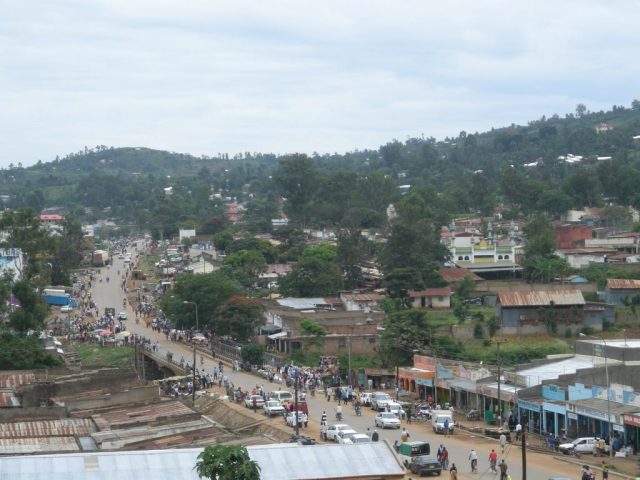
Himarë
Albania · 6 places
Photo: Albinfo, CC BY-SA 4.0
Himarë is one of those rare places in Albania where the mountains and the sea seem locked in a quiet standoff, neither willing to yield. The town clings to a narrow strip of coast, squeezed between the steep slopes of the Albanian Riviera and the shimmering Ionian Sea. There’s no rush here, no sprawling resorts or crowded promenades—just a slow, sun-drenched rhythm of life. Olive groves tumble down to the water’s edge, their silvery leaves rustling in the breeze, while old stone houses perch on the hillsides as if they’ve grown there naturally. In summer, visitors come for the peace and the unpolished charm; in winter, the town shrinks into itself, a sleepy fishing village where the only sounds are the crash of waves and the cry of gulls.
The history of Himarë is one of defiance and resilience. Over the centuries, Byzantines, Venetians, and Ottomans all laid claim to this stretch of coast, but the locals never quite bent to outside rule. Their stubborn independence lingers in the ruins of old fortresses scattered across the hills, and in the quiet churches that dot the landscape, remnants of a long Christian presence. The most striking of these is Himarë Castle, perched high above the town, where the view of the sea and mountains below is so vast it makes the rest of the world feel distant. The past isn’t just preserved here—it’s alive in the stories people tell, in the way the old quarter’s narrow alleys twist and turn, as if still guarding secrets.
The beaches are Himarë’s best-kept secret. There are no endless stretches of sand like in the south, just secluded coves where the water is so clear it’s almost startling. Some are tucked away behind cliffs, reachable only by boat or a winding mountain path. Livadhi Beach is the most famous—a crescent of pebbles framed by pine trees and rock, where you can spend hours without seeing another soul. Closer to town, smaller beaches offer a mix of locals and visitors, their shores lined with tavernas serving grilled fish and crisp white wine. Even in high season, the crowds never feel overwhelming, and the water stays cool and inviting, a perfect escape from the heat.
Life in Himarë moves at a pace set by the sun and the sea. Mornings begin with fishermen heading out in their boats, while the market fills with fresh produce from the hills—tomatoes still warm from the vine, figs so ripe they burst at the touch. By midday, the town quiets down, the heat driving people into the shade of olive trees or down to the water. Evenings bring a gentle revival: lanterns glow along the waterfront, music spills from open-air restaurants, and old men gather on wooden benches to play backgammon. There are no luxury hotels or thumping nightclubs, just the quiet hum of a place where time seems to have settled into its own easy rhythm.
Beyond the town, the surrounding landscape offers plenty of reasons to explore. A short hike into the mountains leads to villages where life hasn’t changed in generations, where stone houses huddle together on steep slopes and the air smells of wild herbs. Boat trips reveal hidden coves and nearby islands, their shores untouched by development. But sometimes the best thing to do is nothing at all—just sit on the beach, listen to the waves, and let the hours slip by. Himarë isn’t a place for grand adventures or crowded attractions. It’s a place for slowing down, for remembering what it’s like to simply be.
See & Do
All of them

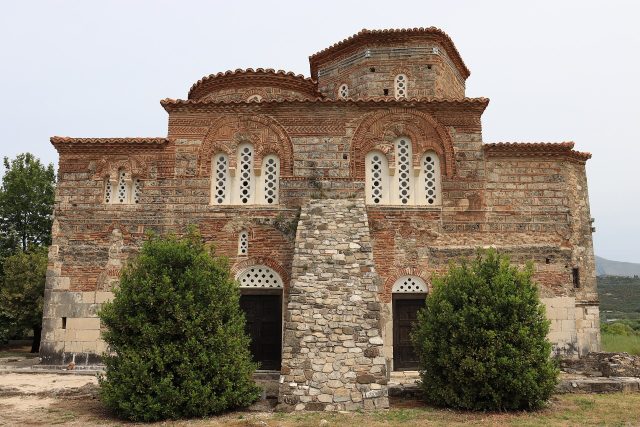

Places on the map
Marker colour follows the categoryClimate and weather
Detailed weather: Himarë- Average temperature
- 19 °C
- Precipitation per year
- 1108 mm
- Sunshine hours per day
- 7.5 h
Average air temperature
°C
10
12
14
16
20
25
28
28
24
20
16
12
Jan
Feb
Mar
Apr
May
Jun
Jul
Aug
Sep
Oct
Nov
Dec