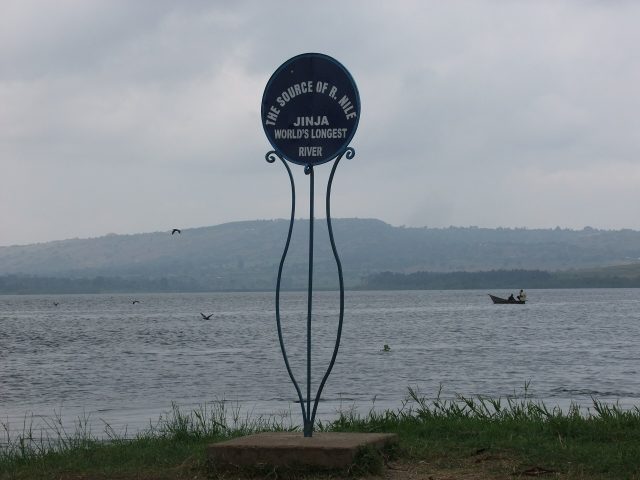
Lake Victoria is one of those rare places where the natural world asserts itself with quiet, unshakable presence. Stretching across the borders of Uganda, Kenya, and Tanzania, it is the second-largest freshwater lake on Earth, a vast expanse of water that shapes the lives of those who live along its shores. In Jinja, a small town on the northern edge of the lake, the rhythm of daily life moves to the cadence of waves and wind. Here, the lake is not just a backdrop but a living entity—part of the landscape, the economy, and the culture in ways that go far beyond postcard imagery. For visitors, it offers a glimpse of East Africa as it has always been: unfiltered, unhurried, and deeply human.
The history of Lake Victoria is as old as the land itself. Millions of years ago, tectonic shifts carved out a depression that slowly filled with water, creating the lake we know today. For centuries, the peoples of the region—particularly the Bantu communities—have relied on its waters for sustenance, trade, and connection. The lake was a crossroads long before European explorers arrived, but their presence left an indelible mark. In the late 19th century, John Hanning Speke identified the lake as the source of the Nile, a discovery that drew global attention to this remote corner of Africa. Today, traces of that colonial era linger in the weathered docks, abandoned warehouses, and crumbling buildings that dot the shoreline. Yet the lake itself remains unchanged, a constant in a region that has seen empires rise and fall.
Jinja, perched at the point where the White Nile begins its journey north, is one of the most striking spots along the lake’s edge. The river here is young, its waters clear and swift as they spill out of the lake and begin their long descent toward the Mediterranean. The shoreline is a mix of sandy beaches and papyrus reeds, backed by low hills covered in savanna. Every morning, fishermen set out in traditional wooden dhows, returning by midday with catches of Nile perch or tilapia. As the sun sets, the shore comes alive with the sounds of life—women grilling fish over open fires, children playing in the shallows, elders sitting in quiet conversation as the light fades over the water. There are no luxury resorts or beachfront bars here, just the simple, unadorned beauty of a place where people and nature coexist as they have for generations.
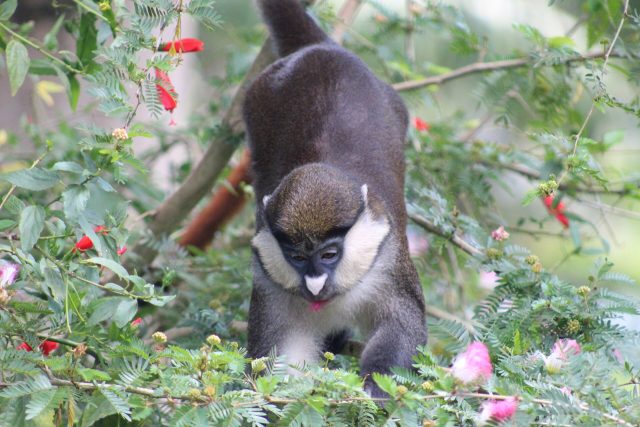
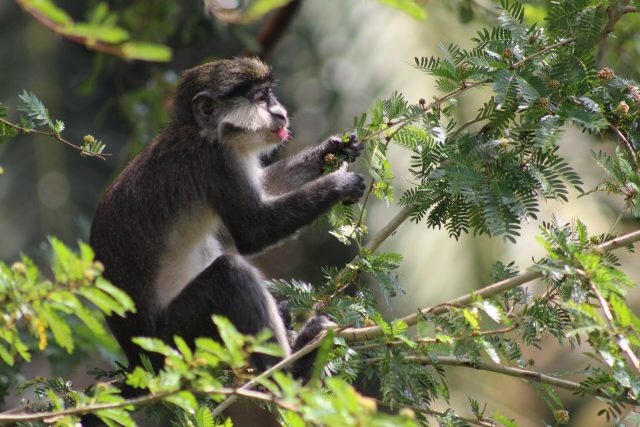
The lake is more than just a body of water; it is an entire ecosystem teeming with life. Over five hundred species of fish call it home, many of them found nowhere else on Earth. The Nile perch, a massive predator that can weigh over two hundred pounds, shares the waters with tiny, brilliantly colored cichlids that dart among the reeds. Along the shores, birds of all kinds—pelicans, kingfishers, fish eagles—nest in the papyrus thickets, while crocodiles lurk in the shallows and hippos emerge at dusk to graze on the grasslands. For those who want to experience this diversity up close, boat safaris offer a chance to glide along the water’s edge, observing the delicate balance of life without disturbing it. The lake’s vastness makes it easy to forget the world beyond its shores, but its fragility is always present.
Jinja itself is a town caught between past and present. Once a key stop on the colonial trade route between Kampala and the lake, it still bears the architectural scars of that era. The old railway station, with its high ceilings and arched windows, stands as a relic of a time when Jinja was part of Britain’s East African empire. Though the trains no longer run, the building remains, a quiet testament to the town’s former importance. The central market is a hive of activity, where vendors sell everything from fresh fish to vibrant kitenge fabrics, and the air is thick with the scent of roasting meat and spices. In the evenings, music spills from open-air bars, blending with the sounds of the lake and the hum of conversation. It’s a place where tradition and modernity coexist, sometimes uneasily, but always with a sense of resilience.
For travelers, Lake Victoria is often more than just a stopover on the way to somewhere else. It is a place where the pace of life slows, where the absence of crowds and commercialism allows for a deeper connection to the land and its people. There are no tourist traps here, no aggressive vendors pushing souvenirs. Instead, there is space—space to sit on the shore and watch fishermen mend their nets, space to take a boat out onto the water and feel the vastness of the lake, space to simply be. The light here is different, softer, especially at dawn and dusk when the sky turns shades of gold and pink. It’s the kind of place that lingers in the memory long after you’ve left, a reminder of what travel can be when it’s stripped of expectations.
Beyond its natural beauty, Lake Victoria is a vital economic lifeline for millions. Fishing is the backbone of the local economy, with daily catches supplying markets in Kampala, Nairobi, and beyond. The lake’s waters also support agriculture, irrigating fields that feed communities across the region. In recent years, tourism has begun to take root, with small guesthouses and lodges offering visitors a chance to experience the lake’s tranquility. The infrastructure is still basic—those accustomed to luxury may find it lacking—but that’s part of the appeal. There’s a rawness to the experience, an authenticity that can’t be replicated in more polished destinations.
Yet the lake faces significant challenges. Pollution, overfishing, and invasive species like the water hyacinth threaten its delicate ecosystem. Efforts to address these issues are underway, but progress is slow, and the clock is ticking. For now, the lake retains much of its wild beauty, but the window to see it in this state may be closing. In Jinja, conservationists and local activists work to raise awareness, sharing stories of the lake’s importance and the steps being taken to protect it. These conversations often leave a lasting impression on visitors, a reminder that even the most vast and enduring natural wonders are not invincible.
Ultimately, Lake Victoria is a place of quiet power. It doesn’t demand attention the way more famous destinations do; instead, it invites you to slow down, to listen, to observe. There’s no need to fill the days with activities or itineraries. Sometimes, the most meaningful moments come from simply sitting on the shore, watching the water lap against the sand, feeling the weight of history and the pulse of life all around. For some, it’s a chance to see Africa as it was before mass tourism. For others, it’s a lesson in how fragile and precious the natural world truly is. And for the people who call it home, the lake is all of these things and more—a source of life, a cultural touchstone, and a reminder of what it means to live in harmony with the land.