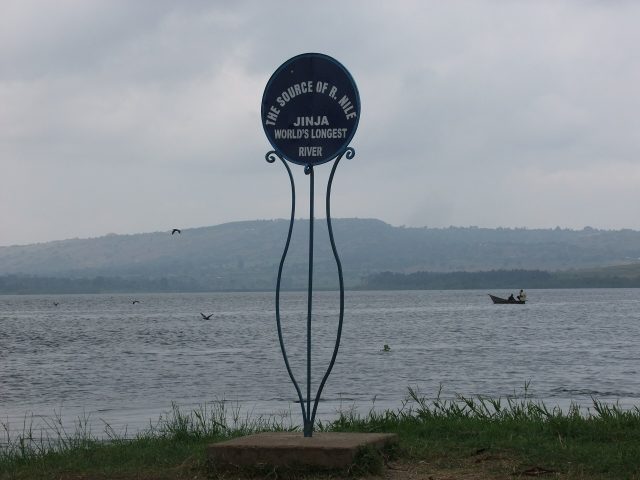
Buvuma Island drifts where Lake Victoria dissolves into the horizon. A quiet corner of Uganda, it feels distant from modern life. The journey here takes hours by boat from Jinja, the shores lapping against waters that stretch endlessly. The air carries the sounds of waves, birds, and the occasional murmur of villagers. No highways, no crowds, no engines—just the slow rhythm of a place where time moves differently.
The island is small but varied. Sandy beaches shift into papyrus thickets, and gentle hills rise under dense forest. The landscape looks untouched, as if the outside world barely reached it.
The island’s people, mostly Basoga, live in scattered villages. They fish, farm, and craft. Men leave in wooden canoes at dawn. Women tend small plots or weave baskets from palm leaves. Children play along the shore or help with chores. Visitors meet quiet curiosity, not fanfare. Those who observe local customs find the welcome warm.
Buvuma’s history ties to the region’s past. During colonial times, it served as a British outpost, a waypoint for trade and control over the lake. Fragments remain—crumbling docks, abandoned buildings—hinting at its role as a hub for fishermen and traders. The waters once teemed with Nile perch and tilapia. Fishing still shapes life here, even as the world beyond changes.
Homes are built from mud, wood, and reeds. Roofs are thatched with palm leaves or patched with corrugated metal. Some houses follow traditional round designs with conical roofs, though brick structures appear more often. Churches and schools stand out, serving as gathering places. No grand monuments exist here, just the quiet dignity of a place that never needed them.
Buvuma has no luxury lodges or souvenir shops. No guided tours or curated experiences. Instead, it offers something rarer: a way of life that has barely changed. You can watch fishermen mend nets in the morning. Wander inland where small farms sit under mango trees. Evenings bring sunsets in deep oranges and purples, the waves the only sound.
Food comes from the land and lake—fresh fish, bananas, cassava, sometimes chicken. Villagers share meals with visitors who show interest. You might learn to grill fish over an open fire. Or sit by a fire as night falls, listening to stories.
Electricity is scarce. Phone signals fade in and out. Villages rely on kerosene lamps and well water. Roads are footpaths. But for those who accept simplicity, the island offers peace. A place to slow down, to live by nature’s rhythms.
Reaching Buvuma takes effort. The only way is by boat from Jinja or other lakeside towns. The trip can take hours, depending on weather and vessel. The dry season is best—calm waters, passable paths. No guarantees, no luxury. But for those who come, Buvuma reveals itself as one of Uganda’s last quiet frontiers. A place where the past lingers, and the present feels unhurried.