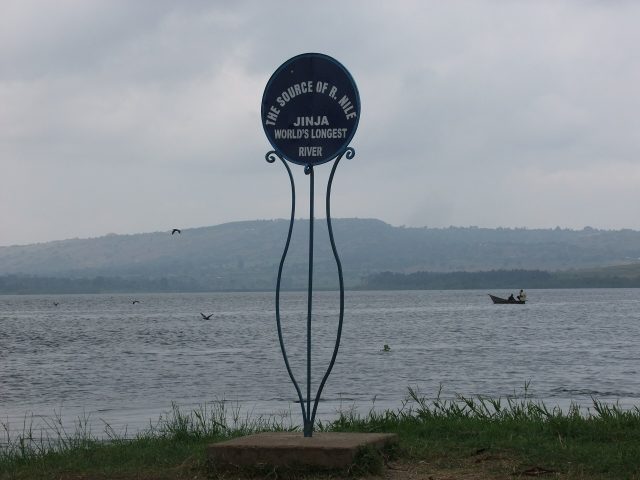
Jinja is often called the heart of Uganda, not just because of its strategic location where trade routes converge, but because it sits at the very source of the Nile. Here, the river begins its long journey north, its waters already powerful and swift as they carve through the landscape. The Owen Falls Dam, built in the mid-20th century, stands as one of the country’s most ambitious engineering feats, reshaping not only the terrain but the economy of the region. Today, it draws engineers, historians, and travelers alike, offering a rare glimpse into how human ingenuity has harnessed one of Africa’s greatest rivers.
Construction began in 1947, when Uganda was still under British rule. The project was part of a broader push to develop hydroelectric power across East Africa, and it took nearly a decade to complete. The dam was named after Sir William Owen Falls, a British engineer whose work was instrumental in its design. When the gates finally closed in 1954, the river’s level rose dramatically, creating Lake Victoria—one of the largest artificial lakes in the world. For local communities, the transformation was profound. Familiar landscapes vanished beneath the water, and entire villages had to be relocated, leaving behind a way of life that had endured for generations.
The dam itself is an imposing structure, stretching nearly 800 meters across the Nile at its narrowest point between the hills. Its concrete walls loom large, especially when standing close enough to feel the force of the water surging through the turbines. Ten generators hum beneath the surface, supplying electricity not just to Uganda but to neighboring countries like Kenya and Tanzania. During the Soviet era, the project became a symbol of cooperation between Africa and the USSR, with equipment and expertise flowing in from both sides. Engineers from different nations worked side by side, turning a vision into reality.
For visitors, the Owen Falls Dam is more than just a marvel of engineering—it’s a place where the sheer scale of human ambition meets the raw power of nature. From the upper viewing platform, the reservoir stretches out like a vast inland sea, its surface dotted with distant islands and fringed by green shores. On clear days, the water appears almost still, but descend to the base of the dam, and the roar of the falls fills the air, mist rising like smoke. It’s easy to see why the ancient Egyptians revered the Nile; here, its force is undeniable.
The area around the dam is quiet but full of life. Fishermen in wooden boats cast their nets for Nile perch, while vendors along the road sell fresh fruit and handmade crafts. Just a short drive away, Jinja offers a taste of local culture—small cafés serve dishes like matoke, steamed green bananas that are a staple of Ugandan cuisine, or fish caught that very morning. The town itself is unassuming, but there’s a sense of energy here, a blend of tradition and modernity that feels uniquely Ugandan. Life moves at a slower pace, much like the Nile did before the dam altered its course.
Yet the dam’s impact hasn’t been without controversy. The rising waters of Lake Victoria flooded fertile land, displacing communities and disrupting ecosystems. Some locals still recall the loss of homes and farmland, while fishermen had to adapt to the new conditions. At the same time, the dam spurred development in the region. Reliable electricity brought new industries to Jinja, turning it into one of Uganda’s key industrial hubs. The balance between progress and preservation remains a delicate one, a tension that’s still felt today.
For many Ugandans, the Owen Falls Dam is more than just a power source—it’s a symbol of national pride. It represents a time when the country, still finding its footing after colonial rule, took on a massive project and succeeded. In recent years, guided tours have begun to tell this story, explaining not just how the dam works but how it changed lives. Visitors can learn about the challenges of construction, the engineering behind the turbines, and the ways the region has evolved over the decades.
If you find yourself in Jinja, the dam is worth a visit. It’s not just a landmark but a place where history, nature, and modernity intersect in unexpected ways. Standing on the viewing platform, you can feel the pulse of the country—the way people have shaped the land, and how the land, in turn, has shaped them. As the sun sets over the reservoir and the dam’s lights flicker to life, it’s clear why this place holds such significance. It’s a reminder that even in a part of the world often overlooked by travelers, there are stories worth discovering.