
Jinja
Uganda · 8 places
Photo: Ina96, CC BY-SA 3.0
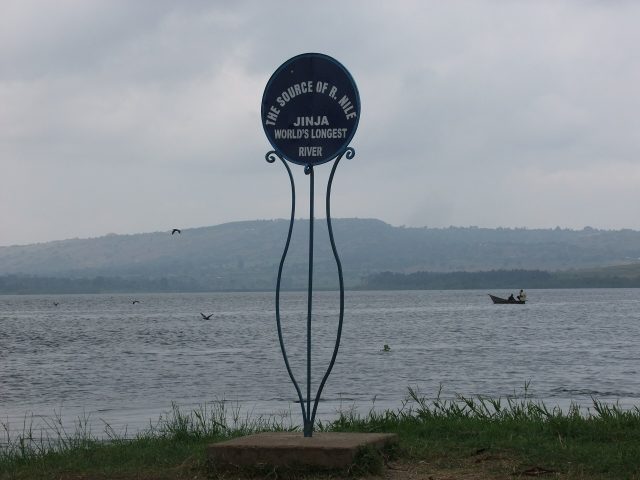
Jinja sits where the Nile begins its long journey north, bursting out of Lake Victoria in a rush of white water and spray. The river here is still young, untamed, its rapids cutting through the landscape before widening into the vastness of the lake. The town itself sprawls across gentle hills, surrounded by fields of sugarcane that ripple in the wind, their sweet scent mixing with the earthy aroma of coffee and the sharp tang of fresh fish pulled from the lake each morning.
This was once a crossroads for traders—Arab caravans moving goods inland, British engineers laying down tracks for the railway that would connect the interior to the coast. The remnants of that era still linger in the rusted warehouses and crumbling colonial buildings, their peeling facades softened by time. But Jinja hasn’t frozen in the past. New neighborhoods rise on the outskirts, motorbike taxis weave through traffic, and trucks loaded with bananas rumble down dusty roads. The town moves at its own pace, neither fast nor slow, just steady.
The Nile is what draws most people here. A short drive from the center, the river narrows into a series of rapids where rafters test their luck against the churning water. For those who prefer calmer waters, the lake offers a different kind of escape—fishermen mending nets in the shallows, birds darting through papyrus reeds, the quiet rhythm of a boat cutting through the evening light. As night falls, the bars along the waterfront come alive with music, the smell of grilled Nile perch drifting through the air, and the clink of bottles as locals and visitors alike settle in for the evening.
Jinja doesn’t try to be anything other than itself. In one café, you might find a perfectly pulled espresso and avocado toast, while just down the street, blacksmiths hammer out hoes and women weave baskets from palm leaves. The markets are a tangle of colors and sounds—spices piled high, bolts of fabric unfurled, bicycle parts scattered across tables. You can pick up a *gomesi*, the traditional dress worn by Ugandan women, or simply watch as vendors haggle over prices, their voices rising and falling in the heat of the day.
There’s no grand spectacle here, no polished tourist experience. What you get instead is something rarer—a place that feels lived in, where the rhythm of daily life hasn’t been smoothed out for visitors. The Nile flows on, the town carries on, and if you’re lucky, you might just find yourself slipping into its unhurried current.
See & Do
All of them
Places on the map
Marker colour follows the categoryClimate and weather
Detailed weather: Jinja- Average temperature
- 22 °C
- Precipitation per year
- 1639 mm
Average air temperature
°C
22
23
23
22
22
21
21
21
21
22
22
22
Jan
Feb
Mar
Apr
May
Jun
Jul
Aug
Sep
Oct
Nov
Dec


