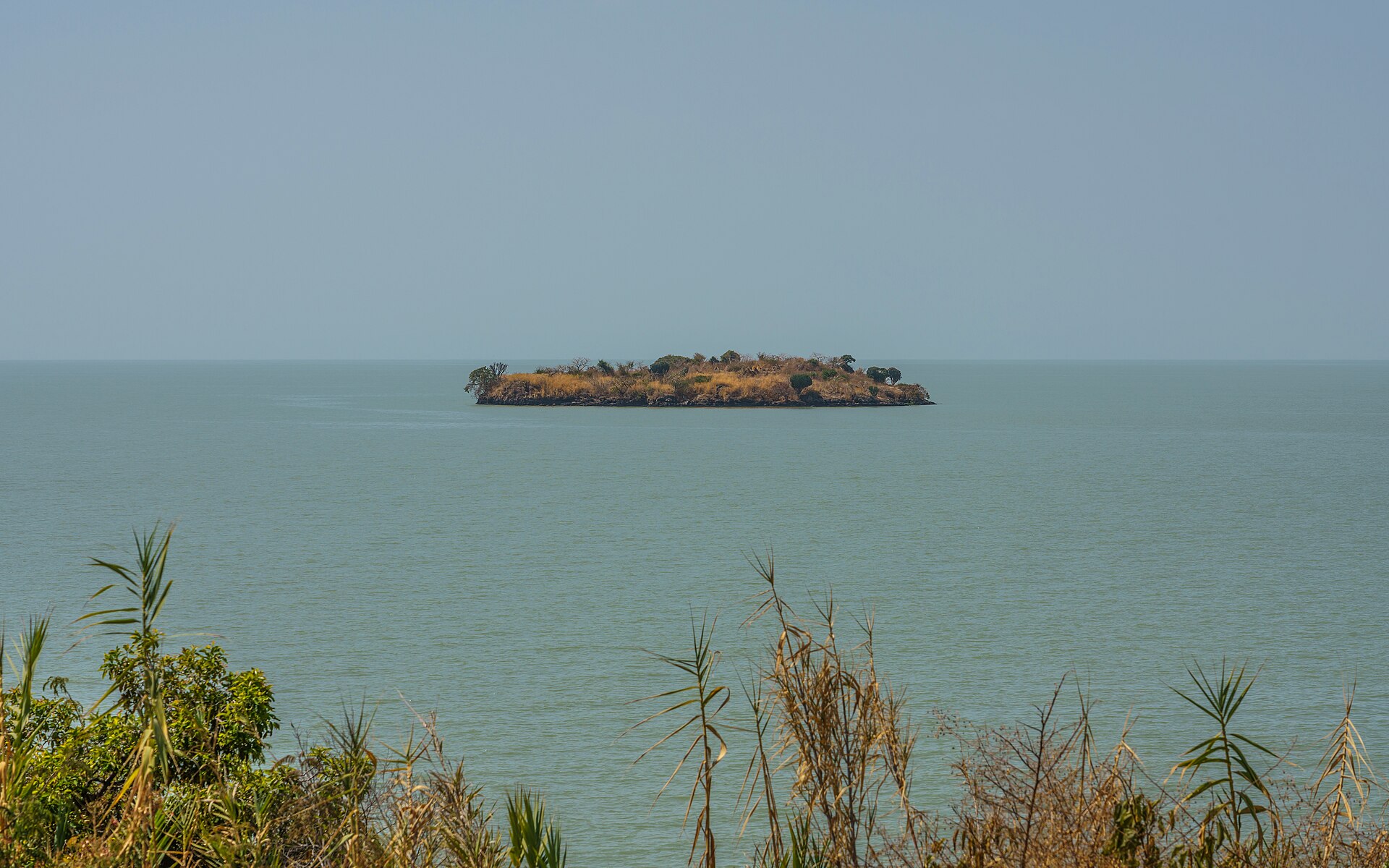
Lake Tana
Lake Tana is Ethiopia’s largest lake, stretching across the highlands near Bahir Dar. It shapes life here—not just by its size, but by the way its waters feed the Blue Nile and sustain those who live along its shores. Rivers from the surrounding hills fill the lake, and its currents eventually join one of Africa’s great rivers. For centuries, this place has been a crossroads where fishermen cast nets at dawn and monks pray in island monasteries.
The lake has islands—some are bare rock, others hold monasteries built hundreds of years ago. These are among Ethiopia’s oldest, founded when Christianity first took root in the region. Many date to the 14th and 15th centuries, during the Ethiopian Empire, and they preserve manuscripts, artifacts, and stories of the country’s religious past. Ura Kidane Mehret is the most well-known, its circular walls covered in frescoes of saints, biblical scenes, and Ethiopian kings. The paintings mix local traditions with Byzantine, Coptic, and Indian influences.
To reach the monasteries, you take a boat from Bahir Dar. The trip can last half an hour or several, depending on the island. The water is calm, often reflecting the sky, and the shoreline shifts from papyrus reeds to villages where life has changed little over generations. Fishermen in tankwas—lightweight boats made from papyrus—move across the surface. The lake has Nile perch and tilapia, fish that end up in local markets and on dinner tables.
The monasteries are still active. Monks live in some, caring for the churches and preserving centuries-old manuscripts. Visitors are welcome, but the mood is quiet. The churches are simple—round buildings with thatched roofs—but inside, color and symbolism fill the walls. Frescoes, some fading, show biblical scenes and Ethiopian saints like Tekle Haymanot, who stood on one leg for seven years in penance. The art shows how deeply faith is part of life here.
Nature and human life meet at Lake Tana. The lake is home to African fish eagles, pelicans, and kingfishers. Papyrus swamps along the shore shelter hippos, though they’re rarely seen by day. The land around the lake is farmland, where teff, maize, and coffee grow. The coffee is strong, often roasted fresh and served with popcorn or bread.
The lake is practical for those nearby. It provides water, food, and transport. Small boats move people and goods between islands and the mainland. Larger vessels connect Bahir Dar to the lake. The city is a mix of old and new—wide streets, a university, and a market where women carry baskets of fruit on their heads and men lead donkeys with firewood. The lake’s rhythm sets the pace.
Lake Tana has changed little over time. The monasteries, the fishing boats, the way of life—all feel unchanged. There are no resorts or tourist traps, just a place that has endured wars, droughts, and empires. It has seen kings, pilgrims, traders, and monks pass through, leaving only faint traces.
If you visit, you can sit by the water at sunset or take a boat to an island monastery. The air smells of coffee, and birds call from the reeds. The waves lap gently. It’s not a place for excitement, but for those who want to see Ethiopia’s faith, resilience, and quiet strength.