The Blue Nile Falls, known locally as Tis Issat, is one of Ethiopia’s most dramatic natural landmarks. Located about 30 kilometers downstream from the city of Bahir Dar, where the Blue Nile begins its long journey from Lake Tana, the falls are a powerful reminder of the river’s force. The water plunges over a sheer cliff in a series of cascades, creating a mist that hangs in the air like a veil. On sunny days, rainbows often shimmer in the spray, adding a fleeting touch of color to the scene. The falls are at their most impressive during the rainy season, when the river swells and the roar of the water can be heard long before the viewpoint comes into sight.
The name Tis Issat translates to "smoking water," a fitting description for the way the falls appear from a distance—like a column of smoke rising from the gorge. The surrounding landscape is rugged and wild, with steep cliffs and patches of dense vegetation clinging to the rocks. The area has long been a place of significance for the local people, not just for its natural beauty but also for its role in the region’s history. The Blue Nile has been a lifeline for centuries, sustaining agriculture and trade along its banks, and the falls themselves have been both a barrier and a spectacle for those traveling the river.
Getting to the falls involves a short journey from Bahir Dar, first by road and then by boat across Lake Tana. The boat ride offers a chance to see the lake’s tranquil waters and the traditional papyrus boats that have been used here for generations. Once on the eastern shore, a walk through small villages and farmland leads to the falls. The path is well-trodden but uneven, winding past fields of maize and coffee, with the occasional glimpse of the river below. The final approach is steep, and the sound of rushing water grows louder with each step.
The falls have changed over time, shaped by both nature and human intervention. In the 1960s, a hydroelectric dam was built upstream, which altered the flow of water and, at times, reduced the falls to a trickle. While the dam provides much-needed electricity to the region, it also means that the full force of Tis Issat is no longer a constant sight. During the dry season, the falls can be little more than a series of small streams, though the rocks and the gorge remain impressive. When the rains return, the water surges back, reclaiming the landscape with a raw, untamed energy.
For those who visit, the falls offer more than just a visual spectacle. The air is thick with the scent of damp earth and vegetation, and the sound of the water is a steady, almost hypnotic presence. Nearby, local vendors sell handwoven baskets and fresh fruit, adding a touch of everyday life to the scene. The area around the falls is also home to a small community of monks, who live in cliffside monasteries that date back centuries. These monasteries, though not always open to visitors, are a reminder of the spiritual significance the Blue Nile has held for generations.
The Blue Nile itself is a river of contradictions—gentle in some places, fierce in others. It begins as a calm outflow from Lake Tana, winding through the Ethiopian highlands before gathering speed and volume. By the time it reaches the falls, it has already traveled hundreds of kilometers, carrying with it the stories of the land it passes through. The river eventually merges with the White Nile in Sudan, forming the Nile proper, which has shaped the history of civilizations for millennia. Standing at Tis Issat, it’s easy to feel the weight of that history, the way the river connects distant places and peoples.
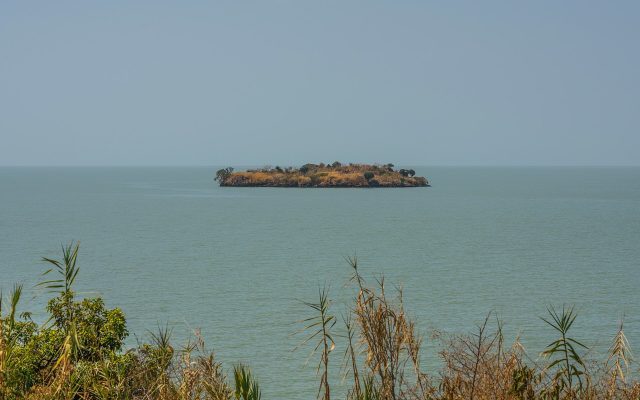
The falls are not just a destination but a pause in a longer journey. Many travelers come here as part of a broader exploration of the region, combining a visit to the falls with time spent on Lake Tana or in the nearby Simien Mountains. The lake itself is dotted with islands and peninsulas, some of which are home to ancient monasteries filled with religious art and manuscripts. The contrast between the serene waters of the lake and the raw power of the falls is striking, a reminder of the diversity of Ethiopia’s landscapes.
Visiting Tis Issat is a reminder of how nature and human history intertwine. The falls have witnessed the rise and fall of empires, the flow of trade, and the daily lives of countless generations. Today, they stand as a testament to the enduring power of the Blue Nile, a river that has shaped not just the land but the culture and identity of the people who live along its banks. Whether seen in full flood or as a quiet trickle, the falls leave an impression that lingers long after the journey home.