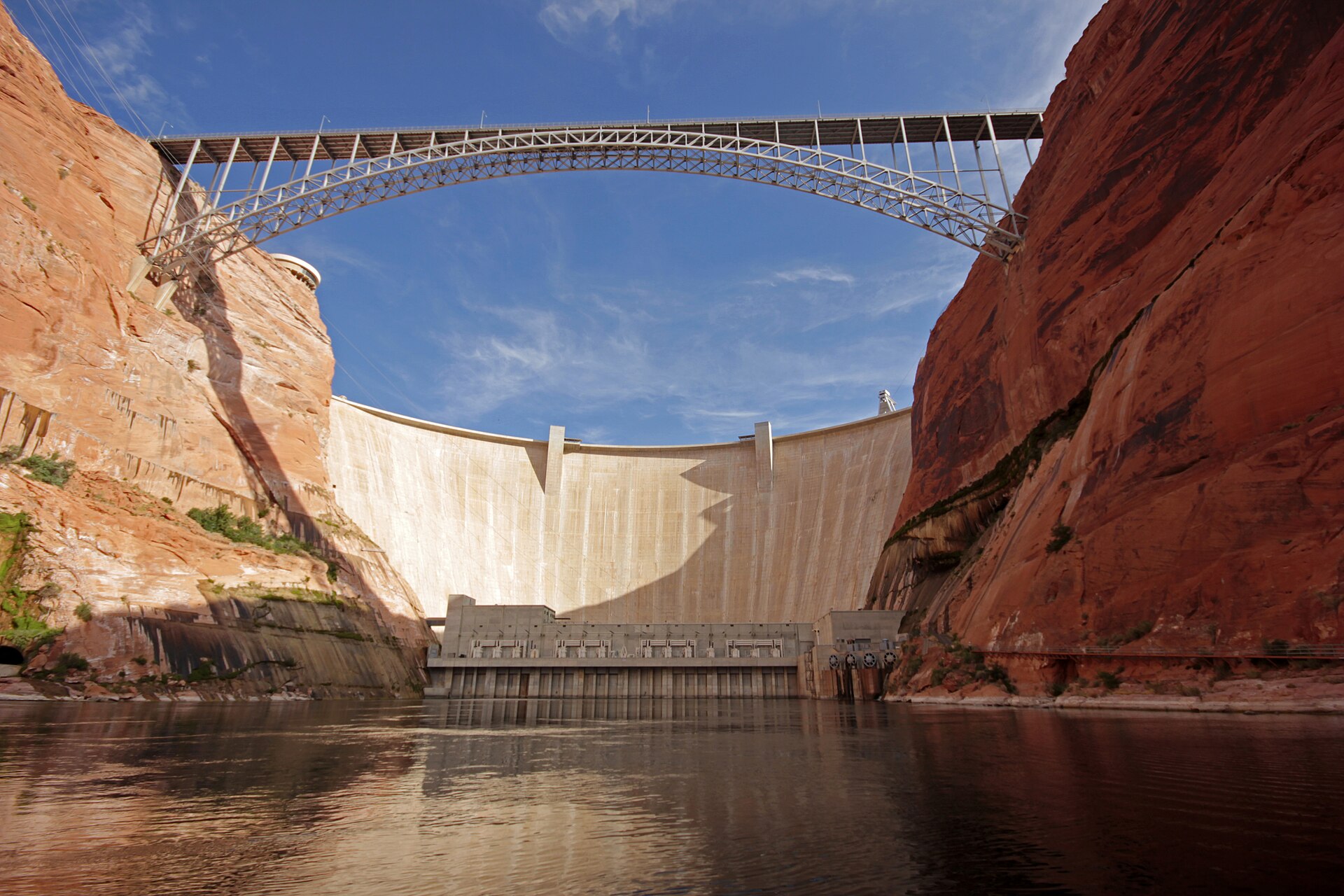
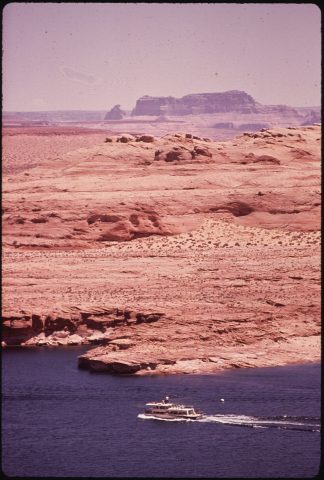
The Glen Canyon Bridge feels like something out of a dream until you stand on it yourself. Stretching more than two hundred meters above the Colorado River, it connects the rugged cliffs of the canyon, where layers of red rock plunge deep into the earth. This isn’t just a bridge—it’s a piece of the American West’s history, a testament to how people tamed some of the country’s most remote and unforgiving landscapes. Built in the late 1950s, it became a vital link between Arizona and Utah, and today it remains one of the most striking landmarks along the border of these two states.
The bridge was part of a much larger project: the construction of the Glen Canyon Dam, which was meant to harness the Colorado River’s power and provide water and electricity to the Southwest. Work began in 1956, and within three years, the bridge was complete. For its time, it was an engineering marvel—a narrow, two-lane road suspended by steel cables anchored to massive concrete towers. The builders faced extreme temperatures, relentless winds, and the sheer challenge of working in such a harsh environment. Yet the result was a structure that not only stood the test of time but also became one of the most photographed bridges in the country.
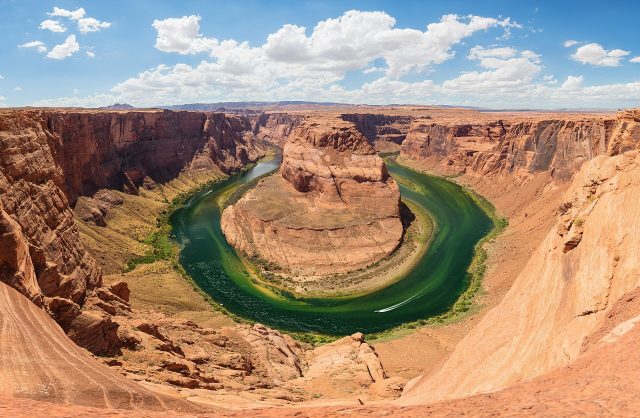
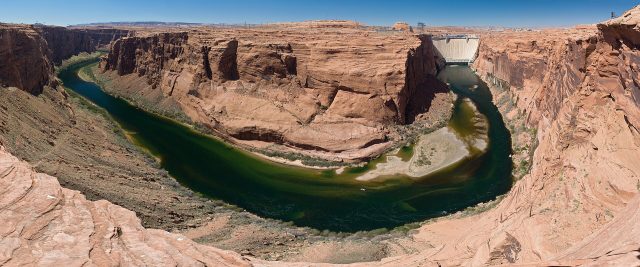
Today, Highway 89 runs across the bridge, carrying travelers toward Grand Canyon National Park and other natural wonders of the region. Thousands of vehicles cross it every day, but for many, it’s more than just a stretch of road. It’s a place to stop, lean against the railing, and take in the vastness of the canyon. From here, the river winds through the rocks below, and distant mountain ranges fade into the haze. The view is especially breathtaking at sunset, when the cliffs glow in shades of gold and deep red, and the shadows stretch long across the landscape.
What makes the Glen Canyon Bridge unusual is how seamlessly it fits into the scenery. Unlike many man-made structures that dominate the landscape, this one feels like a natural extension of it. The bridge doesn’t compete with the grandeur of the canyon—it enhances it. That’s why photographers and artists are drawn to it, capturing its silhouette against the changing light of dawn, dusk, and every hour in between. In winter, a dusting of snow makes the red rocks stand out even more, while summer brings crowds of visitors eager to snap a photo or simply soak in the view.
For the people who live nearby, the bridge is more than a tourist attraction—it’s part of daily life. It connects small towns and communities on either side of the canyon, making travel between Arizona and Utah far easier than it once was. In Page, the closest town, the bridge serves as a landmark, a sign that you’re on the edge of something vast and unexplored. It’s the gateway to Lake Powell, one of the largest artificial reservoirs in the U.S., and to countless trails that lead deeper into the canyon.
The bridge hasn’t always looked exactly as it does now. In the early 2000s, it underwent renovations to strengthen its structure and widen the roadway to handle increased traffic. Yet the original design was preserved, ensuring that its historical character remained intact. Today, it looks much as it did when it first opened, though the road surface is smoother and the railings sturdier.
Walking across the bridge is a different experience entirely. There are no sidewalks, just narrow shoulders where you can step carefully if you’re brave enough. The wind is almost constant, and at times it feels like it might sweep you right off the edge. But that’s part of what makes the walk unforgettable—the sense of height, the vastness of the canyon, the way the bridge seems to float above the river. Not everyone makes it all the way across, but even a few steps are enough to appreciate the scale of the structure.
The Glen Canyon Bridge is more than just a way to cross the river. It’s where human ingenuity meets the raw power of nature. It reminds you how small we are in the face of the elements, yet also how capable we are of overcoming them. Standing here, it’s easy to lose track of time, watching the river curve through the rocks below and listening to the wind rush through the canyon. Maybe that’s why people keep coming back—not just as a stop on a journey, but as a place to feel connected to something greater.