Lake Burley Griffin isn’t the kind of place you stumble upon by accident. It sits at the heart of Canberra, a city that was itself carefully planned, and the lake was always meant to be more than just water—it was designed to hold the capital together. When Australia decided to build a new administrative centre in the early 1900s, the competition between Sydney and Melbourne was fierce. Canberra won, not because it was already a thriving city, but because it could be shaped from scratch. The American architect Walter Burley Griffin won the international competition to design it, envisioning a city where water would be the unifying force. His original plan was ambitious, almost utopian, with the lake as its centrepiece. Construction didn’t begin until the 1960s, long after Griffin’s death, but the lake still bears his name, a quiet tribute to the man who imagined it.
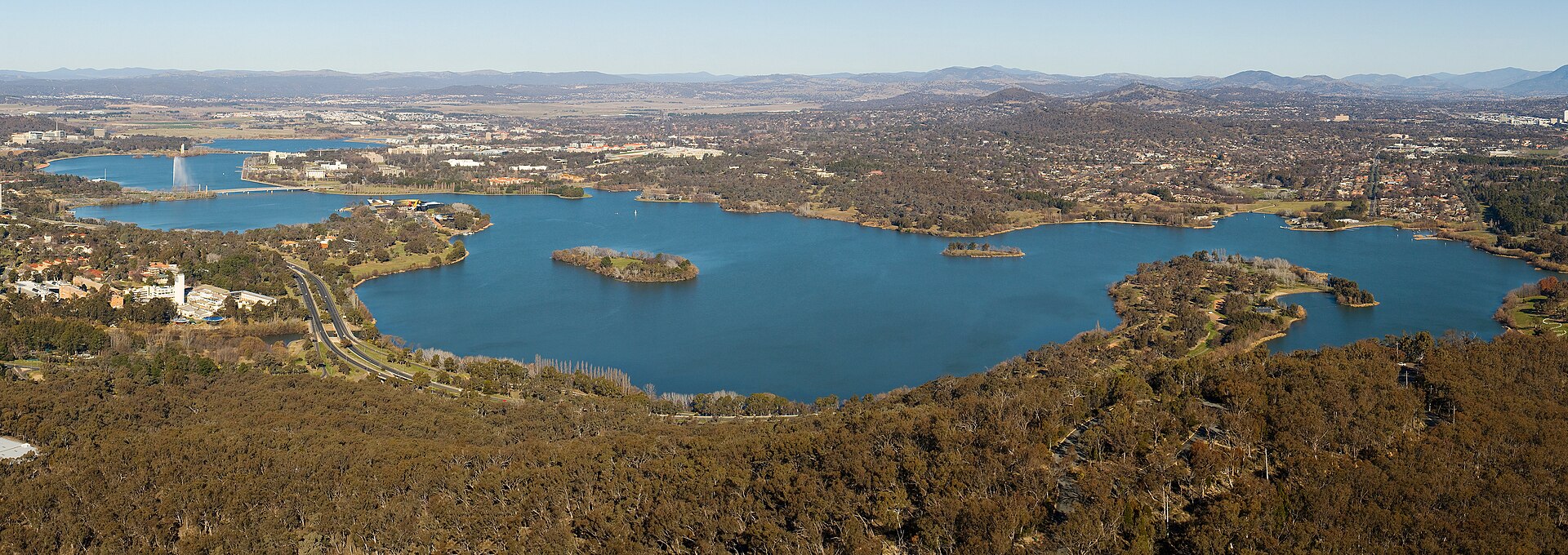
Today, the lake is far more than a decorative feature. Stretching across seven square kilometres, it divides the city’s business district from its residential areas, acting as both a boundary and a bridge. The shoreline is lined with parks, cycling paths, and walking trails, making it a natural gathering place for locals. On weekends, you’ll see families picnicking under the trees, kayakers gliding across the water, and joggers circling the lake at all hours. In summer, sailboats dot the surface, while in winter, the occasional black swan or migratory duck appears, a rare sight in much of Australia. The water is clean, fed by the Molonglo River, though swimming isn’t encouraged—the lake’s purpose is more about reflection than recreation.
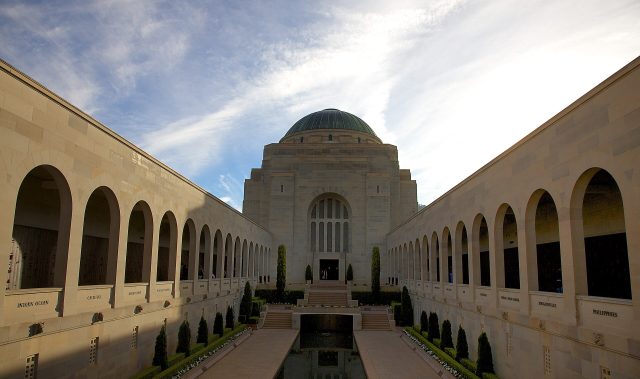
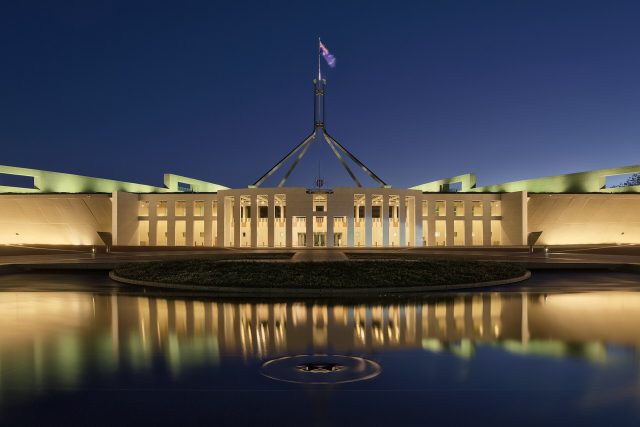
The buildings around the lake tell the story of Canberra’s growth. On the northern shore, Parliament House rises from the water’s edge, its low, sweeping design made of sandstone and glass. At dusk, the building’s flagpole is illuminated, a beacon visible from across the lake. Nearby, the National Gallery of Australia stands in sharp contrast, its angular modern lines a counterpoint to the classical government architecture. On the opposite shore, the National Library and High Court anchor the city’s intellectual and legal heart, while further along, the Australian War Memorial perches on a hill, a solemn reminder of the country’s past. These structures weren’t built all at once—they emerged over decades, each adding a layer to the city’s identity.
The lake is at its most striking in the early evening, when the lights of the buildings shimmer on the water and the sky turns shades of pink and gold. This is when Canberra feels most alive. Locals come here to unwind—some run along the foreshore, others sit on benches with coffee or a book, and a few simply watch the sunset. In summer, the lake becomes a stage for open-air concerts and festivals, the air filled with music and laughter. Winter brings a different mood: the water darkens, the trees shed their leaves, and the crowds thin out. Yet there’s a quiet beauty in the stillness, a sense of space that’s hard to find in bigger cities.
Canberra wasn’t always loved. For years, it was dismissed as a sterile, artificial creation—a city imposed on the country by politicians. Compared to Sydney’s harbour or Melbourne’s laneways, it seemed dull, even soulless. But over time, the city found its rhythm, and Lake Burley Griffin became its defining feature. It gave Canberra a focal point, a place where people could gather, relax, and connect. Today, it’s hard to imagine the city without it. The lake didn’t just fill a gap in the landscape; it filled a gap in the city’s identity, proving that even the most carefully planned places can develop a life of their own.
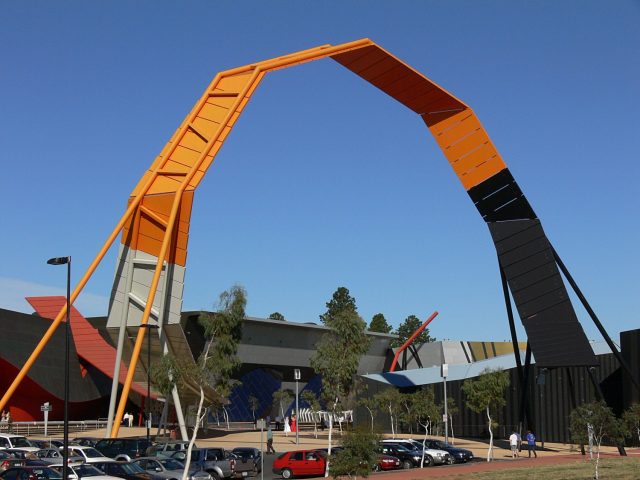
There are a few spots around the lake worth seeking out. Captain Cook Memorial Jet, one of the tallest fountains in Australia, shoots water 140 metres into the air when it’s running, a dramatic sight against the skyline. Nearby, Aspen Island is a small, peaceful retreat, home to native plants and birds. On the eastern shore, the Australian National Botanic Gardens showcase the country’s diverse flora, while on the western side, the National Museum of Australia’s striking, fragmented design houses exhibits that trace the continent’s history from ancient times to the present. The museum’s collections often surprise visitors, revealing stories about Australia that even locals might not know.
What makes the lake special is how it balances Canberra’s different sides. On one hand, it’s surrounded by the trappings of government—parliament, memorials, official buildings—all the things that make the city a capital. On the other, it’s where you’ll find the city’s everyday life: runners in tracksuits, children feeding ducks, artists sketching the view. The water softens the edges, making the city feel more approachable. It’s a reminder that even in a place built to a blueprint, there’s room for spontaneity.
If you visit Canberra, the lake is a good place to start. From here, you can easily reach the city’s main attractions, and in the evenings, it’s a pleasant spot to return to—whether for a walk along the foreshore or a quiet drink at a café with a view. Canberra isn’t a city of loud nightlife or crowded streets, but that’s part of its appeal. It offers something rarer: space to breathe, time to think, and a sense of calm. Lake Burley Griffin is where you’ll find all of that, wrapped in the quiet rhythm of the water.