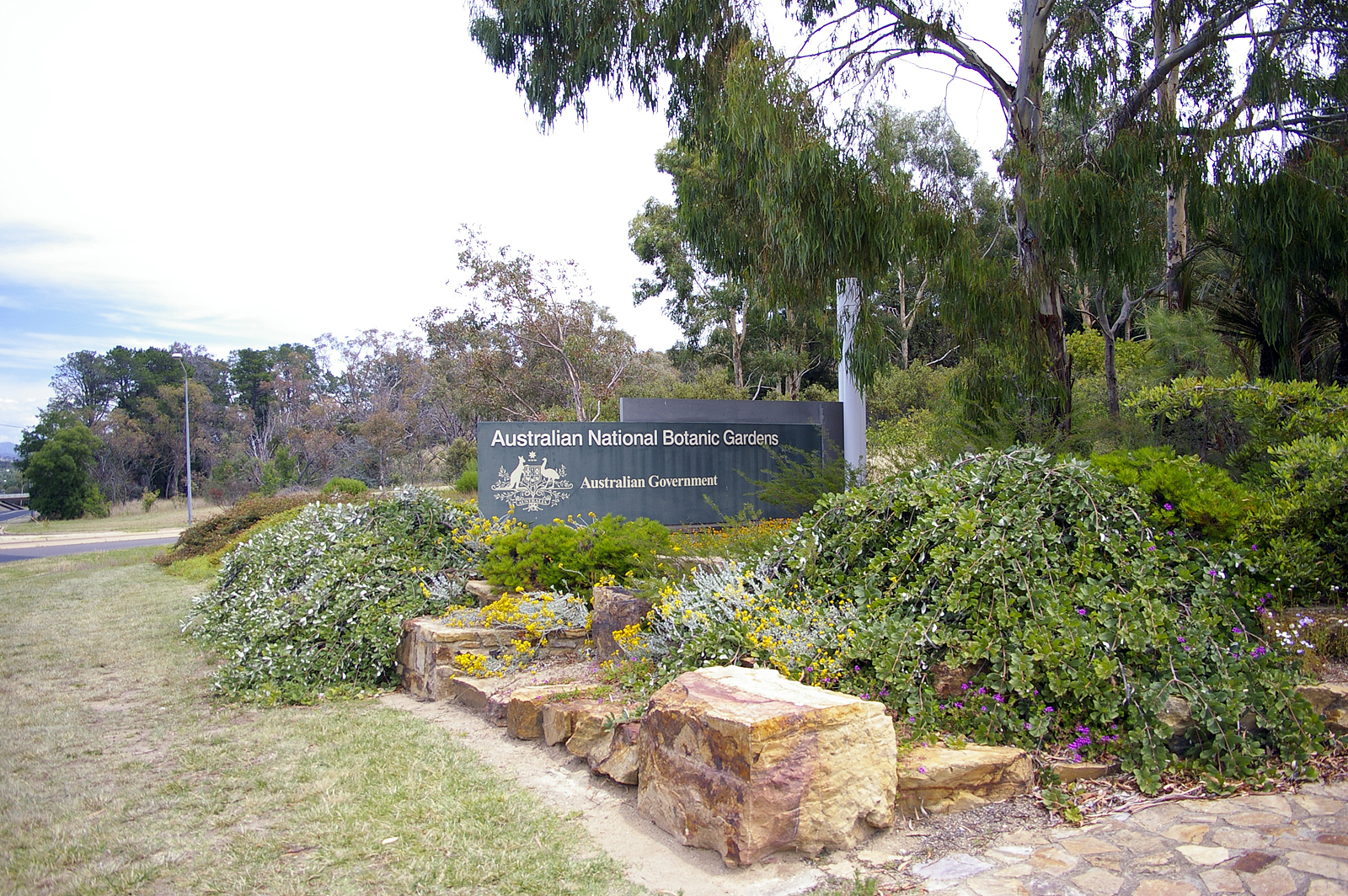
Canberra doesn’t always reveal itself as a city with soul—not at first, anyway. It lacks the bustling harbours of Sydney or the golden beaches of the Gold Coast, but what it does have is quiet, space, and pockets of nature that feel untouched. The Australian National Botanic Gardens is one of those places. Spread across the gentle slopes of Black Mountain, it exists almost as a living archive of the continent’s extraordinary plant life, a place where the diversity of Australia’s flora isn’t just preserved but allowed to thrive.
The gardens weren’t an afterthought. When Canberra was still evolving from a small settlement into the nation’s capital in the mid-20th century, the idea took root to create a space dedicated to Australia’s native plants—a place where they could be studied, protected, and celebrated. Work began in 1949, though the first plantings didn’t happen until the late 1960s. Today, the gardens hold over six thousand species, the largest collection of Australian flora in the world. Yet it never feels like a static display. The landscape shifts with the seasons, with new blooms and growth patterns emerging year after year, keeping even repeat visitors surprised.
Walking through the gardens, it’s easy to forget you’re in a capital city. Narrow paths wind between stands of eucalyptus, acacia, and banksia, dipping into cool shade before opening onto sunlit clearings. One of the most striking sections is the rainforest gully, where a glasshouse recreates the humid climate of northern Queensland. Ferns tower overhead, some stretching several metres high, while orchids bloom in near-perpetual cycles. Elsewhere, rare species from Tasmania’s alpine regions or the arid heart of the continent grow side by side, as if the gardens have condensed the country’s vast climatic zones into a single, walkable experience.
A particularly meaningful part of the gardens is the Aboriginal Plant Use Trail. Here, the focus isn’t just on aesthetics but on the deep relationship between Indigenous Australians and the land. Plants like the bottle tree, whose swollen trunks once provided water in droughts, or native grasses used for weaving baskets, are grown alongside interpretive signs explaining their traditional uses. It’s a quiet but powerful reminder of how these plants sustained people for tens of thousands of years, long before European settlement. The trail doesn’t just showcase flora—it tells a story of survival, ingenuity, and connection.
Beyond its role as a public space, the gardens are also a hub for scientific research. Botanists here study everything from the conservation of endangered species to how native plants might adapt to climate change. Greenhouses host experiments on propagation techniques for threatened flora, while public workshops offer practical advice on growing Australian natives in home gardens. The bonsai displays, featuring miniature eucalypts and casuarinas, are a particular draw, showing how even the continent’s towering giants can be cultivated in delicate, artistic forms.
Time moves differently in the gardens. There’s no rush, no agenda—just the slow rhythm of nature. Benches tucked beneath the trees offer spots to sit and watch the wildlife. Crimson rosellas dart between branches, sulphur-crested cockatoos squawk overhead, and tiny honeyeaters flit from flower to flower like living jewels. Occasionally, a wallaby might hop across a path, unperturbed by human presence. Spring is the most vibrant season, when wattles burst into yellow, banksias blush pink, and tea trees bloom in creamy white clusters. Summer, by contrast, is a time to seek refuge in the cool shade of the eucalyptus groves, where the air is thick with the scent of crushed leaves.
From the higher slopes of Black Mountain, the gardens offer a sweeping view of Canberra below. The city’s geometric layout, its wide boulevards and the distant Parliament House, all appear orderly and precise. But turn back toward the gardens, and the perspective shifts. Here, the focus isn’t on human design but on the natural world—on the resilience of plants that have adapted to fire, drought, and poor soils. There are no palm trees or showy tropical blooms, nothing that might feel out of place in a tourist brochure. Instead, there’s the quiet beauty of what makes Australia unique: the spiky grevilleas, the peeling bark of gum trees, the flowers that only open after a bushfire.
The Australian National Botanic Gardens isn’t just a collection of plants. It’s a place that explains, in its own understated way, why Australia is the way it is. The gardens don’t rely on spectacle; they don’t need to. What they offer instead is a deeper understanding of the continent’s ecology, its history, and the delicate balance that has shaped its landscapes. For botanists, it’s an invaluable resource. For everyone else, it’s a chance to step away from the usual tourist trail and experience something far more authentic—the quiet, enduring spirit of the land itself.