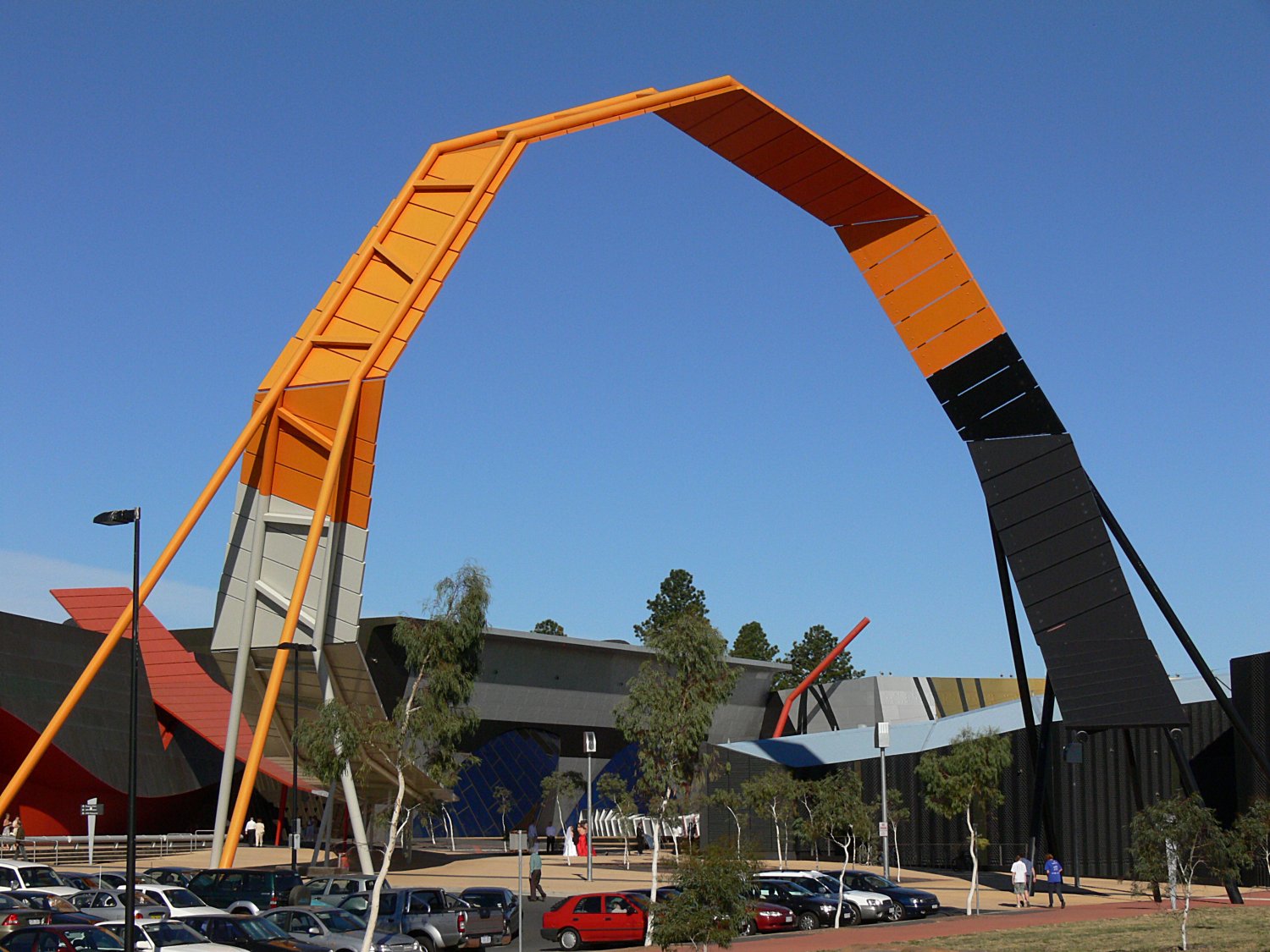
The National Museum of Australia isn’t just a place to see relics behind glass—it’s where the country’s past feels alive, told through unexpected details, personal stories, and architecture that refuses to blend into the background. Perched on the edge of Lake Burley Griffin in Canberra, the building itself is hard to ignore. Its bold, winding forms and bursts of color make it look more like a contemporary art installation than a traditional museum. Inside, there are no rigid corridors or predictable layouts. Instead, open spaces, interactive displays, and shifting perspectives invite visitors to engage with history in a way that feels immediate, even personal.
The museum opened in 2001, but its origins stretch back much further. The idea of a national institution to preserve Australia’s collective memory took root in the early 1900s, when the young federation was still defining itself. It took nearly a century for that vision to materialize, and even then, the result wasn’t a conventional archive of dates and artifacts. The museum’s approach is deliberately fragmented, mirroring the messy, overlapping narratives that have shaped the country. There’s no single timeline here because Australian history isn’t just a sequence of events—it’s a collision of cultures, a series of compromises, and a story still being written.
What makes the museum compelling is its focus on people, not just objects. Exhibits don’t just display items; they give them voices. In the galleries dedicated to Aboriginal and Torres Strait Islander cultures, you won’t only see tools or ceremonial objects—you’ll hear recordings of elders sharing stories about the land, their traditions, and the challenges their communities have faced. The effect is immersive, as if the past isn’t something distant but something you’re stepping into. The museum doesn’t offer easy conclusions. Instead, it presents layers of experience and leaves visitors to grapple with what it means to be Australian, both then and now.
The architecture reinforces this idea of complexity. Designed to reflect the many threads of Australia’s story, the building is full of symbolic touches. The central atrium, for instance, evokes the lakes where Indigenous groups once gathered, while the vibrant ribbons of color on the exterior nod to the country’s cultural diversity. Inside, the space isn’t organized by era or theme but by broader concepts—land, nation, people, technology. This approach highlights connections that might otherwise go unnoticed, showing how different periods and cultures have influenced one another in ways that aren’t always obvious.
The galleries dedicated to Aboriginal and Torres Strait Islander histories are among the most powerful. They don’t just present artifacts; they try to convey a worldview that existed long before European arrival. Ancient rock art, hunting tools, and contemporary Indigenous artworks sit side by side, offering a perspective that’s both ancient and ongoing. The museum doesn’t shy away from difficult chapters, like colonization or the forced assimilation policies that disrupted communities. But it doesn’t reduce these stories to tragedy, either. Instead, it presents them as part of a larger, evolving narrative—one that includes resilience, adaptation, and the ongoing struggle for recognition.
For those more interested in modern history, the museum covers everything from the gold rushes to urban development, immigration, and scientific breakthroughs. You can see the first cars imported to Australia, the rough clothing of early settlers, or the tools used by prospectors during the gold fever. One of the more unexpected sections focuses on sport, a cornerstone of Australian identity. Exhibits on cricket, rugby, sailing, and surfing show how these activities have shaped the country’s culture, from backyard games to international competitions.
The museum isn’t stuck in the past. It actively engages with contemporary issues, hosting temporary exhibitions on topics like climate change, social movements, and technological innovation. Recent displays have explored Australia’s role in space exploration and the fight for Indigenous rights. These shows don’t just inform—they provoke discussion, encouraging visitors to think critically about the country’s present and future. The museum isn’t afraid to tackle contentious subjects, and it doesn’t present history as something fixed. Instead, it invites people to question, debate, and see themselves as part of an ongoing story.
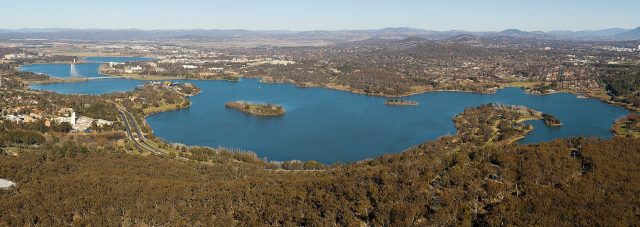
Beyond the exhibits, the museum’s setting is worth exploring. Lake Burley Griffin is one of Canberra’s most scenic spots, and a walk along its shores can be a quiet counterpoint to the museum’s energy. The area is dotted with memorials and public art, and on clear days, the views of the water and surrounding hills are striking. Many visitors rent bikes to circle the lake, turning a museum trip into a broader experience of the city.
The National Museum of Australia isn’t the kind of place you visit once and check off a list. It’s a space that lingers in your mind, challenging assumptions and sparking curiosity. There are no neat conclusions here, just a series of questions that make you reconsider what Australia is—or what it could be. That’s why it’s more than a museum. It’s a conversation, one that continues long after you’ve left its colorful walls.