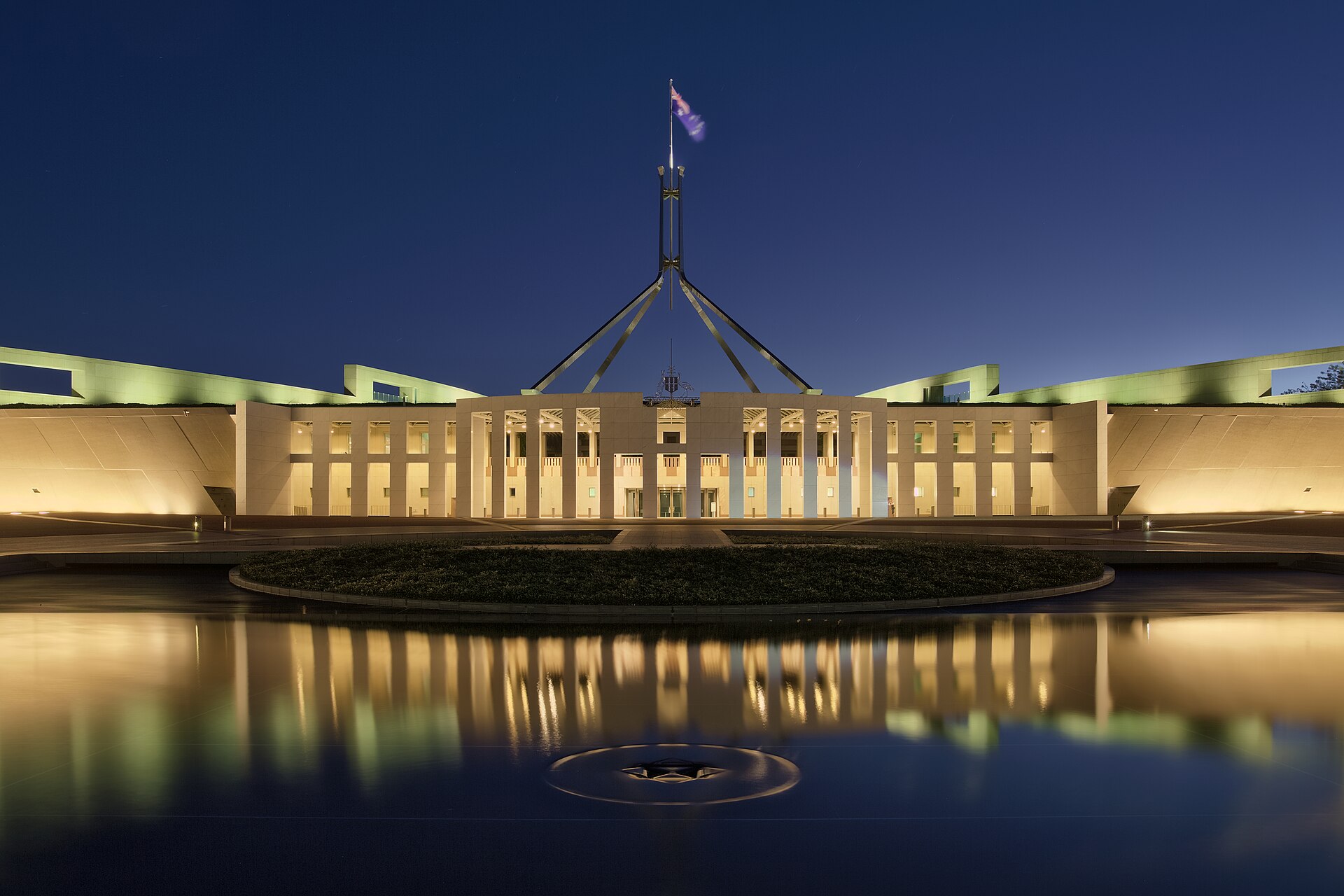
Australia’s Parliament House in Canberra is more than just the seat of government. It’s a statement about how the country sees itself—open, forward-looking, and rooted in the land it occupies. Perched on Capital Hill, the building dominates the skyline without overwhelming it, its design deliberately understated yet striking. There are no grand domes or towering columns, none of the pomp often associated with political power. Instead, the structure unfolds with clean lines and vast glass surfaces that dissolve the boundary between inside and out, framing views of the surrounding hills and sky.
The decision to build a new Parliament House came in the late 1980s, when the original building, opened in 1927, could no longer accommodate the growing demands of modern governance. Construction took nearly eight years, culminating in the official opening by Queen Elizabeth II in 1988. The location was no accident. Canberra itself was conceived as a purpose-built capital, a neutral ground between Sydney and Melbourne, and Capital Hill was chosen as the symbolic heart of the nation’s political life.
The architecture reflects an attempt to balance tradition with modernity. The exterior is clad in locally quarried sandstone, its warm tones blending with the landscape, while the grass-covered roof further softens the building’s presence, making it appear almost organic. Inside, the design prioritises transparency and accessibility. The chambers of the House of Representatives and the Senate sit opposite each other, connected by a soaring central atrium flooded with natural light. Visitors can wander through the halls, observe debates from public galleries, or admire the rotating exhibitions of Australian art that line the corridors.
The space around the building is just as carefully considered. The expansive forecourt serves as a public square, hosting everything from protests to festivals. In summer, open-air concerts draw crowds, while winter brings Christmas markets and community events. The surrounding parkland, with its winding paths and shaded lawns, is a favourite spot for locals to walk, picnic, or simply enjoy the view. This openness reinforces the idea that Parliament House isn’t just for politicians—it belongs to everyone.
Inside, the building houses exhibits that trace the nation’s political and cultural journey. The original Australian Constitution is displayed in the foyer, while another gallery features portraits of every prime minister. A collection of gifts from foreign governments—ranging from traditional crafts to contemporary artworks—offers a glimpse into Australia’s diplomatic relationships. These displays aren’t just historical artefacts; they’re reminders of how the country engages with the world.
What sets Parliament House apart is its accessibility. Unlike many capitals where government buildings are fortress-like and heavily guarded, here the doors are open to all. Visitors can walk in unannounced, sit in on parliamentary sessions, or explore the public areas at their own pace. This ease of access reflects a broader Australian value: trust in its citizens. The building doesn’t just house democracy; it embodies it.
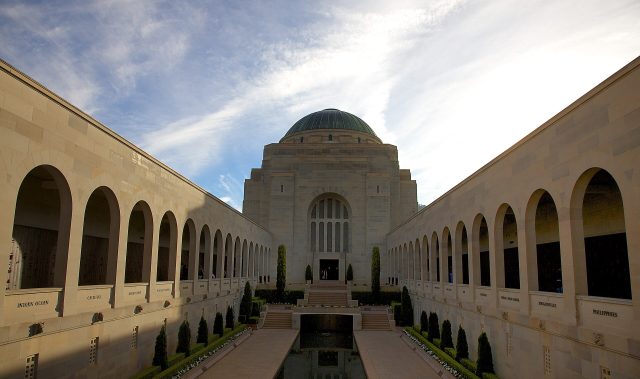
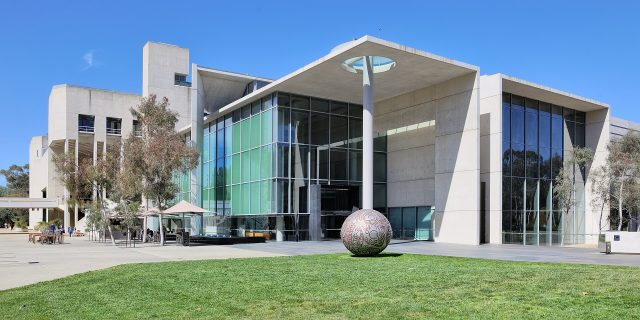
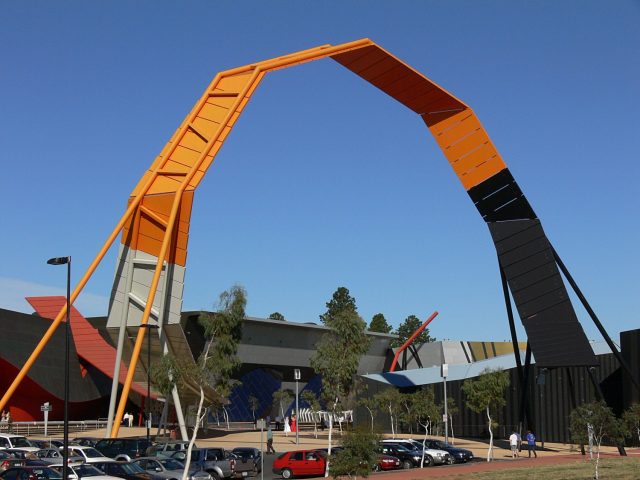
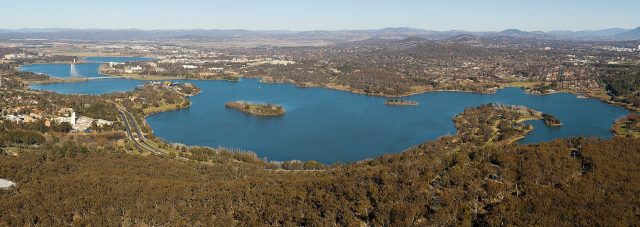
Canberra itself is an unusual city. Built from scratch in the early 20th century as a compromise between Sydney and Melbourne, it lacks the chaos of larger metropolises. Instead, it offers wide boulevards, artificial lakes, and a layout designed for clarity and space. Parliament House is its most recognisable landmark, but the city is also home to world-class museums, galleries, and memorials that explore Australia’s history and identity.
A visit to Parliament House is more than a tour of a government building. It’s a chance to understand the principles that shape the country—openness, equality, and the belief that power should be visible, not hidden. The architecture reinforces this. There’s no intimidation in its scale, no sense of exclusion. Instead, it invites you in, encouraging you to look around, ask questions, and feel connected to something larger than yourself. That’s why it lingers in the memory—not as a distant institution, but as a place where the nation’s story continues to unfold, in full view of anyone who cares to watch.