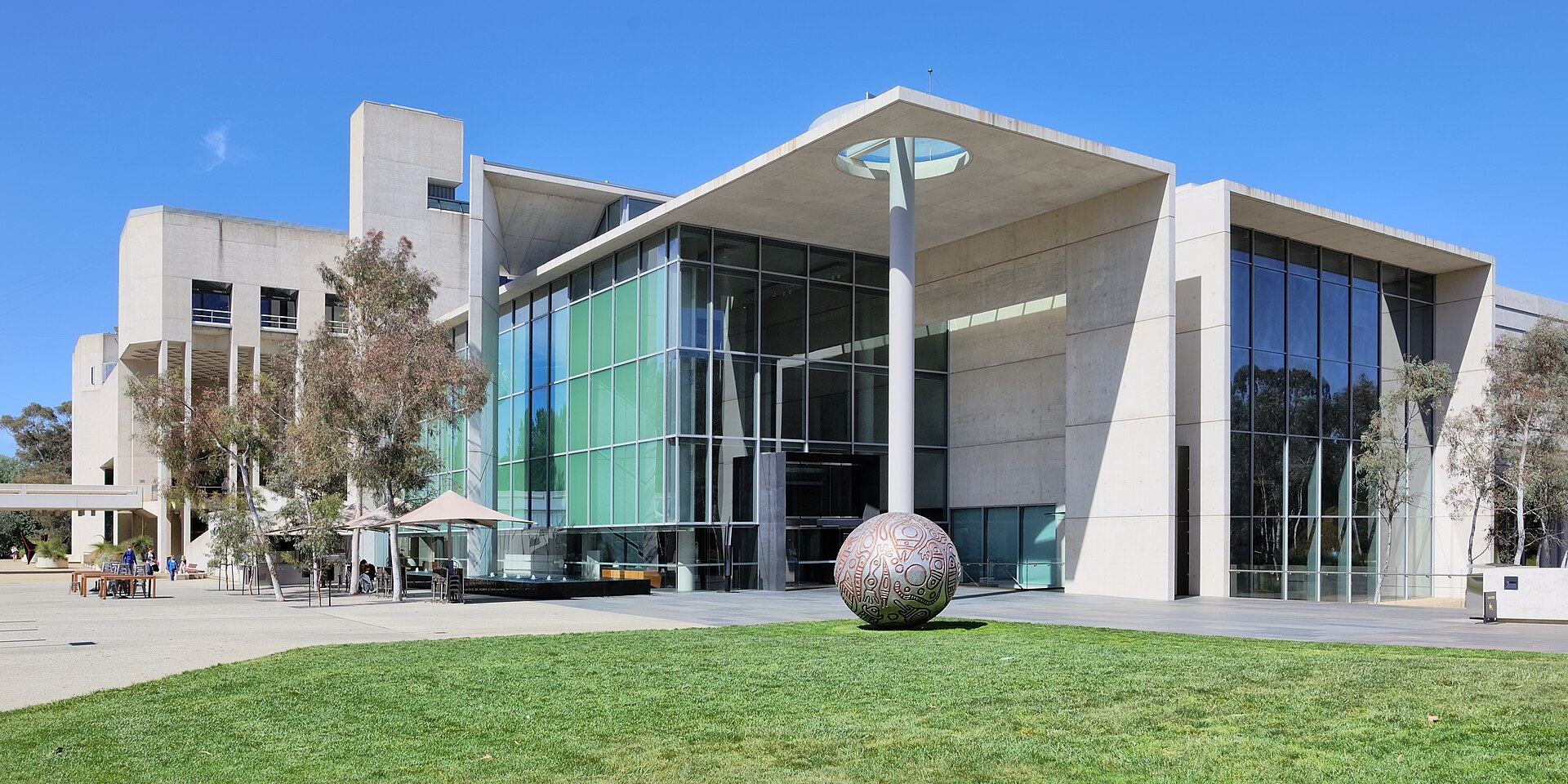
The National Gallery of Australia sits quietly in Canberra, a city often dismissed as too planned, too deliberate. Yet the gallery feels right at home here, its presence neither forced nor out of place. Designed in the late 1960s by architect Colin Madigan, the building manages to be both imposing and understated. Its grey granite exterior and geometric lines give it a timeless quality, while the spacious interiors invite visitors to linger. There’s a sense that the art isn’t just displayed here—it’s alive, breathing in conversation with those who walk through its halls.
Since opening in 1982, the gallery has grown into one of the country’s most significant cultural institutions, housing over 120,000 works. It’s not just a collection of paintings and sculptures; it’s a narrative of Australia itself, told through art. The galleries span everything from ancient Aboriginal rock art to contemporary installations, offering a perspective that shifts between the familiar and the unexpected. European masters like Monet, Picasso, and Pollock share space with Australian artists, but the heart of the collection lies in works that reflect the country’s own story. Aboriginal art, long overlooked, now occupies a central place, its rich symbolism and deep connection to the land offering a different way of understanding Australia’s past.
One of the gallery’s most iconic pieces is Arthur Streeton’s *Golden Summer, Eaglemont*, painted in the early 20th century. The vibrant autumn hues of the Australian bush captured in the work became a defining image of national identity. Streeton and his contemporaries were among the first to try to distill what made Australia’s landscapes unique, moving away from European traditions to something distinctly their own. Their paintings reflect a struggle to reconcile the unfamiliar with the deeply personal—a tension that still resonates in the country’s art today.
Beyond paintings, the gallery holds an impressive collection of sculptures, both Australian and international. The Asian art section is particularly striking, with ancient statues, ceramics, and textiles that serve as a reminder of Australia’s place in the Asia-Pacific region. These works highlight the cultural exchanges that have shaped the country, from early trade routes to modern migration. Walking through the galleries, it’s easy to lose track of time, moving from one era to another, one continent to the next, each piece offering a new layer of understanding.
Contemporary art plays a vital role in the gallery’s identity. Regular exhibitions feature Australian and international artists whose work grapples with pressing questions—environmental concerns, colonial legacies, and multiculturalism. These themes are especially relevant in Australia, where the past is never far from the present. The gallery becomes a space for dialogue, where art doesn’t just hang on the walls but challenges visitors to think, question, and engage.
The building itself is a study in brutalist architecture, a style that was popular in the 1970s for its raw, unadorned aesthetic. The concrete forms and minimalist design might seem austere at first, but inside, the atmosphere is anything but cold. The galleries are bright and airy, with carefully considered lighting that draws attention to the art without distraction. The architecture fades into the background, letting the works take center stage—a deliberate choice that reinforces the gallery’s purpose.
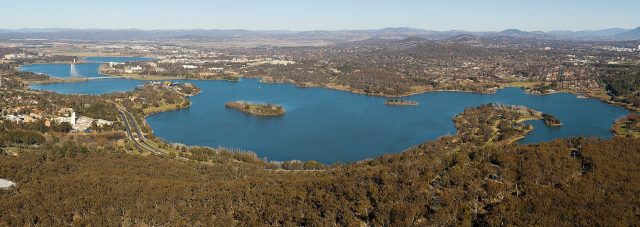
Just a short walk from Lake Burley Griffin, the gallery is often part of a larger visit to Canberra’s cultural precinct. The lake, an artificial creation from the mid-20th century, is one of the city’s defining features, its calm waters offering a counterpoint to the bustle of urban life. After exploring the galleries, visitors can stroll along the shoreline, stop for coffee, or simply sit and reflect on what they’ve seen. Canberra may have a reputation as a quiet, bureaucratic capital, but places like the National Gallery reveal a different side of the city—one that’s thoughtful, layered, and full of surprises.
More than just a museum, the National Gallery of Australia is a place where histories converge. Here, Indigenous traditions meet European influences, ancient art sits alongside contemporary experiments, and the past is always in conversation with the present. Whether you spend an hour or a full day, the gallery has a way of revealing something new with each visit. The art isn’t static; it shifts, evolves, and in turn, changes those who engage with it. That, perhaps, is the gallery’s greatest strength—it doesn’t just preserve art but helps shape how Australia sees itself and its place in the world.