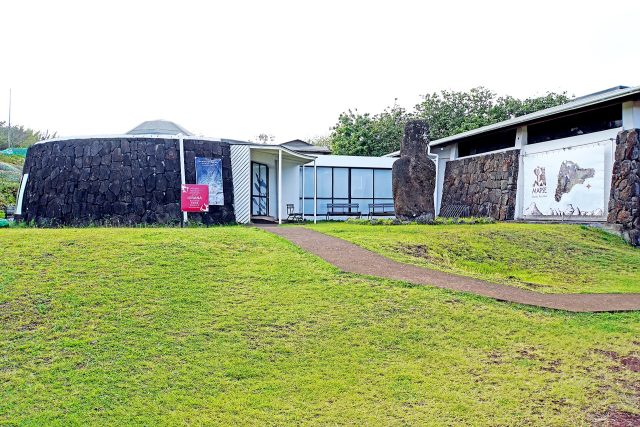
Perched on the edge of Rano Kau crater, Orongo feels like a place where time has frayed at the edges. The village clings to the southwestern rim of the volcano, its sheer cliffs dropping away into the Pacific below. The wind here is relentless, tugging at clothes and hair, carrying the salt tang of the ocean and the sharp, earthy scent of volcanic rock. It’s easy to imagine why this isolated spot became sacred—its dramatic geography seems to defy the ordinary, as if the land itself is reaching toward something beyond the visible world.
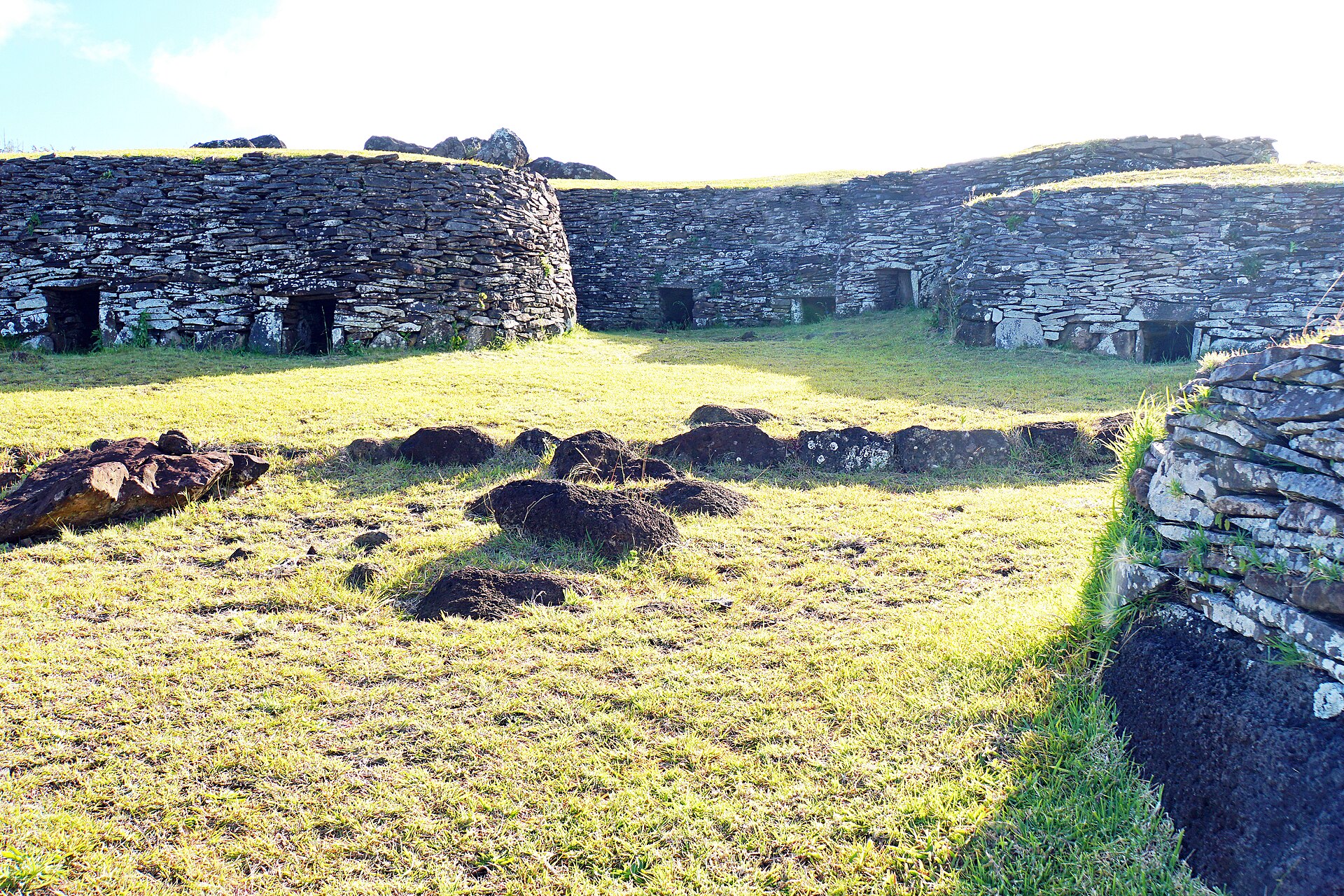
The stone houses of Orongo are unlike anything else on Easter Island. Built from dark basalt slabs without mortar, their low, arched doorways force visitors to crouch as they step inside. The interiors are cool and dim, a refuge from the sun and wind. These structures, called *hare paenga*, were never meant to be permanent homes. Instead, they served as temporary shelters for those who came to participate in the *Tangata Manu* ceremony, the ritual that once defined the island’s social and spiritual life. The walls are etched with petroglyphs—carvings of birdmen with elongated beaks, their human bodies poised in mid-motion, as if caught between worlds. The images feel alive, their meanings layered with centuries of belief.
The *Tangata Manu* ceremony was more than a tradition; it was the heartbeat of Rapa Nui society. Each year, representatives from the island’s clans would gather in Orongo, descending the treacherous cliffs to the rocky shore below. Their task was to wait for the first egg of the *manutara*, a sooty tern that nested on the nearby islets. The first man to retrieve an unbroken egg and return it to Orongo would become the *Tangata Manu*, the birdman, a figure imbued with divine authority. For the next year, his clan would hold power, overseeing the island’s resources and rituals. The ceremony was a test of endurance, skill, and luck, a way to ensure that leadership was earned rather than inherited. It endured until the late 19th century, when the arrival of outsiders and the collapse of traditional ways of life brought an end to the practice.
Today, Orongo is a place of quiet reflection. The path leading to the village winds along the crater’s edge, offering sweeping views of the turquoise ocean on one side and the reed-fringed lake of Rano Kau on the other. The air is thick with the cries of seabirds and the rustle of wind through the grass. The petroglyphs, scattered across the rocks, seem to watch over the landscape, their meanings still partly shrouded in mystery. Archaeologists debate why this particular site was chosen for the ceremony—whether it was the commanding view of the island, the natural defenses of the cliffs, or the belief that Rano Kau was a gateway to the spirit world. Whatever the reason, Orongo retains a sense of sacredness, a feeling that this place was set apart from the rest of the island.
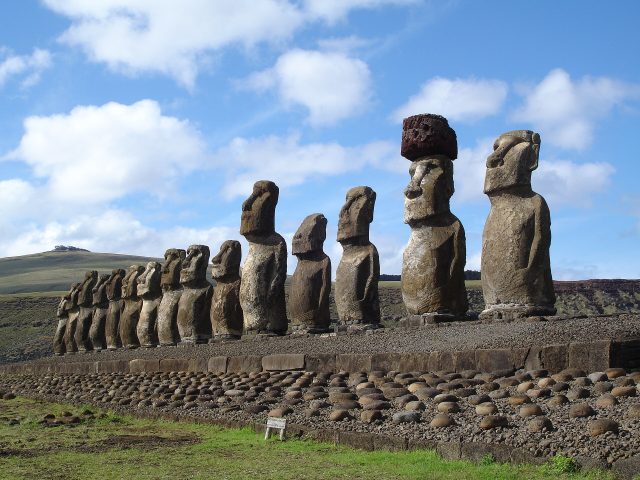
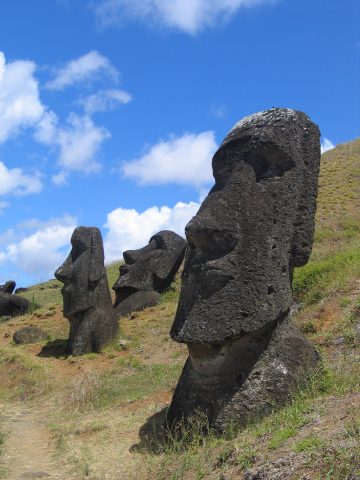
Walking through Orongo is like stepping into a story that hasn’t quite ended. Unlike the more famous moai statues, which draw crowds of visitors, this site feels untouched, its atmosphere preserved by its remoteness. There are no souvenir stands or guided tours here, just the wind, the ocean, and the stones. On a clear day, it’s easy to lose track of time, sitting on the crater’s edge and watching the waves crash against the cliffs below. The distant silhouettes of moai in the landscape serve as a reminder that Easter Island is more than just a collection of archaeological wonders—it’s a place where the past is still palpable, where every rock and carving carries the weight of history.
Orongo is one of those rare places that feels both ancient and immediate. The rituals that once took place here may be long gone, but the landscape itself seems to remember. The wind carries the echoes of chants, the cliffs bear the marks of hands that shaped them centuries ago, and the ocean stretches endlessly, as if holding the island in its embrace. For the Rapa Nui people, this was a place where the earth met the sky, where the human and the divine intersected. Visitors today might not fully grasp the depth of those beliefs, but they can still feel the pull of something greater—a sense of connection to a culture that thrived in isolation, creating a world of its own on this remote speck of land.
There’s a humility in standing here, surrounded by the remnants of a society that once flourished and then faded. Orongo doesn’t offer easy answers or grand spectacles. Instead, it invites contemplation, a chance to sit with the questions that have lingered for centuries. Why did the Rapa Nui people invest so much meaning in this place? What did it feel like to stand on these cliffs, waiting for a sign from the birds? The answers are lost to time, but the atmosphere remains—a quiet, insistent presence that lingers long after you’ve left. For those who come to Easter Island seeking more than just photographs, Orongo is where the island’s soul reveals itself.