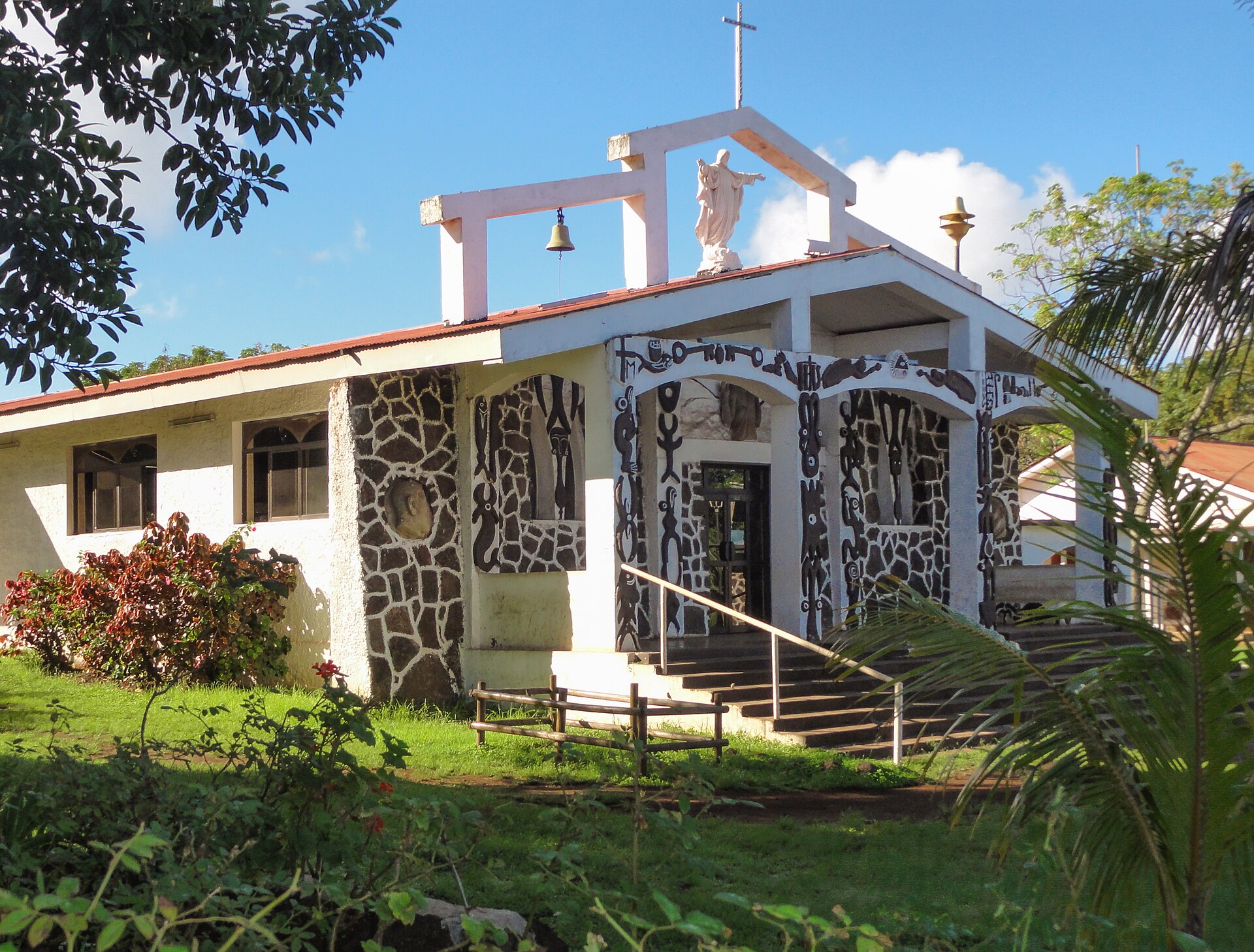
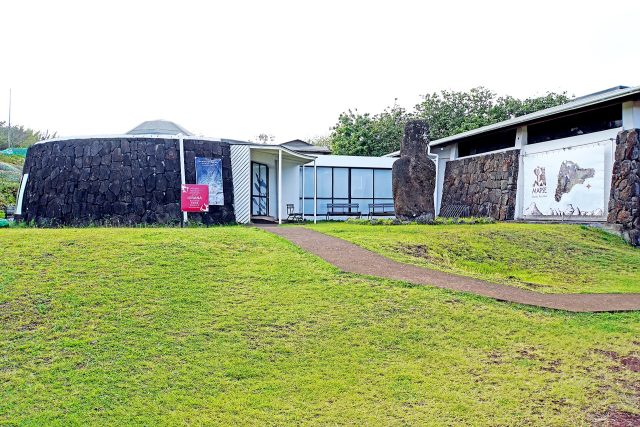
Standing on the eastern edge of Hanga Roa, the Church of the Holy Cross feels like a quiet conversation between two worlds. Built in the early twentieth century, it doesn’t dominate the landscape like the grand cathedrals of Europe, nor does it try to. Its simple wooden structure, with a modest pitched roof and a small bell tower, blends into the surroundings rather than imposing itself upon them. The whitewashed walls and corrugated iron roof—practical choices for an island where materials are scarce—give it a humble, almost unassuming presence. Yet that very simplicity makes it feel authentic, a place where faith and daily life intersect without pretense.
The church’s history is woven into the broader story of Easter Island. When European explorers and missionaries arrived in the eighteenth and nineteenth centuries, they brought with them not just new beliefs but also profound changes to Rapa Nui society. By the time the Church of the Holy Cross was built in 1937, the island had already endured colonization, devastating epidemics, and even a period when it was turned into a sheep ranch by a Chilean company. The church became more than a place of worship; it was a symbol of resilience for the Rapa Nui people, a testament to their ability to adapt while holding onto their identity.
Inside, the church is uncluttered, with wooden pews, a small altar, and a handful of icons. What stands out are the carved wooden figures of saints, crafted by local artisans. Their smooth, flowing lines echo the same aesthetic found in the island’s famous moai statues, though here the artistry serves a different tradition. The figures feel familiar yet distinct, a quiet nod to the island’s artistic heritage reimagined through a Christian lens. The space isn’t grand, but it doesn’t need to be—its power lies in its sincerity.
For the people of Hanga Roa, the church is a living part of their community. On Sundays, the congregation gathers for mass, and it’s not uncommon to hear hymns sung in Rapa Nui or to see traditional dances incorporated into the service. These moments aren’t performances for tourists; they’re a natural expression of how the island’s culture has absorbed and reinterpreted outside influences. The church doesn’t erase the past—it carries it forward in its own way.
The setting only adds to its charm. The church sits near the coast, where the land meets the vast expanse of the Pacific. From here, the ocean is always visible, a constant presence in the lives of those who call the island home. The surrounding area is lush with tropical plants, and beyond the immediate greenery, the rolling hills of Rapa Nui stretch into the distance. On clear days, the horizon seems endless, a reminder of just how isolated this place is. The church feels like a bridge between the island’s rugged interior and the boundless sea, between the stories of the past and the rhythms of the present.
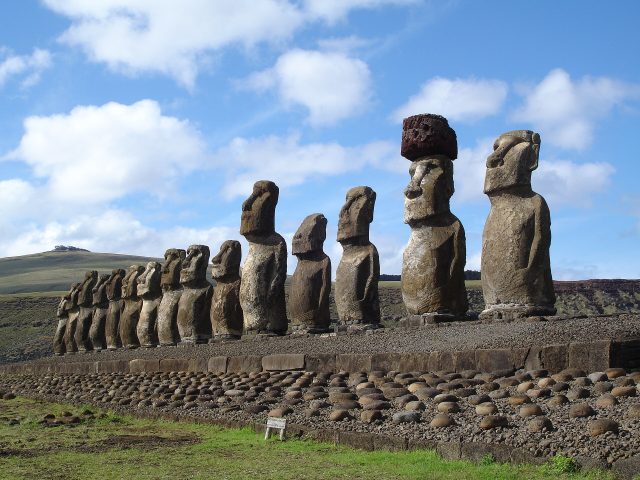
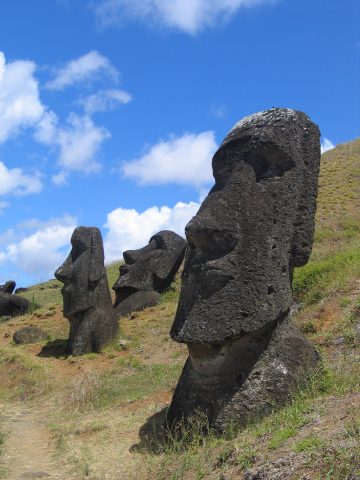
Visitors to Easter Island often come expecting only the moai, those towering stone figures that have made the island famous. But the Church of the Holy Cross offers something different—a chance to step away from the crowds and experience a quieter side of Rapa Nui. There’s no grand spectacle here, no need to rush. You can sit on one of the wooden pews, listen to the sound of the wind outside, and let the stillness settle over you. It’s a place that invites reflection, not just about the island’s history, but about the people who have shaped it.
What makes the church special isn’t its size or its architectural grandeur, but its role in the island’s ongoing story. It’s a reminder that Rapa Nui has never been frozen in time. The moai may be the most visible symbols of its past, but the church represents something just as important: the way the island’s people have navigated change while staying true to themselves. It’s a place where faith, culture, and history converge, not as separate threads, but as parts of a single, enduring fabric.
For those who take the time to visit, the Church of the Holy Cross offers a glimpse into the soul of Easter Island. It doesn’t demand attention, but it rewards those who pause to notice. In a place defined by its ancient mysteries, it stands as a quiet witness to the lives that have unfolded here—lives shaped by the land, the sea, and the unshakable human need to find meaning in both.