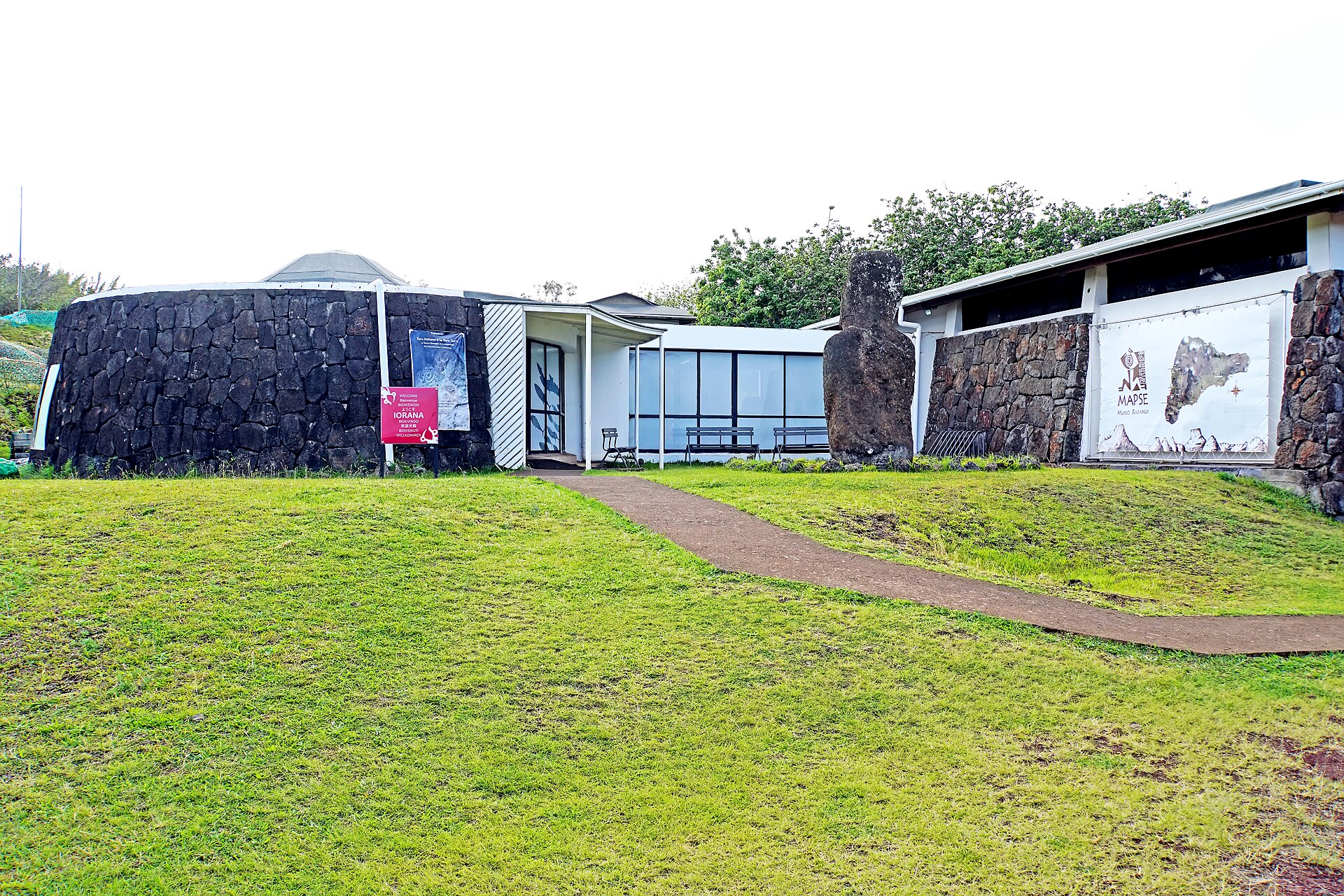
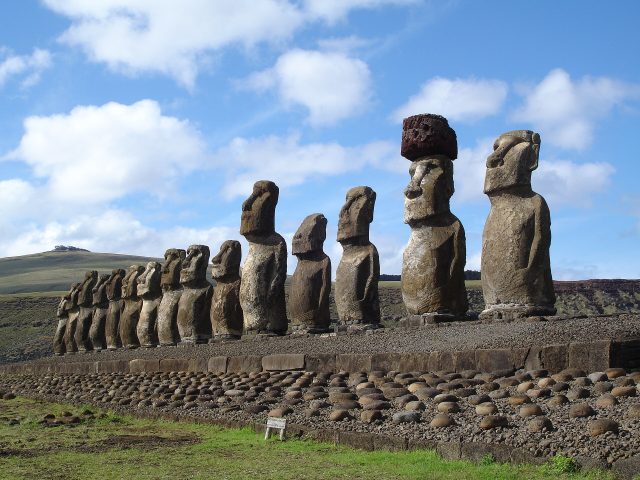
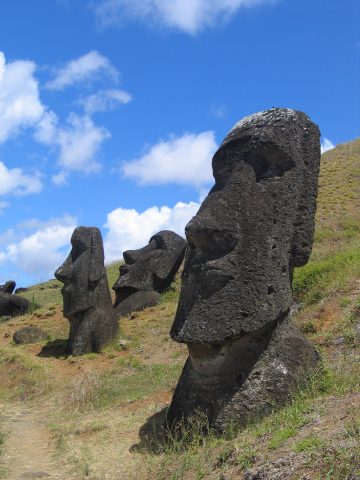
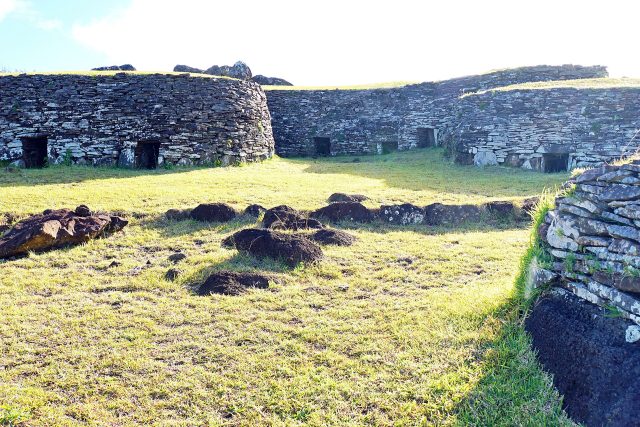
The Padre Sebastián Englert Anthropological Museum is one of those quiet places on Easter Island where time seems to slow down. Tucked away in a modest building on the edge of Hanga Roa, it holds the story of the Rapa Nui people—a culture deeply tied to the island’s enigmatic moai statues and ancient traditions that stretch back centuries. The museum is named after a German priest and scholar who devoted his life to studying the island and its inhabitants. Sebastián Englert arrived on Rapa Nui in the mid-20th century and remained there until his death, amassing a collection of artifacts, documents, and knowledge that became the foundation of this museum.
The exhibits here are small but carefully curated, each piece carrying weight and meaning. Visitors can see everyday objects from the Rapa Nui way of life before European contact—tools, jewelry, and ritual items that offer a glimpse into how the islanders lived in isolation, surrounded by the vast Pacific. Replicas of traditional houses and canoes show how people adapted to their remote environment, while rare photographs and documents trace the island’s history from its first encounters with the outside world to the present day.
One of the museum’s most intriguing displays is its collection of rongorongo tablets, wooden boards covered in undeciphered script. These are the only known examples of writing from the Rapa Nui culture, and their origins remain one of the Pacific’s great mysteries. Nearby, copies of petroglyphs carved into rocks across the island serve as a kind of ancient record, their symbols hinting at stories that have yet to be fully understood. The museum doesn’t just present these artifacts—it invites visitors to ponder the questions they raise.
Beyond the distant past, the museum also explores how Rapa Nui culture has evolved over time. Exhibits cover the devastating impact of colonization, including the period when islanders were forcibly taken to work on Peruvian plantations, and the suppression of traditional beliefs by missionaries. But there’s also a story of resilience: the revival of the Rapa Nui language, now taught in local schools, and the efforts of younger generations to preserve their heritage. It’s a reminder that this culture is not just a relic of history but a living, changing tradition.
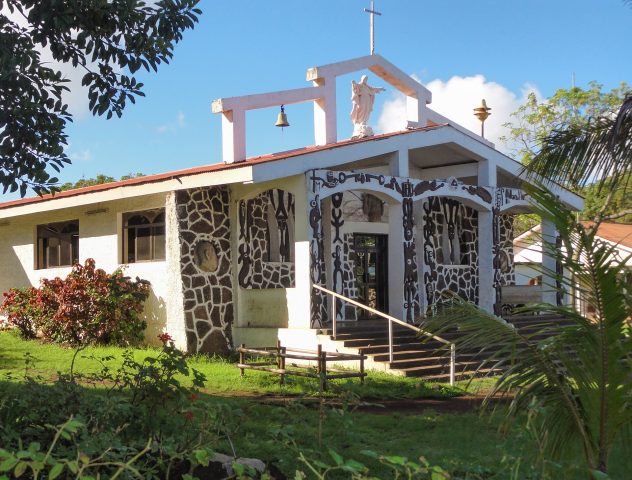
The museum building itself is simple and unassuming, constructed from local materials that blend into the island’s landscape. Inside, the space is open and well-lit, with exhibits arranged to encourage slow, thoughtful exploration. During the summer, the museum often hosts lectures and workshops where visitors can learn about Rapa Nui crafts, music, and dance. Occasionally, it also features temporary exhibitions on recent archaeological discoveries or contemporary island art.
What makes this museum special isn’t just its collection but the atmosphere it creates. Unlike the more crowded tourist sites on the island, this is a place of quiet reflection. There’s no rush here—just the chance to sit with the objects and let the weight of history settle in. For many travelers, the museum becomes a starting point for understanding Rapa Nui, offering context that goes beyond the famous statues. It’s a place where you begin to see the island not just as a destination but as a home, shaped by the people who have lived here for generations.
A visit here can take an hour or an entire afternoon, depending on how deeply you want to engage with the stories it holds. For those interested in anthropology, archaeology, or the history of indigenous cultures, it’s an essential stop. But even if your trip to Easter Island is mostly about the landscapes and the moai, the museum adds another layer to the experience. It turns the island from a place of wonder into a place of connection—one where the past isn’t just something to observe but something that still lives in the present.