Wadi Halfa’s Nile Corniche is where the river and the desert meet. The Nile here flows wide, its calm waters framed by golden sands that reach the shore. The place is quiet. Even the wind over the water seems soft, as if respecting the land’s rhythm.
This town sits at Sudan’s northern edge, near the Egyptian border. Its story has always been tied to the river. For centuries, the Nile was the main highway, carrying trade and survival. Ancient caravans passed through here with gold, ivory, and enslaved people from Africa toward Egypt. Later, British expeditions used Wadi Halfa as a key stop. Steamships once traveled between Aswan and Khartoum, filling the town with their whistles and dockside noise.
Today, the corniche is part of everyday life.
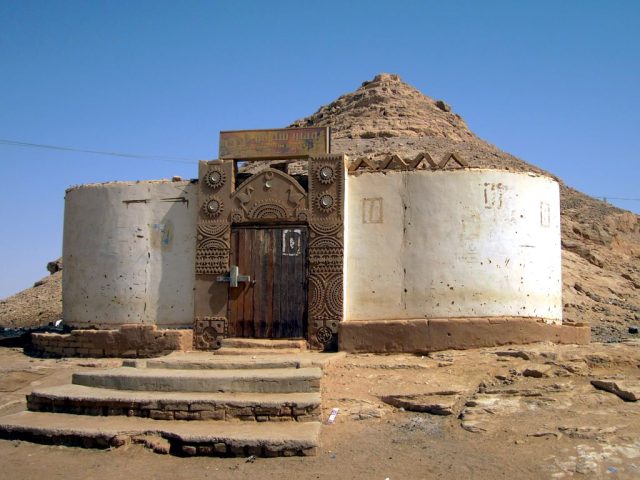
In the mornings, fishermen prepare their boats. In the evenings, families sit by the water, talking or listening to the silence. The low houses along the shore are built from clay and stone. They date back to the early 20th century. Their walls are sun-bleached, but the buildings stand firm.
The architecture is simple. Some homes have carved wooden doors or lattice windows, a sign of Arab influence. Small mosques with slender minarets line the waterfront. Old steamships rust along the shore—leftovers from another time.
At dusk, the corniche changes. The sun sinks behind the dunes, turning the river gold. The sky darkens to violet. Locals bring tea or coffee and watch the light on the water. Time slows here.
Wadi Halfa doesn’t draw crowds. There are no luxury hotels or large markets. But that’s why it feels real. You see Sudan as it is—unfiltered. You understand how people live where the desert meets the river. History lingers in every corner.
The Nile Corniche is the town’s heart. Everything here carries the past, yet it’s alive. You can walk the shore, listen to the water, or sit on a rock and watch boats drift. At some point, you realize this place doesn’t need to be explained. It exists as it is, and that’s enough.