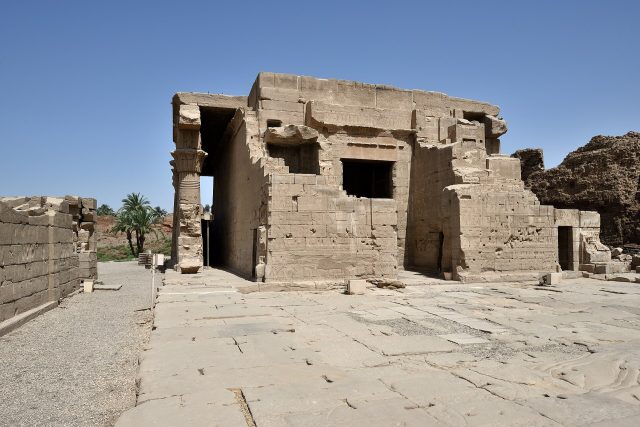
Dendera sits quietly on the west bank of the Nile, a short distance from Luxor, where the rhythm of modern life slows to match the pace of the past. The landscape here feels timeless—palm groves sway gently, and the low hills rise like the backs of sleeping giants, their slopes dotted with the remnants of an ancient world. This is where the Dendera Necropolis unfolds, not as a museum exhibit behind glass, but as a living archive carved into stone and sand. It’s a place where the dead were never truly gone, where every inscription and relief was meant to guide them into eternity, and where the living—those who built, painted, and buried their loved ones here—left behind fragments of their own stories.
Unlike the more famous Valley of the Kings, where pharaohs were laid to rest in seclusion, Dendera’s necropolis was a city of the dead for people from all walks of life. Nobles and laborers, priests and soldiers, even local governors known as nomarchs were buried here, their tombs ranging from simple shafts dug into the earth to elaborate chambers adorned with vibrant murals. Some date back to the Old Kingdom, while others belong to the Ptolemaic period, when Greek rulers still shaped Egypt’s destiny. The variety of tombs reflects not just wealth or status, but the evolving beliefs about the afterlife—how it should be prepared for, what comforts should accompany the dead, and what rituals would ensure their safe passage.
The architecture of these tombs follows a pattern seen across Egypt, yet each one carries its own character. Many are hewn directly into the rock, their entrances framed by columns that once supported wooden doors or stone slabs. Inside, narrow corridors lead to burial chambers, their walls covered in scenes that blur the line between art and religion. Here, the deceased is shown feasting with family, hunting in the marshes, or standing before the gods to be judged. The images aren’t just decorative; they were part of a carefully constructed narrative, a last gift to the dead to sustain them in the world beyond. Some tombs even depict the deceased at work—farming, crafting, or overseeing laborers—suggesting that the afterlife wasn’t just a place of rest, but a continuation of life’s duties and pleasures.
Among the most striking are the tombs of the nomarchs, local rulers who governed this region during the Middle Kingdom. Their resting places are larger and more ornate, designed to reflect their power and piety. The tomb of Ikernofret, a nomarch from the 21st century BCE, is a prime example. Its walls are alive with scenes of his life—receiving tribute, leading armies, presiding over religious festivals. These images offer a rare glimpse into how the elite saw themselves: as both warriors and mediators between the gods and their people. The nomarchs weren’t just buried with their wealth; they were buried with their legacies, their achievements etched into stone for eternity.
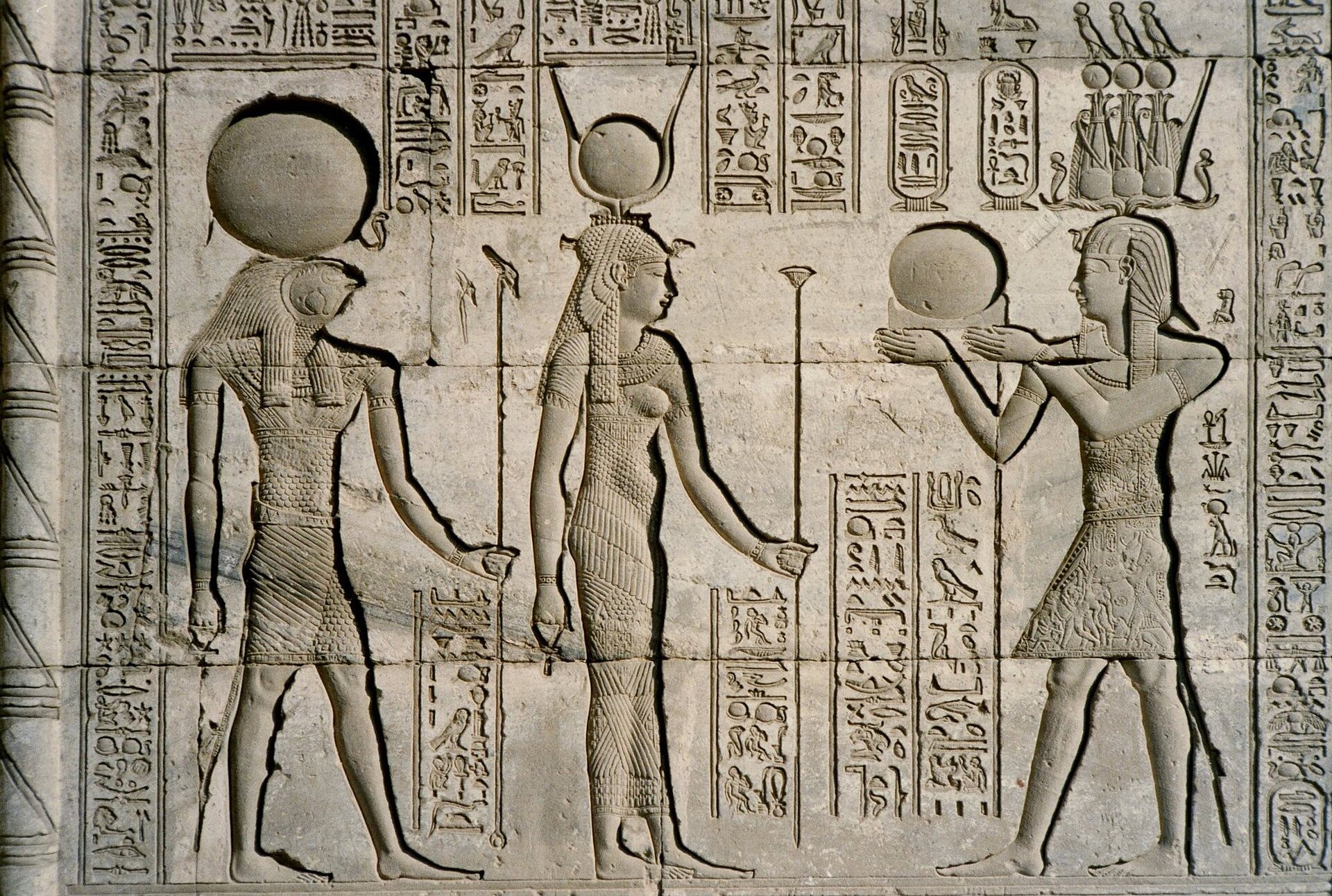
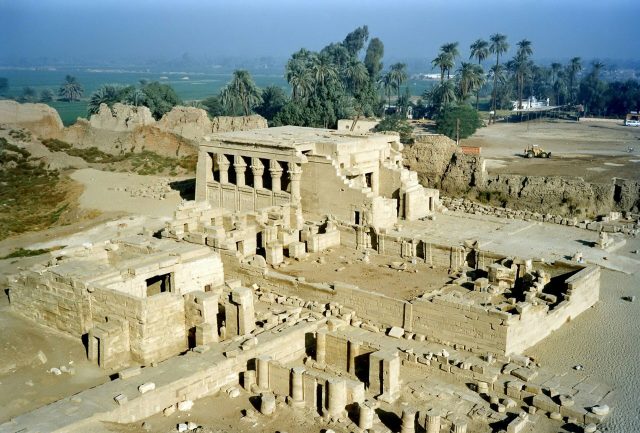
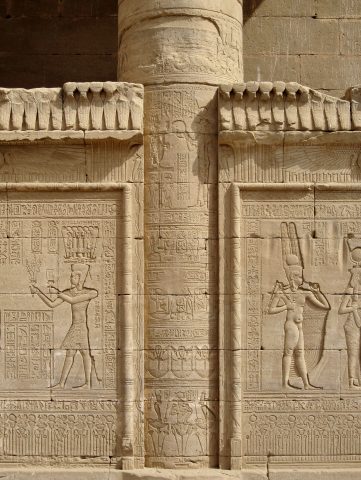
Just beyond the necropolis stands the Temple of Hathor, one of the best-preserved temples in Egypt. Hathor, the goddess of love, music, and joy, was also a protector of the dead, and her temple was a focal point for the community’s spiritual life. Many of the tombs in the necropolis are aligned toward it, as if the dead were meant to keep watch over the rituals performed in her honor. The temple itself is a masterpiece of Ptolemaic architecture, its walls covered in intricate carvings of gods, pharaohs, and celestial maps. The most famous of these is the Dendera Zodiac, a circular relief that represents one of the oldest known astronomical charts. It’s a reminder that for the ancient Egyptians, the heavens weren’t just a backdrop to life—they were a map of destiny, guiding both the living and the dead.
What makes Dendera’s necropolis different from other ancient sites in Egypt is its sense of quiet persistence. There are no crowds here, no vendors hawking souvenirs, no tour groups rushing from one highlight to the next. Instead, there’s space to wander, to trace the faded lines of a hieroglyph with your fingers, or to sit in the shade of a palm and listen to the wind moving through the ruins. Many of the tombs remain unexcavated, their secrets still buried beneath the sand. Even those that have been opened to the public often feel like forgotten corners of history, places where the past hasn’t been polished for display but left to speak for itself.
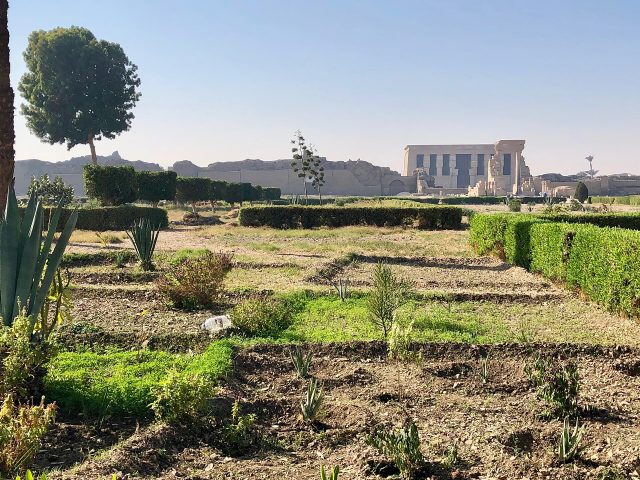
The modern town of Dendera hums with its own life—markets buzz with activity, children play in the streets, and the Nile flows as it always has. But step onto the low hills where the necropolis lies, and the noise fades. The air smells of dry earth and old stone, and the temple of Hathor rises in the distance like a sentinel. In moments like these, it becomes clear that Egypt’s history isn’t confined to the grand monuments of Giza or the tombs of Luxor. It’s also here, in places like Dendera, where the past isn’t just remembered—it’s still present, waiting to be discovered by those willing to look beyond the obvious.