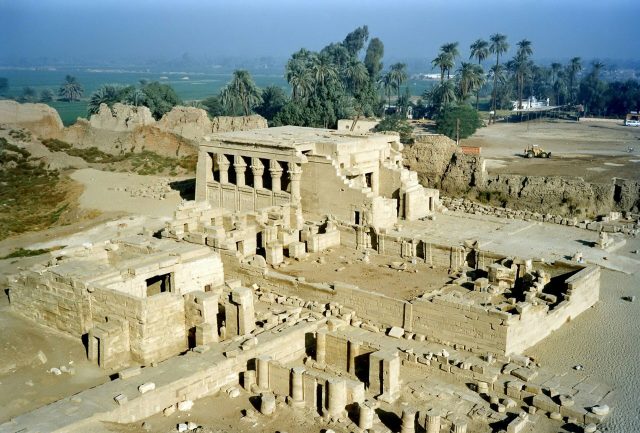
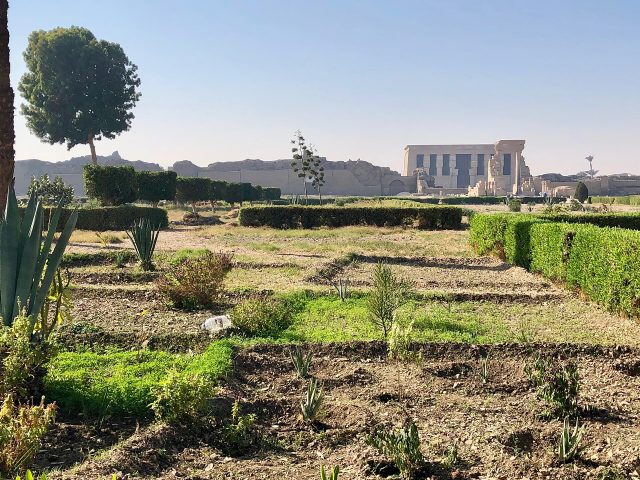
Dendera sits quietly on the west bank of the Nile, a world away from the tourist crowds of Luxor or Cairo. The road here winds through stretches of golden sand, past villages where life moves at the pace of the river. There’s no fanfare when you arrive—just the dry heat, the occasional rustle of palm fronds, and the sense that this place has existed for centuries without much notice. The main attraction is the Temple of Hathor, a grand structure that draws most visitors, but tucked slightly aside from it stands a smaller, often overlooked building: the Roman Mammisi, or the Temple of the Birth of Isis. It’s modest in size, yet it holds a story of how Egypt’s ancient beliefs evolved under Roman rule, a quiet testament to the layers of history that shape this land.
Mammisi temples were a late development in Egyptian religious architecture, built to celebrate the divine birth of a god, usually the child of a divine couple. In Dendera, the original focus was on Ihy, the son of Hathor and Horus, but by the Roman period, the cult had shifted to Isis and her infant son, Horus. The temple here was constructed during the reign of Emperor Augustus, though some scholars suggest its foundations may date back to the Ptolemaic era. Either way, it stands as one of the last major religious structures built in Egypt before Christianity began to replace the old gods. The building itself is unassuming, its proportions carefully balanced—a blend of Egyptian tradition and Roman influence that feels neither forced nor overly ornate.
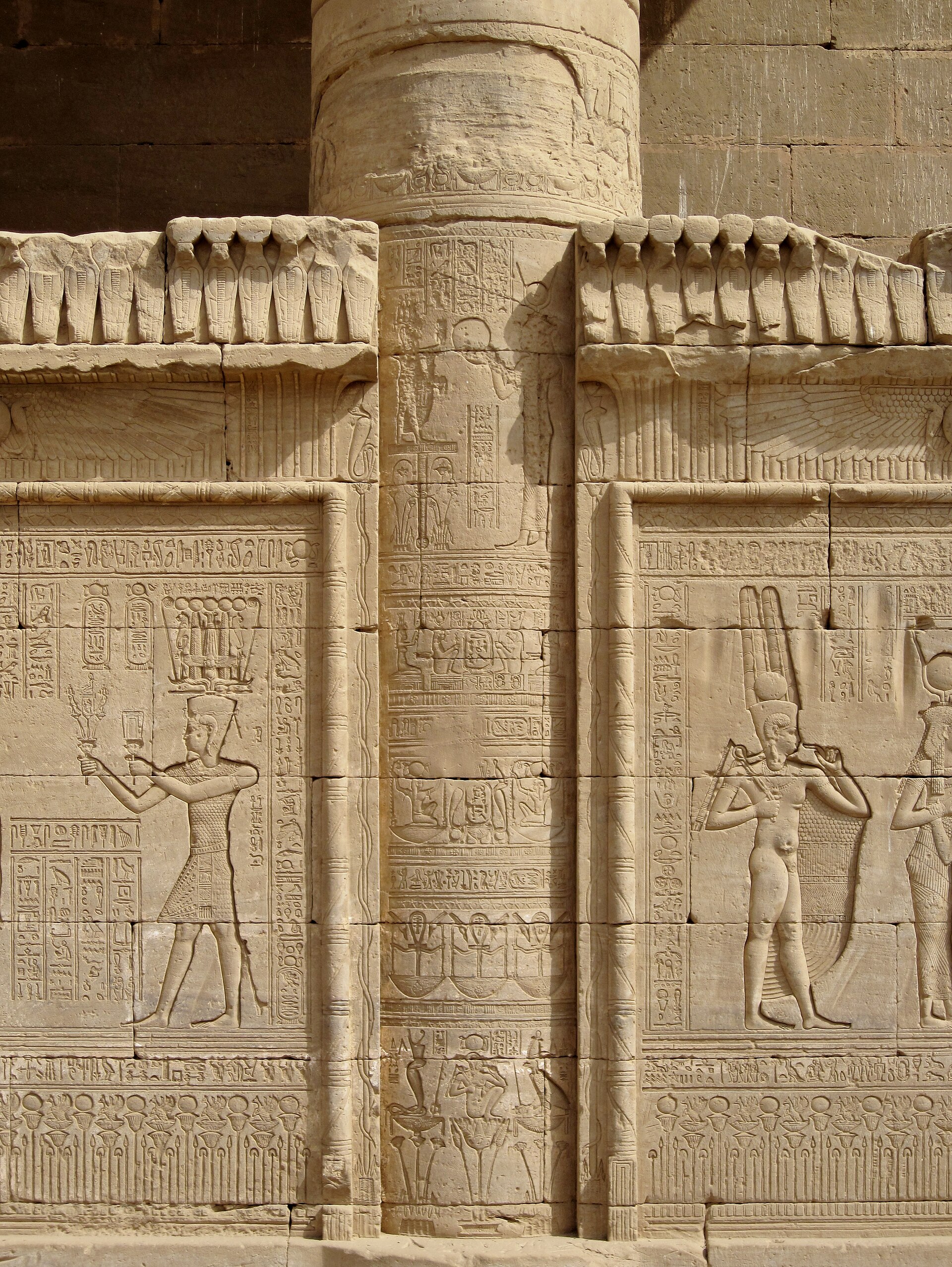
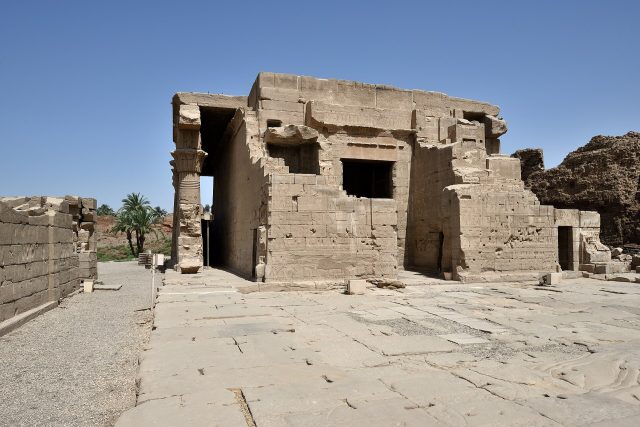
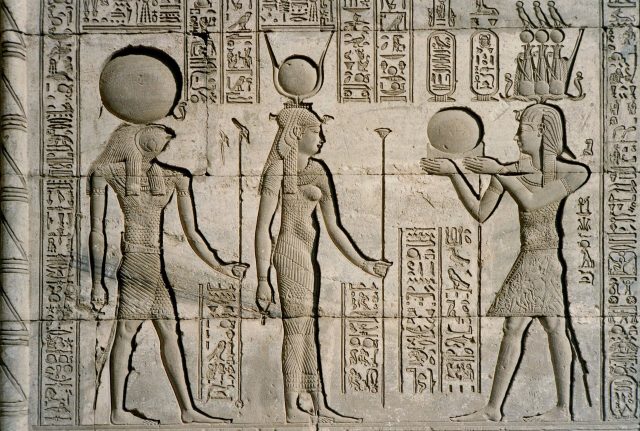
The entrance is framed by two columned halls, their capitals carved into the shape of lotus flowers, a motif deeply rooted in Egyptian art. The columns are sturdy but not oppressive, their lines guiding the eye inward. Inside, the walls are covered in reliefs depicting scenes from the myths of Isis and Horus. Some show the goddess nursing her child, a tender image that contrasts with the more martial scenes where Horus triumphs over his enemies. These carvings weren’t just decorative; they were part of the rituals performed by priests, a visual narrative of divine power and protection. The craftsmanship is precise, the figures rendered with a clarity that makes them feel almost alive, even after two thousand years.
The ceiling of the inner hall is particularly striking. Divided into sections, it’s adorned with astronomical scenes—zodiac constellations, solar disks, and gods associated with the heavens. At the center, the goddess Nut arches her body across the stone, embodying the sky itself. These depictions weren’t merely symbolic; they reflected the Egyptians’ understanding of the cosmos, a worldview where earthly and celestial realms were inseparable. By the Roman period, these images had grown more intricate, influenced by Greek astronomy, yet they retained the essence of Egypt’s ancient traditions. The ceiling feels like a map of the universe, a reminder that this temple was once a place where the divine and the mortal met.
In its prime, the mammisi was part of a larger sacred complex, enclosed by walls that have since crumbled, leaving only fragments behind. It wasn’t a standalone structure but an integral part of Dendera’s temple precinct, where the grand Temple of Hathor dominated. Yet the mammisi held a unique role—it was here that the most intimate rituals took place. Each year, priests reenacted the myth of Isis giving birth to Horus, a cycle of renewal that mirrored the rhythms of the Nile and the seasons. The Romans, who ruled Egypt by this time, didn’t discard these traditions. Instead, they adapted them, weaving their own beliefs into the existing fabric of Egyptian religion. The result is a building that feels like a conversation between cultures, where Roman pragmatism meets Egyptian mysticism.
Today, the mammisi bears the marks of time. Sand drifts against its base, wind erodes the carvings, and the once-vibrant colors have faded under the relentless sun. Yet it doesn’t feel abandoned. There’s a stillness here, a sense of quiet dignity. Unlike the bustling temples of Luxor or Karnak, this place isn’t overrun with visitors. You can walk through the halls without rushing, tracing your fingers along the stone, noticing details that might otherwise go unnoticed—the faint remnants of paint, the way light falls across a relief at certain hours. Occasionally, a local might pause in the shade of the columns, or leave a small offering at the entrance, a gesture that feels more like habit than ritual.
Visiting the mammisi isn’t just about seeing an ancient monument; it’s about stepping into a different rhythm. The grand temples of Egypt were built to impress, to overwhelm with their scale and grandeur. This one is different. It’s intimate, almost personal. You can imagine the priests moving through the halls, the murmur of prayers, the scent of incense mingling with the dry desert air. It’s a place where history feels tangible, where the past isn’t just preserved in stone but lingers in the atmosphere. The Roman Mammisi isn’t just a relic; it’s a bridge between eras, a reminder of how cultures borrow from one another, how beliefs evolve without entirely letting go of what came before.
If you find yourself in Dendera, don’t rush straight to the Temple of Hathor. Take a moment to sit on the steps of the mammisi, to look closely at the carvings, to let the silence settle around you. This isn’t a place for quick photos or hurried tours. It demands attention, a willingness to slow down and listen. And if you do, it might reveal itself not as a museum piece, but as something far more alive—a fragment of history that still breathes.