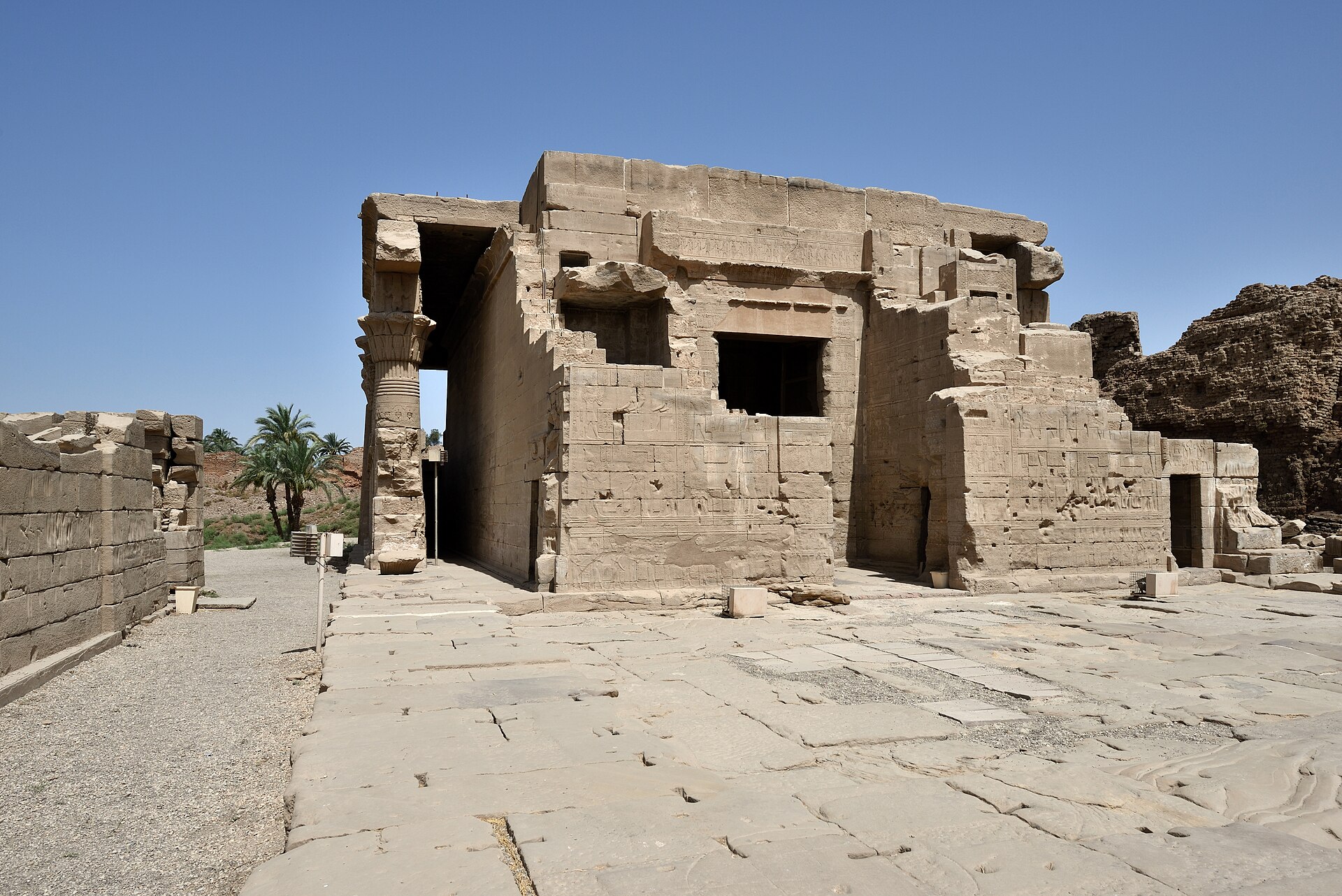
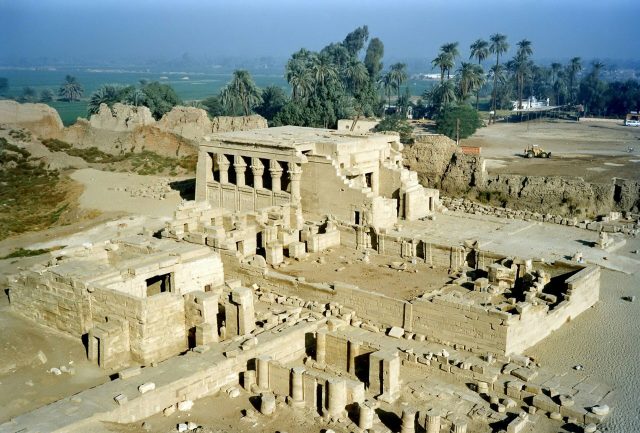
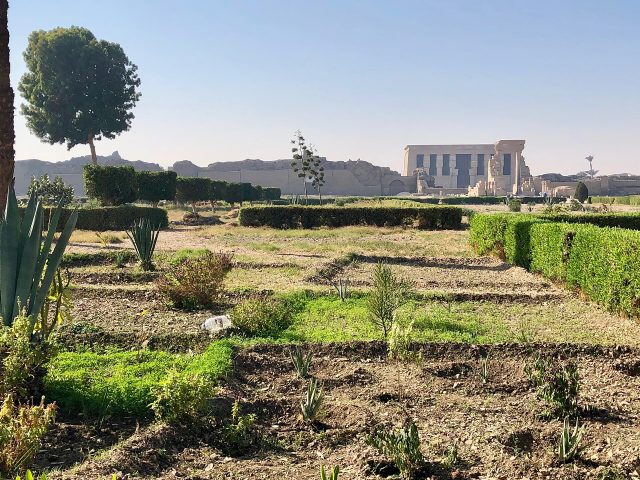
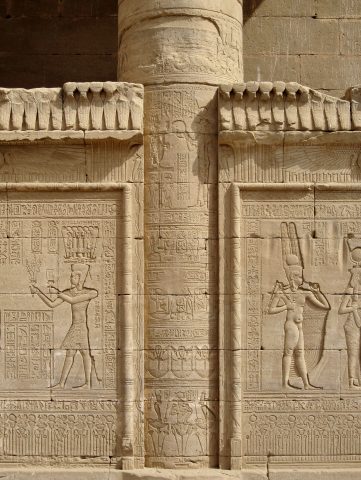
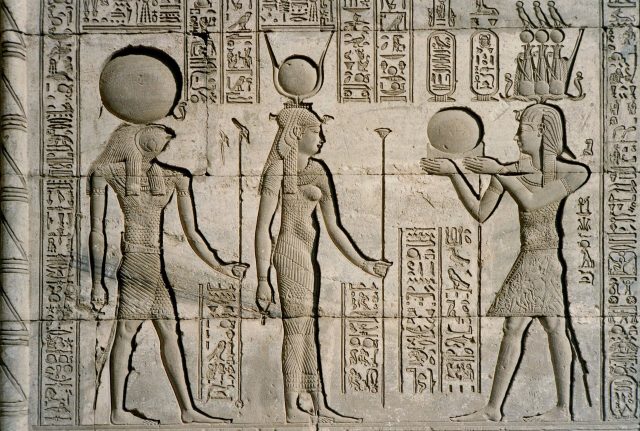
Dendera sits quietly on the west bank of the Nile, a small town where the rhythm of life moves to the slow pulse of the river rather than the hurried footsteps of tourists. Just a two-hour drive from Luxor, it feels worlds away from the bustle of Egypt’s more famous sites. The air carries the scent of damp earth and palm fronds, and the only sounds are the occasional call of a vendor in the market or the distant lowing of cattle. Most visitors come for the Temple of Hathor, its grand columns and intricate carvings drawing crowds even after millennia. But tucked away in the labyrinth of narrow streets, another place tells a quieter story—one of faith, adaptation, and the layers of history that have settled into this land like dust on stone.
The Coptic church in Dendera is easy to miss if you’re not looking for it. There are no grand facades or towering spires, just a modest structure of sun-baked brick, its small windows designed more for shade than for light. It’s a building that doesn’t announce itself, yet it holds within its walls a narrative that stretches back to the earliest days of Christianity in Egypt. The Copts, descendants of the ancient Egyptians who embraced the new faith in the first centuries AD, built their churches where others had worshipped before them. This one is no different. While no one knows exactly when it was founded, scholars suggest it dates to the fourth or fifth century, a time when Christianity was taking root in the Nile Valley, not as a foreign import, but as something that grew from the soil itself.
Inside, the church feels intimate, almost protective. The ceilings are low, supported by thick columns that bear the weight of centuries. Some of these pillars may have once stood in older structures, repurposed when the church was built—a common practice in early Christian Egypt. It wasn’t just about practicality; it was a way of bridging the past and present, of letting the stones of one era bear witness to the next. Even the carvings on the walls carry this sense of continuity. The frescoes are simple, almost austere, but they speak in a language that blends the old with the new. Saints stand in poses that echo the figures in pharaonic tombs, and crosses intertwine with lotus flowers, a motif that would have been familiar to the temple builders who once walked these same streets.
What makes this church unusual is that it’s still alive. Unlike so many ancient sites in Egypt, which have been preserved as relics behind glass, this one remains a place of worship. The local Coptic community, though small, gathers here for services, their voices rising in hymns that have been sung for generations. On feast days, the air fills with the scent of incense and the flicker of candlelight, a reminder that faith here isn’t something frozen in time. It’s a living thread, woven into the fabric of daily life. For the few visitors who wander in, the experience is less about sightseeing and more about stepping into a space where time moves differently. There are no guided tours or explanatory plaques, just the quiet hum of history, waiting to be felt rather than explained.
Dendera itself is a town that doesn’t demand attention. It doesn’t have the grandeur of Cairo or the mystique of Luxor, but that’s part of its charm. The streets are narrow and winding, lined with houses that seem to have grown organically from the earth. The people here live at a pace that hasn’t changed much in centuries, and the church is very much a part of that rhythm. It’s not a monument to be admired from a distance; it’s a place where the past and present coexist without fanfare. The stones underfoot have seen empires rise and fall, religions come and go, yet they remain, silent witnesses to the enduring nature of belief.
For those who make the journey to Dendera, the church offers something rare—a chance to experience history without the filter of tourism. There’s no gift shop at the door, no crowd jostling for the best view. Instead, there’s space to sit, to listen, to let the weight of the place settle in. Some travelers return more than once, not because there’s more to see, but because there’s more to feel. It’s the kind of place that lingers in the memory long after you’ve left, a quiet counterpoint to the more famous sites that dominate Egypt’s landscape.
What makes Dendera and its church so compelling is the way they embody the layers of Egypt’s identity. Here, the ancient and the modern aren’t in opposition; they’re intertwined, each shaping the other in ways that are subtle but profound. The temple of Hathor may draw the crowds, but it’s the church, with its unassuming presence, that offers a glimpse into the soul of the place. It’s a reminder that history isn’t just about the grand gestures or the monumental achievements. Sometimes, it’s about the quiet persistence of a community, the way a building can hold the echoes of a thousand prayers, and the way a town can carry the weight of centuries without ever raising its voice.