Lake Nahuel Huapi and its surrounding national park feel like a place where the world slows down just enough to remember what wild beauty really means. Tucked into the southwestern corner of Argentina, where the Andes begin to soften into gentler slopes, this vast protected area stretches across mountains, forests, and lakes in a way that makes every turn feel like a discovery. The name comes from the Mapuche language, translating roughly to "island of the jaguar," though the big cats that once roamed here have long since vanished. What remains is something just as compelling: the raw, untamed spirit of Patagonia, where snow-dusted peaks meet glassy waters and dense forests hum with life.
The park was established in 1934, making it one of Argentina’s oldest national parks. Its creation was part of a broader effort to preserve the country’s most striking landscapes at a time when development was beginning to encroach on remote areas. But Nahuel Huapi is more than just a protected wilderness—it’s a place layered with history. Long before tourists arrived, these lands were home to Indigenous communities, and later became a crossroads for explorers, settlers, and scientists. Even now, you might stumble upon the remnants of old settlements or hear stories passed down through generations about the spirits said to dwell in the mountains and lakes.
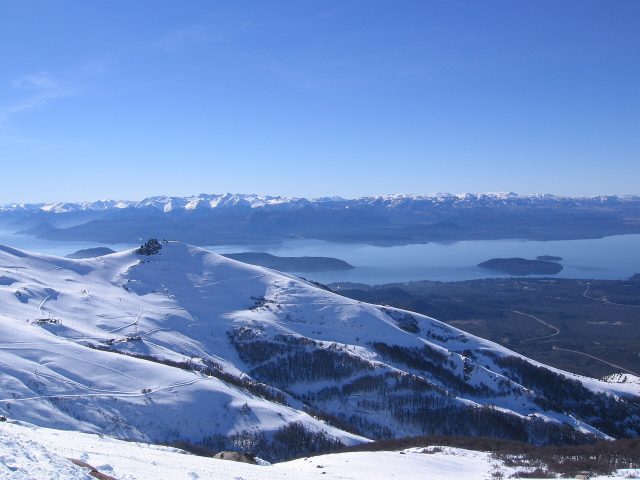
At the heart of the park lies Lake Nahuel Huapi itself, a massive body of water spanning over five hundred square kilometers. Its deep blue surface shifts with the light, turning nearly black under stormy skies or glowing turquoise in the midday sun. On clear days, the water is so transparent that boats seem to float in midair. The lake isn’t just a postcard-perfect sight—it’s alive with trout and salmon, and its shores are a haven for birds. Locals and visitors alike spend hours fishing from its banks or cruising its waters, watching the landscape unfold from a different perspective.
The mountains framing the lake tell their own story. While not as towering as the peaks farther south in Patagonia, they have a rugged charm all their own. Cerro Catedral, the most famous among them, gets its name from the jagged spires of its summit, which resemble the vaulted ceilings of a Gothic cathedral. In winter, it becomes a magnet for skiers and snowboarders, drawing crowds eager to carve down its slopes. Come summer, the same mountain transforms into a playground for hikers and climbers, with trails ranging from gentle forest walks to challenging ascents. Even a short stroll along the lakeshore can turn into an adventure if you’re lucky enough to spot a deer or catch a glimpse of a puma in the distance.
The forests here are quiet, almost reverent. Towering araucaria trees—locally called "monkey puzzle" for their tangled, spiky branches—stand alongside southern beech, cypress, and other native species. The underbrush is a tangle of ferns, mushrooms, and wildflowers, and the air is thick with the scent of pine and damp earth. Walking through these woods feels less like a hike and more like stepping into another world. Autumn paints the landscape in fiery hues, while spring brings bursts of color as everything blooms at once. It’s the kind of place where you might pause just to listen to the wind moving through the trees.
Though the park is remote, it has long been a draw for travelers, thanks in large part to the nearby town of San Carlos de Bariloche. Perched on the lake’s shore, Bariloche serves as the gateway to Nahuel Huapi, blending alpine charm with a laid-back Patagonian vibe. The town’s wooden and stone buildings, with their sloping roofs and flower-lined balconies, look like they’ve been lifted straight from the Swiss Alps. It’s famous for its chocolate, made using old-world recipes, as well as its artisanal cheeses and local wines. While tourism is a big part of life here, the town hasn’t lost its soul—there’s no rush, no crowds, just a sense of warmth and ease.
Nahuel Huapi isn’t just a place for adventure; it’s a place for reflection. The vastness of the landscape has a way of putting things in perspective, making everyday worries feel small. Maybe that’s why artists, writers, and dreamers have always been drawn here. Whether you’re sitting by a quiet cove on the lake or standing on a windswept ridge, time seems to stretch out, giving you space to think, or simply to be. Many who visit find themselves returning, as if trying to uncover some secret the place keeps just out of reach.
The park moves to its own rhythm, shifting with the seasons. Winter brings snow and silence, while summer fills the air with the hum of insects and the distant call of birds. But no matter the time of year, Nahuel Huapi retains a sense of wildness that’s increasingly rare. Unlike some of the world’s more famous parks, it never feels overrun, even in peak season. You can always find a quiet spot along the shore or a secluded trail where it’s just you and the landscape.
In the end, Nahuel Huapi is more than just a park—it’s a world unto itself. For some, it’s a place for adrenaline-fueled adventures; for others, a sanctuary for solitude. And for many, it’s simply a breathtaking view that lingers in the memory long after they’ve left. Maybe that’s the real magic of this place: it speaks in a language of wind, water, and stone, and all you have to do is listen.