San Carlos de Bariloche holds its past close, and the Church of San Carlos does so without fanfare. It stands on a low hill in the town center, its spire visible from the lakeside or the narrow streets of the old quarter. Built in the early 1900s, the church has seen Bariloche transform from a remote outpost into a town at the edge of Patagonia.
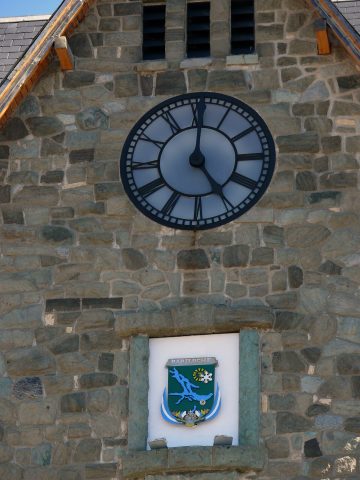
The architecture mixes European styles with local materials. From afar, the pointed arches and steep roof resemble a village church from the Swiss Alps or German countryside. Closer inspection reveals dark volcanic rock from nearby hills, its rough surface worn smooth by weather. Inside, wooden beams carry the scent of native cypress and coihue, polished by generations. The stained-glass windows, depicting saints in soft blues and reds, catch the same light that filters through the Andean forests outside.
Bariloche’s history is tied to European immigrants who arrived in the late 19th century. Most were Germans and Swiss, bringing farming techniques, chocolate recipes, and a vision of community. The Church of San Carlos was one of the first permanent structures in what was then a cluster of wooden cabins. Laid in 1903 and consecrated soon after, it became a symbol of stability in a place where life was uncertain. For early settlers, it was more than a place to pray—it was a gathering spot during blizzards, a refuge in hard times, and a link to the homes they had left.
Today, the church remains part of daily life. On Sundays, locals and visitors fill the pews, the air thick with incense and prayers in Spanish and German. During the week, it’s quieter—just the creak of floorboards or the rustle of a hymnal. December brings a different energy. The church is draped in garlands and candles, and the square outside becomes a small market. Vendors sell hand-knit scarves, spiced wine, and *alfajores* dusted with sugar. Children weave between stalls, and musicians play folk tunes under strings of lights.
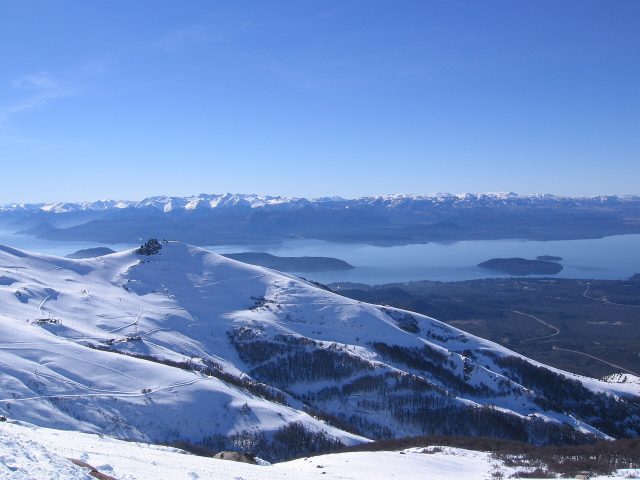
The area around the church is worth exploring. From the steps, Nahuel Huapi Lake stretches toward the horizon, framed by the Andes. The view is best at dusk, when the mountains turn pink and gold. Nearby cafés serve hot chocolate with whipped cream, a nod to Swiss heritage. Shops sell wooden figurines and woolen ponchos in earthy tones, their wares spilling onto the sidewalk. In the evenings, the square hums with conversation, guitars, and laughter.
The church doesn’t stand out for its size or decoration. It feels like part of the landscape, as if it grew from the hillside. There’s no pretension here—just a quiet authenticity. People return for reflection, history, or to stand in its shadow and look over the lake.
Bariloche often feels like a postcard, but the Church of San Carlos reminds you it’s a real place. It anchors the town, a steady presence amid constant change—the shifting light on the water, the wind through the trees, the travelers passing through. Sit on its steps or light a candle inside, and it offers something rare: stillness.