
San Carlos de Bariloche
Argentina · 8 places
Photo: Dario Alpern, CC BY-SA 4.0
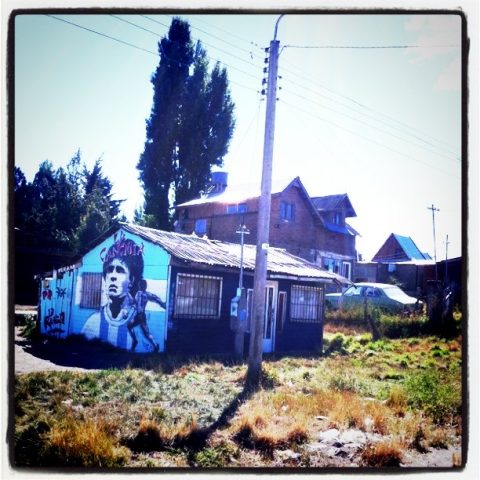
Bariloche sits where the Andes meet the vast skies of Patagonia, a town that feels both familiar and wildly remote. The first thing you notice is the light—crisp and bright, bouncing off the snow-capped peaks and the deep blue waters of Nahuel Huapi Lake. The streets are lined with Alpine-style chalets, their wooden balconies draped in ivy, and the scent of chocolate drifts from old-fashioned confectioneries where recipes have been perfected over generations. It’s easy to see why people call this the Switzerland of Argentina, but that comparison only tells half the story. Step beyond the tourist hubs, and the town reveals its wilder side: jagged ridges, dense forests, and the kind of silence that makes you realize how small you are in this landscape.
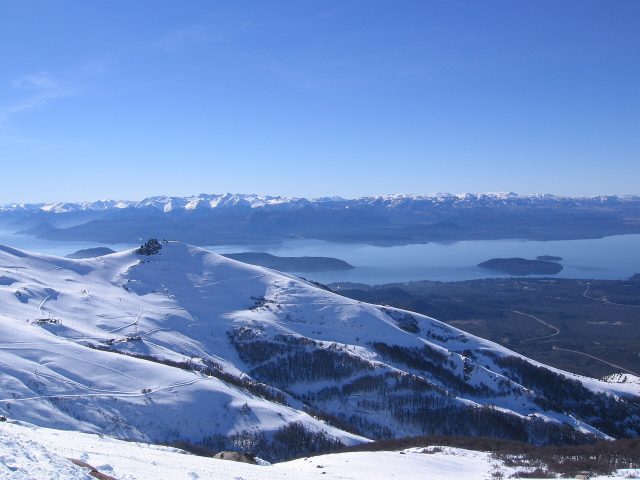
The lake is the heart of Bariloche, stretching over fifty miles and shifting color with the hours—pale turquoise at dawn, inky blue by midday, and almost black under storm clouds. In summer, kayakers glide across its surface, while in winter, the shoreline turns into a quiet vantage point for watching snow dust the pines. The surrounding Nahuel Huapi National Park is a maze of trails, some leading to hidden waterfalls, others to viewpoints where the only sounds are the wind and the occasional cry of a condor circling overhead. The park’s volcanic soil gives the earth a reddish tint, and the air carries the sharp, resinous scent of lenga trees. Locals will tell you the best time to explore is autumn, when the forests blaze with gold and the mushrooms are ripe for picking.
For all its charm, Bariloche is also a gateway to the raw, untamed Patagonia that lies beyond. From here, you can set off toward glaciers that groan under their own weight or hike to high-altitude lakes where the water is so clear it’s almost invisible. The Cerro Catedral ski resort, just a short drive from town, draws crowds in winter with its steep runs and powdery slopes, but even in summer, the gondola ride to the summit is worth it for the views alone—endless ridges fading into the horizon, with the lake a shimmering ribbon far below. Those who prefer solitude can follow lesser-known paths where the only footprints in the snow might belong to a guanaco or a fox.
Yet for a town that sees so many visitors, Bariloche never feels rushed. Mornings start slowly, with locals sipping coffee at sidewalk cafés or browsing the stalls at the craft market. Evenings bring live music to the bars, where the playlists jump from Argentine rock to folk ballads, and the beer—brewed with local hops—is as much a part of the culture as the chocolate. The town’s Swiss and German roots are still visible in the architecture and the fondue pots, but the spirit here is unmistakably Patagonian: laid-back, resilient, and deeply connected to the land.
What makes Bariloche special is its ability to be two places at once. One day, you might wander the cobbled streets, stopping for a slice of torta negra in a café with a fireplace. The next, you could be hiking through a valley where the only signs of human life are the occasional rusted fence post or a lone ranger’s hut. It’s a town that doesn’t try to impress—it simply exists, offering whatever you’re looking for, whether that’s a quiet corner by the lake or the thrill of standing on a ridge with nothing but wind and sky around you. That balance, between comfort and wilderness, is what keeps people coming back.
See & Do
8 places
Places on the map
Marker colour follows the categoryClimate and weather
Detailed weather: San Carlos de Bariloche- Average temperature
- 9 °C
- Precipitation per year
- 776 mm
Average air temperature
°C
16
16
13
9
5
3
2
3
6
8
12
14
Jan
Feb
Mar
Apr
May
Jun
Jul
Aug
Sep
Oct
Nov
Dec


