San Carlos de Bariloche’s main square is where the city breathes. It sits in the heart of this Patagonian town, a space locals and visitors share. The square isn’t large—just enough room for benches, flowerbeds, and pigeons that dart between them. On any day, children chase the birds, elderly couples sip mate on the benches, and tourists adjust their backpacks before heading into the mountains. The scale is small, the kind of place where you might talk to a stranger or watch the world pass by.
The architecture around the square shows Bariloche’s layered identity. The buildings have wooden balconies, steep roofs, and pastel facades that echo Swiss alpine villages. But Patagonian reality appears in the rough stone foundations, the utilitarian café signs, and street vendors selling wool socks. This mix of refined and rustic gives the square its character.
Bariloche’s history is young. The square has been at its center since the town took shape in the late 1800s. Originally a stopping point for settlers and traders crossing the Andes, it grew as the community expanded. By the early 20th century, it was the hub of local life—where farmers sold goods, festivals were held, and news spread quickly. Today, it still gathers people, though the crowds now include skiers in winter and hikers in summer.
At the square’s center stands a statue of General Justo José de Urquiza, a 19th-century Argentine leader. For most visitors, it’s just a monument. For locals, it’s a nod to national history, a reminder that even here, in this remote corner, Argentina’s identity is present. The statue is surrounded by seasonal flowers—tulips in spring, petunias in summer, chrysanthemums in autumn. In winter, snow dusts it, giving it a quiet, timeless look.
The square is where Bariloche’s cultural life spills into the open.
In warmer months, musicians play folk tunes or rock covers near the benches. During the holidays, Christmas lights hang between lampposts, and mulled wine scents drift from cafés. On ordinary days, teenagers share mate, and street performers juggle for change. Small moments feel significant here.
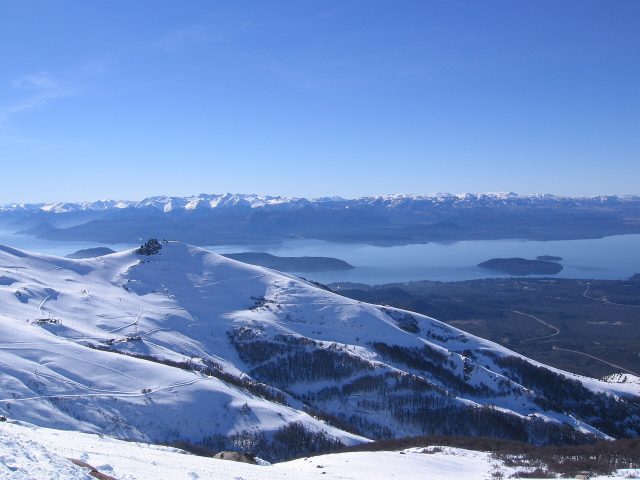
From the square, the lakefront is a short walk away. Nahuel Huapi’s waters stretch toward distant mountains. Nearby cafés serve grilled meats, empanadas, and fondue, a nod to Swiss roots. A few blocks farther, the local market offers smoked cheeses, wild honey, and wooden crafts. The square ties the town’s rhythms together.
What makes the square special is how it feels. There’s no rush. Locals meet friends, sip coffee, or watch the day unfold. Tourists linger, drawn in by the unhurried pace. You might talk to a shopkeeper or share a bench with a local guide. For many, it’s the first real taste of Bariloche—not the postcard version, but the everyday one.
The square changes with the seasons. Winter blankets it in snow, turning it into a holiday scene. Skiers pass through on their way to the slopes, children build snowmen. Summer brings warmth, blooming flowers, and the scent of fresh bread mixing with mountain pine. Even in autumn or early spring, there’s quiet beauty, a reminder that this place belongs to the land and its people.
Bariloche’s main square isn’t grand. There are no towering monuments, just a simple space where life happens. For some, it’s a brief stop. For others, it’s where they begin to understand what makes this town special. It leaves an impression because it feels real—a place where mountains, history, and everyday life come together, and where you slow down, even if just for a little while.