San Carlos de Bariloche is a town where the wild beauty of Patagonia meets the charm of alpine architecture, and at its heart lies the Museo de la Patagonia Francisco P. Moreno. Named after one of Argentina’s most influential explorers, the museum is more than just a collection of artifacts—it’s a quiet testament to the people, landscapes, and stories that have shaped this remote corner of the world. Francisco Moreno, often called Perito Moreno, was a man of many roles: a scientist who documented Patagonia’s natural wonders, a diplomat who helped define Argentina’s borders, and a passionate advocate for the region’s indigenous cultures. His legacy is woven into the museum’s very foundation, offering visitors a chance to step into the past and see Patagonia through his eyes.
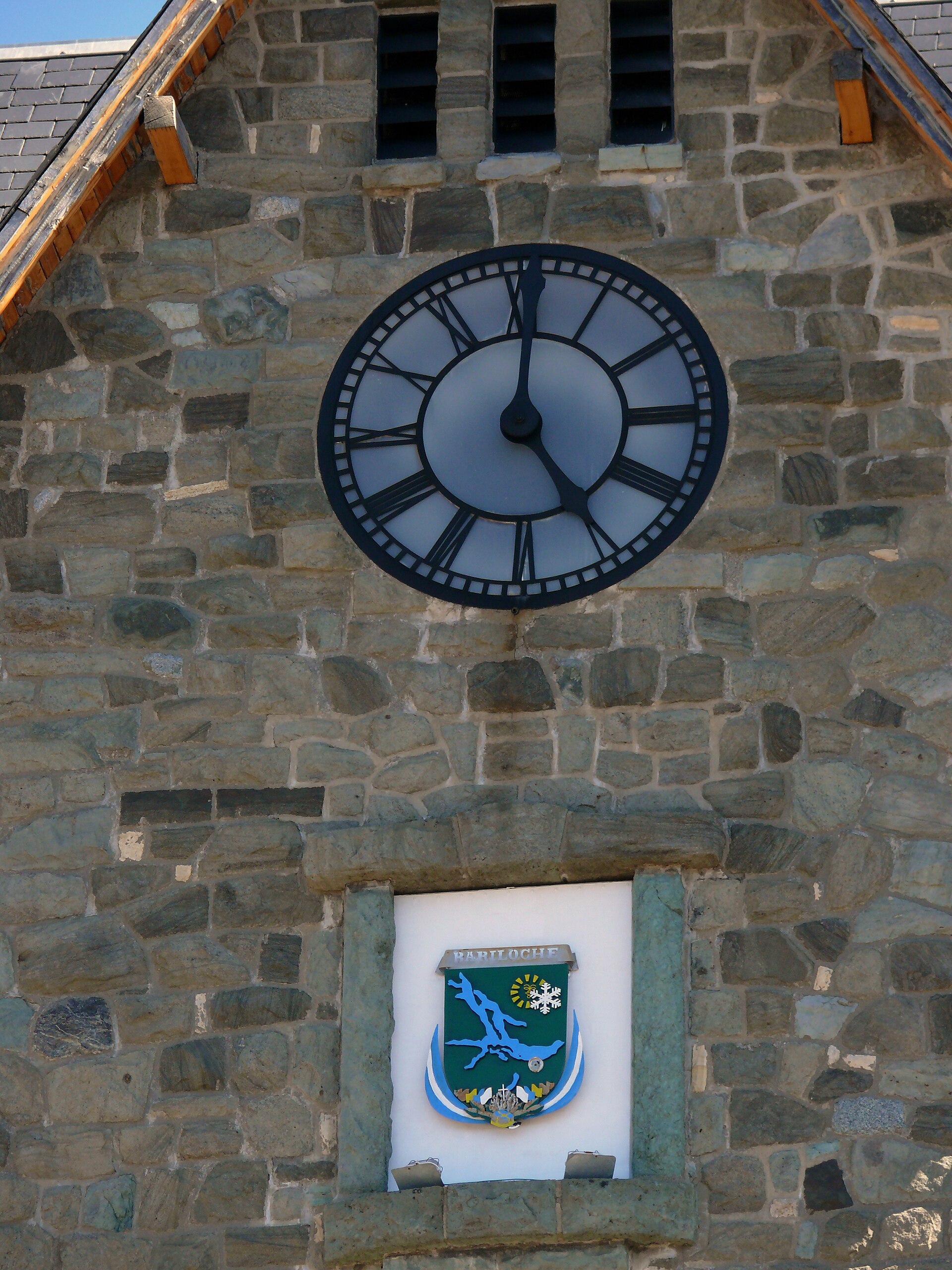
The building itself is unassuming, blending seamlessly with Bariloche’s architectural style—a mix of stone and wood that reflects both European influences and the rugged spirit of the Andes. Inside, the museum unfolds like a journey through time, beginning with the geological forces that carved Patagonia’s dramatic landscapes. The exhibits are thoughtfully arranged, avoiding overwhelming detail while still inviting reflection on how this land came to be. From the ancient glaciers that sculpted its valleys to the arrival of the first human inhabitants, the museum paints a picture of a place that has always been shaped by both nature and people.
One of the most compelling sections is the archaeology hall, where the lives of the Tehuelche and Mapuche peoples come to life. Tools, pottery, and jewelry offer glimpses into daily existence long before European settlers arrived, while reconstructed dwellings and scenes of traditional life help bridge the gap between past and present. Some displays include early 20th-century photographs and recordings, capturing moments when these cultures were still thriving. It’s a rare opportunity to see Patagonia as it once was, before modernization altered its rhythms.
The natural history exhibits are equally engaging, showcasing the region’s unique wildlife. Mounted specimens of guanacos, rheas, and even a puma stand alongside displays explaining how glaciers once dominated the landscape. Patagonia is often imagined as endless plains, but the museum reminds visitors of its icy past, with interactive models demonstrating how moving ice shaped the lakes and valleys that now draw travelers from around the world. The contrast between the stark beauty of the steppes and the frozen grandeur of the Andes is a recurring theme, one that defines the region’s identity.
The story of Patagonia’s colonization is told through personal narratives, with documents, photographs, and everyday objects illustrating the lives of those who ventured here in search of a new beginning. A particularly fascinating section focuses on the construction of the railroad that once connected Bariloche to the rest of Argentina. Built in the early 1900s, the railway symbolized hope for the region’s future, though its impact was more complicated than its planners envisioned. The museum doesn’t romanticize this era but instead presents it as a chapter in a larger story of adaptation and resilience.
A dedicated space honors Francisco Moreno himself, where his personal belongings—diaries, maps, and scientific instruments—offer a glimpse into his work. His writings, filled with observations of the land and its people, reveal a man deeply connected to Patagonia. Beyond his scientific contributions, Moreno played a crucial role in diplomacy, helping to negotiate the border between Argentina and Chile without bloodshed. A copy of the treaty he helped draft is displayed here, a quiet reminder of how one person’s efforts can shape history.
For locals, the museum is a place of connection, a way to understand the roots of their culture. For visitors, it’s an introduction to the layers beneath Patagonia’s breathtaking scenery. The museum doesn’t rely on grandeur or spectacle; its strength lies in its authenticity. Temporary exhibitions, lectures, and workshops keep the space alive, ensuring that it remains relevant to both residents and travelers. It’s a place where history feels tangible, where the past isn’t just remembered but experienced.
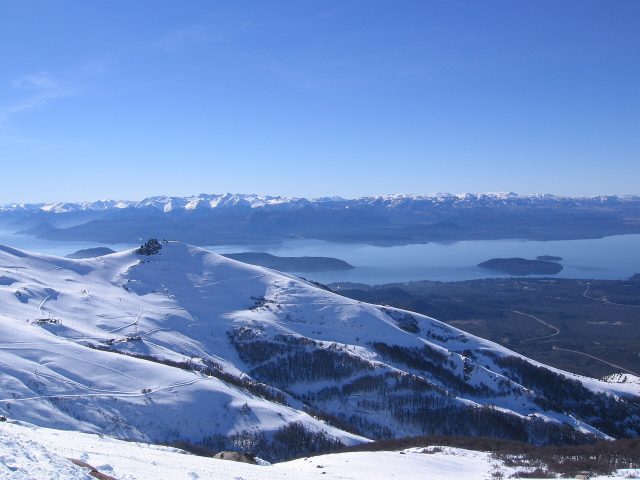
After exploring the exhibits, a walk through Bariloche feels like a natural extension of the visit. The town itself is a blend of influences—indigenous traditions, European immigration, and modern Argentine life—all set against the backdrop of Lake Nahuel Huapi and the surrounding mountains. The museum provides context for this mix, helping visitors see beyond the postcard-perfect views to the deeper stories that have shaped the region. Whether it’s the legacy of the first inhabitants, the dreams of settlers, or the enduring spirit of exploration, Patagonia’s past is as compelling as its present. The museum doesn’t just tell these stories; it invites you to feel them.