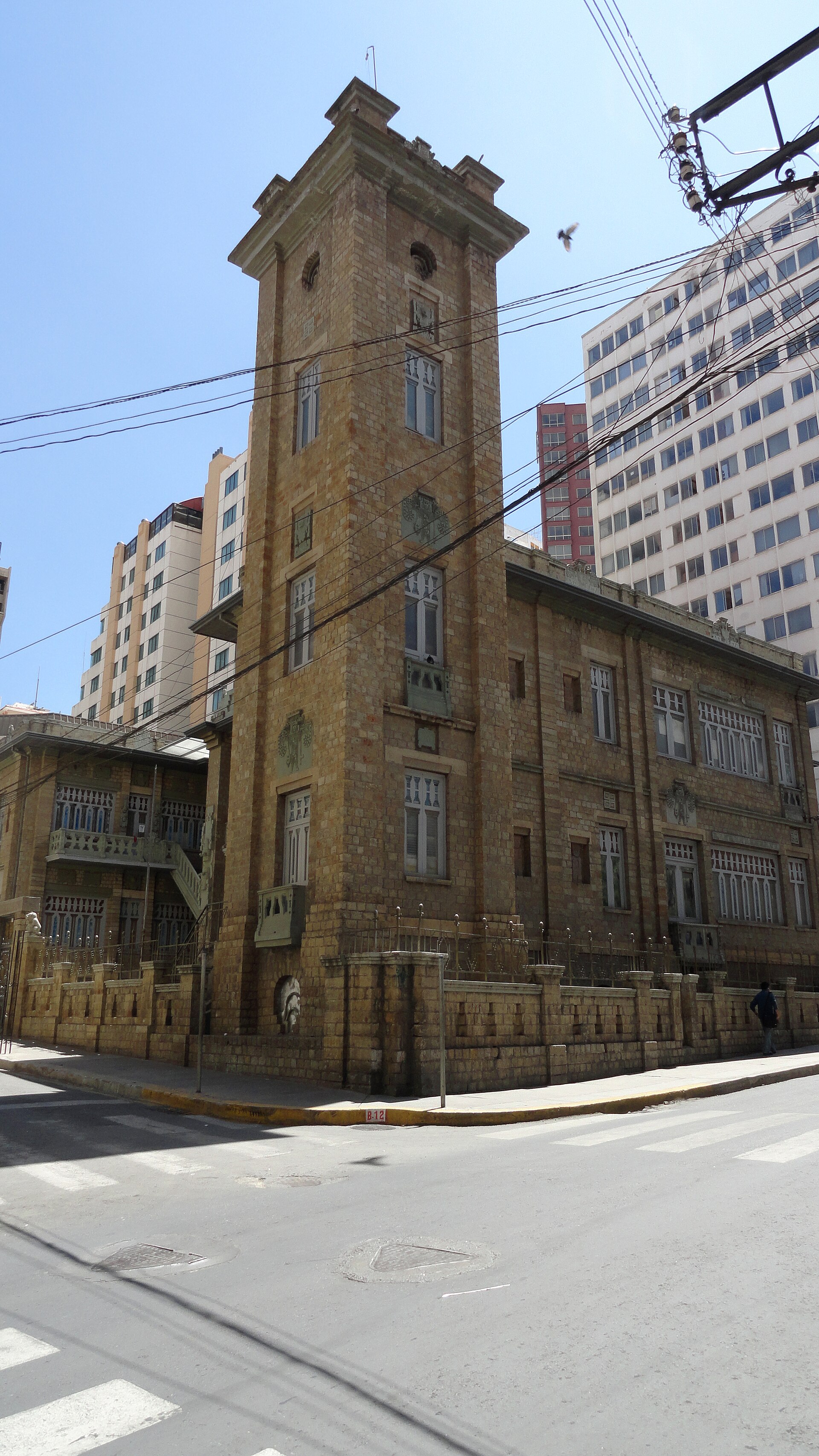
The National Museum of Archaeology in La Paz offers a quiet journey through Bolivia’s layered past, where history isn’t dramatized with reconstructions or digital displays but revealed through the weight of real objects. The museum is modest in size, yet its collection spans millennia, from the earliest human traces in the Andes to the rise of the Aymara and Inca empires. There’s no fanfare here—just the hushed atmosphere of galleries where the past feels tangible, as if the people who shaped these lands might still be present in the details of their craftsmanship.
At the heart of the museum’s collection are artifacts from Tiwanaku, the enigmatic archaeological site near Lake Titicaca that once served as the center of a powerful pre-Columbian civilization. The exhibits include intricately carved stone monoliths, whose purpose remains debated among scholars, as well as pottery, tools, and ritual objects that hint at the daily lives of the people who built this city. The monoliths, in particular, stand out—not just for their size, but for the mysterious symbols etched into their surfaces, symbols that still resist full interpretation. These pieces don’t just represent a lost culture; they embody the questions that continue to surround it.
A separate section is dedicated to the Inca Empire, which absorbed and expanded upon the achievements of earlier Andean civilizations. Here, visitors can see textiles, jewelry, and ceramics that demonstrate the Incas’ advanced craftsmanship, as well as more mundane items like storage vessels, weaving tools, and even children’s toys. These objects serve as a reminder that behind the grand narratives of conquest and empire were ordinary lives—people who cooked, worked, and raised families in the harsh highland environment. The museum doesn’t romanticize the past; it presents it as something lived, not just mythologized.
The colonial period is also represented, though not in the way one might expect. Instead of focusing solely on Spanish conquest, the exhibits highlight the collision and blending of two worlds. Catholic reliquaries crafted using indigenous techniques, weapons from the conquistadors, and early colonial documents reveal how Bolivia’s identity began to take shape. These artifacts don’t just tell a story of domination; they show how cultures adapted, resisted, and eventually merged into something new. The museum doesn’t shy away from the complexities of this era, offering a nuanced perspective on how modern Bolivia came to be.
The building itself is part of the experience. Located in La Paz’s historic center, it occupies a colonial-era house with thick adobe walls, wooden balconies, and a central courtyard where a fountain trickles softly. The architecture is unassuming, designed to let the exhibits take center stage. Inside, the galleries are sparsely decorated, with natural light filtering in to highlight the textures of stone and clay. There’s no modern clutter—just the quiet presence of the past, waiting to be observed.
What makes this museum different is its sense of intimacy. Unlike larger institutions, it doesn’t overwhelm visitors with sheer volume. Instead, it invites reflection, allowing each person to engage with the exhibits at their own pace. School groups often wander the halls, their teachers pointing out details, while older visitors linger over objects that seem to hold personal significance. For foreigners, the museum offers a rare glimpse into the depth of Bolivia’s history—a history that isn’t always visible in the country’s dramatic landscapes or bustling markets.
La Paz is a city of contrasts, where skyscrapers rise beside hillside shanties and colonial plazas sit just blocks from chaotic street markets. The National Museum of Archaeology is one of the few places where those contrasts fade into the background. Here, time moves slowly, giving visitors a chance to step outside the rush of modern travel and consider what it means to walk through a land shaped by so many layers of human experience. It’s not a place for quick photos or superficial impressions; it’s a place for quiet observation.
Of course, the museum isn’t grand in scale. There are no towering halls or blockbuster exhibits, and that’s precisely what makes it special. Without crowds or long lines, it feels more like a private collection than a public institution. The absence of flashy displays or pushy guides creates an atmosphere where the objects themselves can speak. And in a way, they do—through the craftsmanship of ancient potters, the symbols carved by long-forgotten hands, and the stories embedded in each artifact.
For those who want to understand Bolivia beyond its natural wonders, this museum is essential. It doesn’t claim to have all the answers, but it asks the right questions. And in doing so, it becomes more than a repository of the past—it becomes a bridge to the living culture that still shapes the country today.