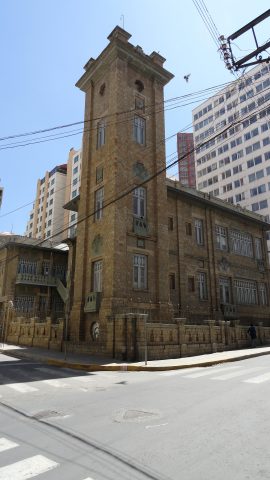
The Coca Museum in La Paz is one of those rare places where history, culture, and controversy intertwine in ways that challenge preconceptions. Tucked away on a quiet street in the heart of Bolivia’s administrative capital, it offers a perspective on the coca leaf that goes far beyond the headlines. This isn’t a place for sensationalism or moralizing—just a straightforward attempt to show how a single plant has shaped lives, traditions, and even politics in the Andes for centuries.
The story begins with the plant itself. Coca thrives where few other crops can, clinging to the thin air of altitudes up to four thousand meters. For generations, indigenous communities have relied on its leaves to stave off fatigue, hunger, and the dizzying effects of high-altitude living. The museum’s early exhibits trace this relationship, displaying dried leaves, antique harvesting tools, and woven *chuspa* pouches that have carried coca for rituals and daily use. There’s a quiet reverence in how the displays explain its role in Andean spirituality—how the Inca considered it sacred, how shamans still use it in ceremonies to cleanse and divine. It’s a reminder that for many, coca isn’t just a plant; it’s a bridge to the past.
Colonial history adds another layer. When Spanish conquerors arrived, they initially tried to suppress coca, seeing it as a pagan threat to Christianity. But pragmatism soon won out. The colonizers realized that coca kept indigenous laborers working longer in the silver mines, and so they encouraged its cultivation. The museum doesn’t shy away from this contradiction, presenting documents and engravings that show how coca became both a tool of oppression and a symbol of resistance. For indigenous peoples, it represented defiance—a way to hold onto their identity under foreign rule.
The modern section of the museum tackles the most contentious issue: coca’s transformation into cocaine. There’s no sugarcoating here. The exhibits acknowledge the global drug trade but shift the focus to the human stories behind it. Visitors learn how poverty and lack of alternatives drive farmers to grow coca despite legal risks, and how Bolivia’s government has tried to balance tradition with international pressure. One striking display shows that only a fraction of the coca harvest ends up in illegal markets; most is consumed locally as tea, medicine, or in rituals. It’s a nuanced take on a complex problem, one that avoids easy judgments.
Perhaps the most compelling part of the museum is its account of Bolivia’s fight for the right to use coca legally. In 2013, the country successfully lobbied to remove the ban on chewing coca leaves from a UN narcotics convention—a rare victory for indigenous rights. The exhibits include photographs of protests, official documents, and personal testimonies from farmers who see coca as more than a crop. For them, it’s a cultural cornerstone, something as essential as the land itself. The museum doesn’t claim to have all the answers, but it makes a strong case for why this plant matters beyond its infamous derivative.
The space itself is small, almost intimate, with a pace that encourages reflection. There are no flashy interactive displays or pushy guides, just well-curated information presented without fanfare. A small café at the back sells coca tea, offering visitors a chance to experience its mild, earthy flavor. The taste is subtle—slightly bitter, with a grassy aftertaste—but the effect is unmistakable. That gentle buzz of energy is familiar to anyone who’s spent time in the Andes, where coca tea is as common as coffee elsewhere. It’s a small but effective way to connect with the culture on a sensory level.
What makes the Coca Museum stand out is its refusal to take sides. It doesn’t glorify coca or vilify it. Instead, it presents the plant as a living paradox: a sacred tradition, a survival tool, a political flashpoint, and an everyday necessity. For travelers in La Paz, it’s a chance to see beyond the stereotypes and understand how deeply coca is woven into Bolivian life. The museum doesn’t offer easy conclusions, but it does something more valuable—it invites visitors to think critically about the stories we tell ourselves.
Stepping back onto the streets of La Paz, you notice coca everywhere. It’s sold in markets, pharmacies, and even by street vendors, packaged as dried leaves, tea bags, or candies. The museum doesn’t just end when you walk out the door; it lingers in the way you see the city. The debates around coca aren’t abstract here—they’re part of the fabric of daily life. And while the museum doesn’t claim to resolve those debates, it does something important: it humanizes them, showing that behind every headline is a history that’s still unfolding.