Port Campbell National Park is where the land doesn’t just meet the sea—it collides with it. Along this stretch of Victoria’s coastline, the Southern Ocean has spent millennia sculpting limestone into shapes that feel almost deliberate, as if nature had set out to create something both beautiful and unsettling. The park runs alongside the Great Ocean Road, a route that draws travelers not for its convenience, but for the way it forces them to slow down and pay attention. Here, the scenery isn’t just pretty; it’s alive, shifting with the light, the tides, and the wind.
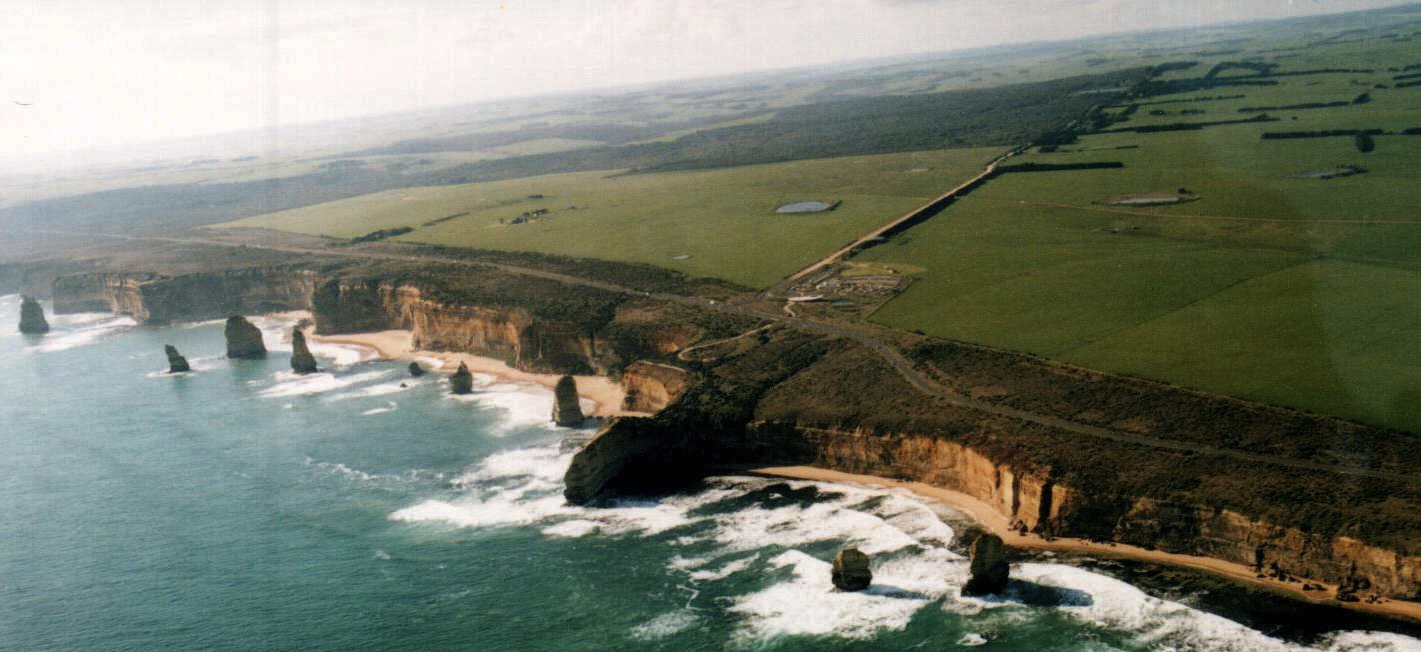
The most famous of these formations are the Twelve Apostles, though only eight remain today. Once part of the mainland, they were carved into freestanding pillars by the relentless work of waves and weather. At sunrise or sunset, the limestone glows in warm hues, while the ocean below churns against their bases with a sound like distant thunder. The Apostles are often photographed, but they’re best experienced in person—standing on the viewing platforms, watching the way the light changes the texture of the rock, or listening to the way the wind carries the salt spray. They won’t last forever. The same forces that created them are now wearing them away, grain by grain.
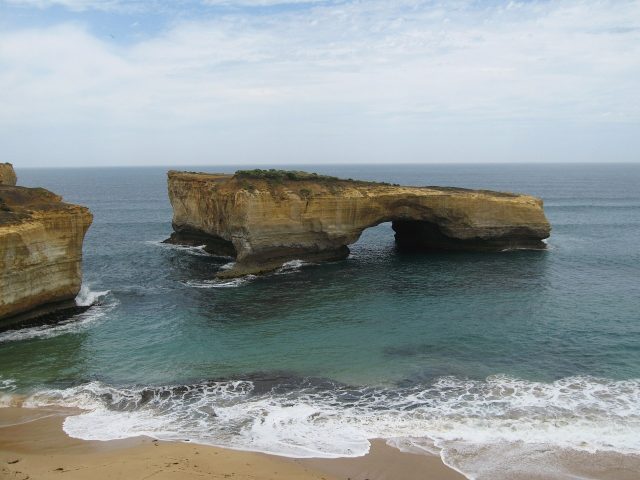
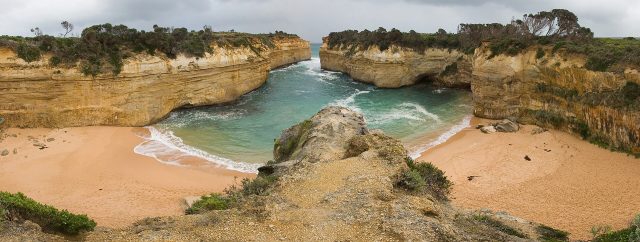
Further along the coast, other formations tell their own stories. Loch Ard Gorge is named after a ship that wrecked here in 1878, its hull torn apart by the same jagged rocks that now form a natural arch. On calm days, the opening frames the horizon like a painting; during storms, waves surge through it with enough force to send spray high into the air. Nearby, the Grotto is a small cave with wooden steps leading down to its damp, moss-covered walls. Inside, the air is cool and heavy with the scent of salt and seaweed. It’s a quiet place, one that feels removed from the world above, as if time moves differently here.
This coastline has always been treacherous. In the 19th century, ships frequently ran aground in the fog or were dashed against the rocks by strong currents. The wreck of the Loch Ard is the most well-known, but it wasn’t the only one. Some of the remains can still be seen at low tide, half-buried in the sand, a reminder of how easily human plans unravel in the face of nature. Locals sometimes speak of hearing voices on still evenings—whispers carried on the wind, or the distant sound of a ship’s bell. Whether it’s the wind playing tricks or something more, the stories linger.
The park isn’t just about the rocks. The land here is tough, shaped by salt-laden winds and thin, rocky soil. Hardy plants cling to the cliffs, and seabirds nest in the crevices. Offshore, dolphins sometimes surface near the rocks, and in winter, migrating whales pass by, their spouts visible from the shore. Walking trails lead to Gibson Steps, where the beach is home to a colony of little penguins. At dusk, they waddle ashore after a day of fishing, their small forms silhouetted against the waves.
The park feels different depending on the season. In summer, it’s crowded with visitors—people snapping photos, wading in the shallow pools, or simply standing at the lookouts, trying to take it all in. The light is bright, the air warm, and the ocean a deep, inviting blue. But winter is when the place reveals its true character. The wind howls, the waves crash higher, and the sky hangs low and gray. There’s a raw, almost primal energy to it, as if the land is reminding you who’s really in charge.
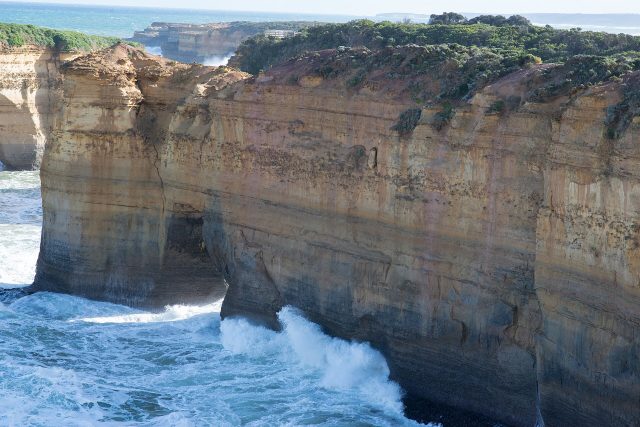
What makes Port Campbell National Park memorable isn’t just the scenery, though that’s undeniably part of it. It’s the way the place makes you feel—small, but not unwelcome. There are no grand hotels here, no tourist traps, no distractions. Just the sound of the ocean, the cry of gulls, and the slow, inevitable work of time. The Apostles won’t stand forever. The arch at Loch Ard Gorge will one day collapse. Even the cliffs are eroding, bit by bit. Every visit is a chance to see something that won’t be here in the same way again.
If you come here, don’t rush. Stand at the lookout and watch the way the light shifts across the rocks. Listen to the rhythm of the waves. Stay until the sun dips below the horizon and the limestone turns from gold to shadow. It’s in these quiet moments that the place really gets under your skin. Australia has plenty of beaches and cities, but it’s the wild, untamed corners like this one that leave the deepest impression. Here, nature isn’t just something to look at—it’s something to feel.