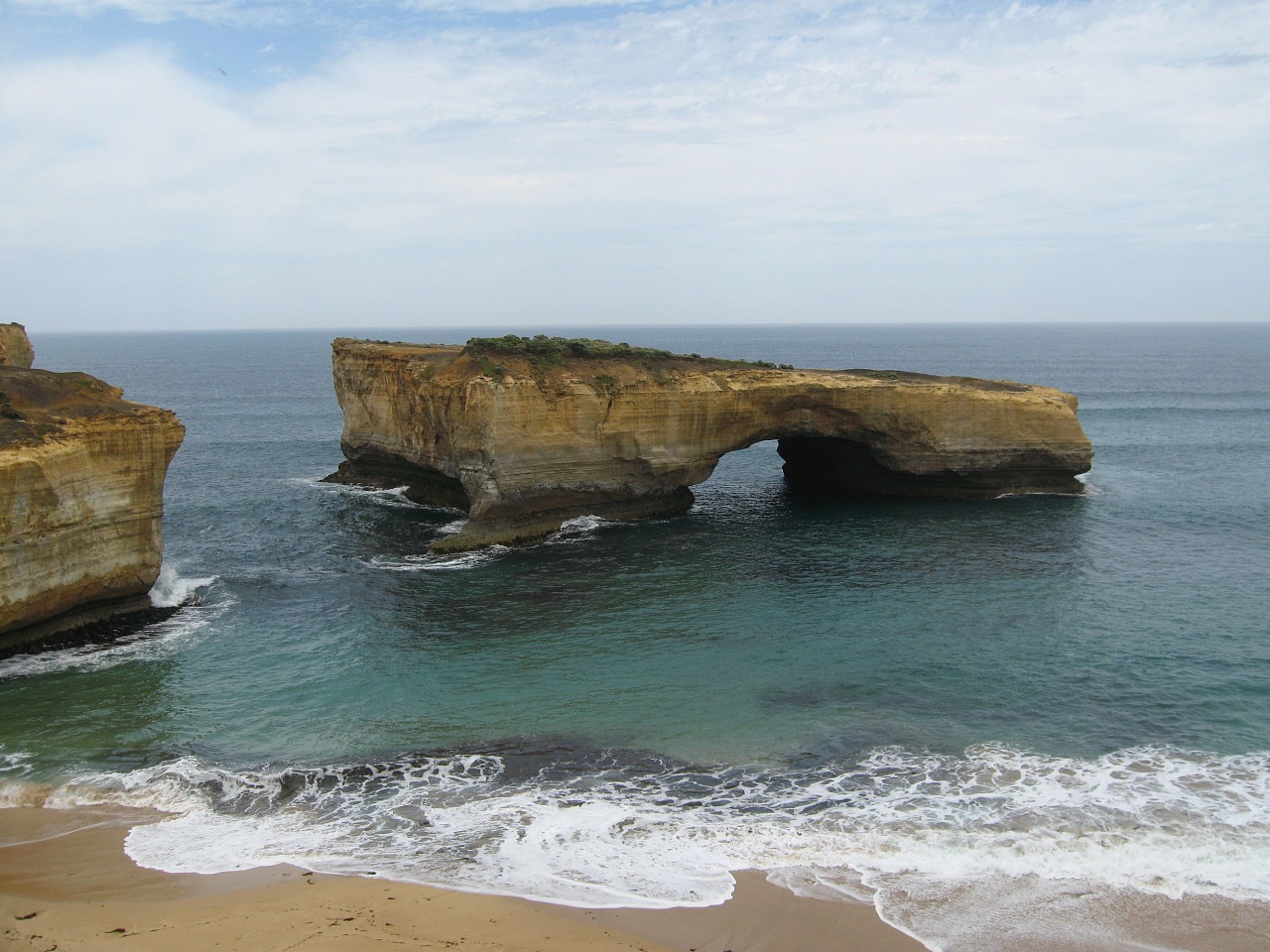
London Arch is one of those places that feels almost deliberately designed to remind you of nature’s quiet power—and its indifference. Standing on the edge of Port Campbell National Park in Victoria, this limestone formation has long been one of the most recognisable landmarks along the Great Ocean Road. Its shape, an arch carved by the sea, draws visitors from all over, but the real story of this place is less about its beauty and more about the slow, relentless forces that created it—and will one day erase it.
Decades ago, what we now call London Arch was part of a larger rock formation known as Judith’s Peak. Back then, it wasn’t a single arch at all, but two separate stacks connected by a natural bridge. Locals called it London Bridge, a nod to its resemblance to the famous Thames crossing. For years, the structure held firm, a curiosity for passing travellers. But limestone is soft, and the Southern Ocean is patient. Wind, salt, and waves worked away at the rock, grain by grain, until one January morning in 1990, the bridge collapsed. No one was hurt, though two tourists had to be airlifted to safety after finding themselves stranded on the wrong side. What remains today is a single, solitary arch, standing where the bridge once was.
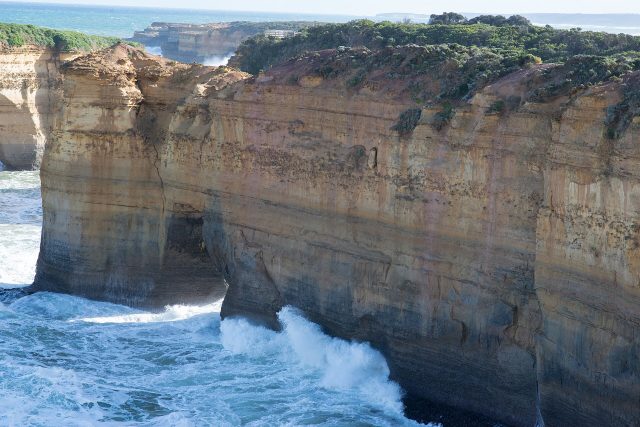
The ocean hasn’t finished with it yet. At low tide, you can walk close enough to see the layers of sediment in the rock, the way the water has hollowed out its base. But the tide turns quickly here, and the currents are unpredictable. Geologists say the arch loses a few millimetres every year, and in time, it too will fall. It’s not a question of if, but when. The same fate has already claimed other formations along this coast, leaving behind only stumps where once there were towers. London Arch is just the latest in a long line of temporary wonders.
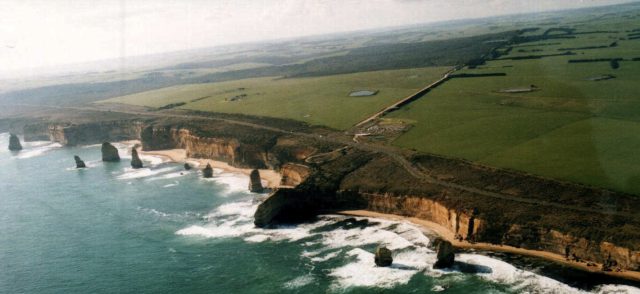
It’s not alone, either. The coastline here is dotted with other limestone stacks, each with its own name and legend. The Twelve Apostles, just down the road, are the most famous—though, despite the name, only eight remain. Like London Arch, they’re slowly being worn away by the elements. Tourists flock to see them before they’re gone, as if bearing witness to something fleeting. There’s a strange comfort in that, in knowing that even the most solid things are only temporary. The ocean doesn’t care about permanence.
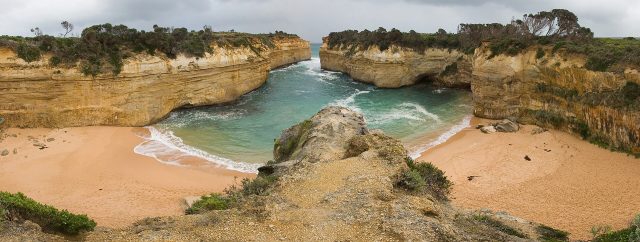
The best way to see London Arch is as part of a longer walk through Port Campbell National Park. There are viewing platforms built into the cliffs, offering wide, unobstructed views of the arch and the water below. On a clear day, the ocean is an impossible blue, the waves crashing against the rocks with enough force to send spray high into the air. In winter, the swells are bigger, the wind sharper, and the whole scene feels wilder. Summer brings crowds, not just for the rock formations but for the beaches, though swimming here is risky—riptides are common, and the water is colder than it looks.
For the people who live in nearby towns like Port Campbell and Princetown, London Arch is more than just a tourist attraction. It’s a piece of local history, a reminder of how quickly the land can change. Older residents still tell stories about the day the bridge collapsed, about the rescue operation, about the way the landscape looked before. Those stories get passed down, becoming part of the place’s identity. In a way, the arch has come to symbolise something larger: the way nature moves at its own pace, and how little control we have over it.
Sunset is the best time to visit. As the light fades, the arch glows gold, then pink, then deep orange, the colours shifting with the angle of the sun. Photographers line up along the cliffs, trying to capture the moment, but no image can really convey what it’s like to stand there, the wind in your face and the sound of the ocean below. It’s one of those places that feels both ancient and fragile, as if you’re witnessing something that won’t be here much longer.
In recent years, authorities have restricted access to some parts of the coastline to slow the erosion. Fences and signs warn visitors to keep their distance, though the arch is still visible from a safe vantage point. It’s a necessary precaution—limestone is soft, and the cliffs are unstable—but it also serves as a reminder that this isn’t a theme park. The coast is alive, constantly shifting, and what you see today might not be here tomorrow.
If you’re driving the Great Ocean Road, London Arch is worth stopping for. Not just for the view, but for the way it makes you think about time. About how quickly things change, and how little we notice until they’re gone. There’s no rush here, no pressure to take the perfect photo. Just the ocean, the wind, and the rocks—standing as they have for thousands of years, knowing they won’t last forever.