The Grotto is one of those places along Victoria’s coastline that feels almost too perfect to be real. Carved by the ocean into the limestone cliffs, it looks like a scene from an adventure film—an arched entrance leading into a small cave where, on calm days, the water inside forms a perfect mirror of the sky. The effect is most striking at sunset, when the light turns the rock walls golden and pink, filtering through a narrow opening in the ceiling to cast shifting patterns of shadow and reflection.
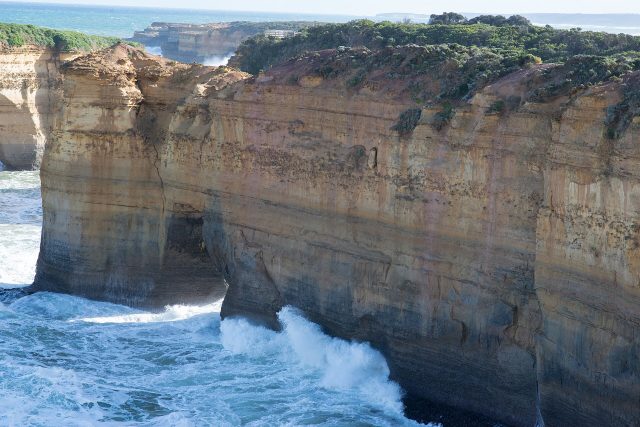
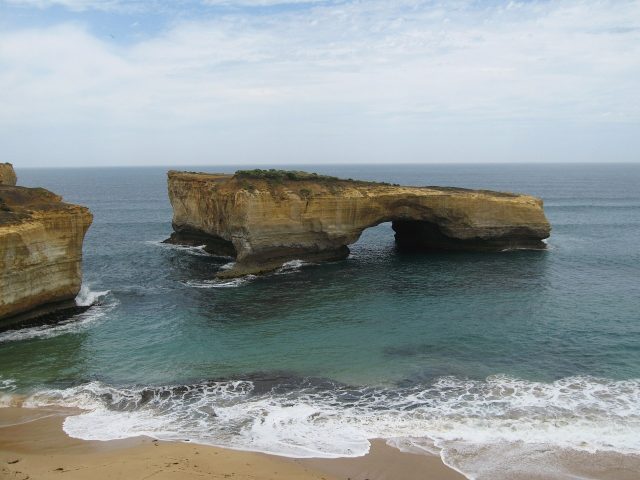
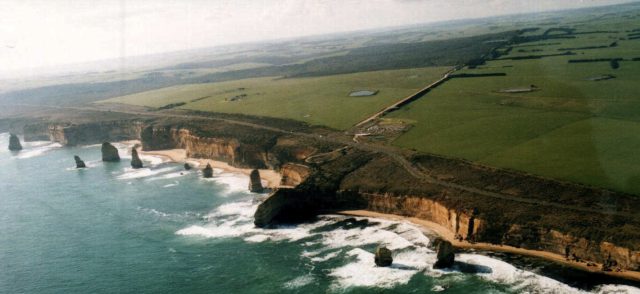
This stretch of coast, part of Port Campbell National Park, is famous for its dramatic rock formations, shaped over millions of years by wind and waves. The Great Ocean Road winds past towering cliffs, sea stacks, and hidden caves, each one a testament to nature’s slow, relentless work. While the Twelve Apostles and London Arch draw the biggest crowds, the Grotto offers something quieter. There are no tour groups here, no queues for the best photo spot—just the sound of the ocean and the chance to sit on the rocks, watching the light change.
Reaching the Grotto takes a little effort. From the car park, a wooden staircase leads down to a narrow path along the cliffs. The walk isn’t long, but the rocks can be slippery in the rain, and the wind off the ocean is often sharp. Even on a stormy day, though, the sight is worth it. When the waves are rough, they crash against the cliffs with a deep roar, filling the cave with spray. On still days, the water inside is so calm it looks like glass, reflecting the sky as if the world has been flipped upside down.
The story of the Grotto is written in the rock itself. The limestone cliffs along this coast formed from the remains of marine creatures that lived here around 20 million years ago. Over time, layers of fossilised shells and coral were lifted above the sea, only to be worn away by erosion. The Grotto is just one small chapter in that ongoing process. Who knows how many more caves like it will appear—or vanish—over the next few thousand years.
For the Kurnai people, the traditional custodians of this land, this coastline was sacred. They called it *Killalpaninna*, meaning "the place where waters meet," where freshwater rivers flowed into the saltwater ocean. The cliffs and caves were seen as homes of spirits, thresholds between worlds. While there’s no direct mention of the Grotto in their stories, it’s easy to imagine how a place like this might have felt like a doorway to something greater. Today, visitors come for photographs and the thrill of discovery, but the sense of mystery lingers.
Unlike many tourist spots, the Grotto doesn’t come with a script. There are no guided tours, no signs telling you where to stand, no gift shops selling postcards. You can arrive at dawn, when the first light spills into the cave, or stay until dusk, when the ocean turns dark and the shadows stretch long. In those quiet moments, it’s not hard to feel like you’ve stepped into another time—one where the world moved slower, and the sound of the waves was enough.
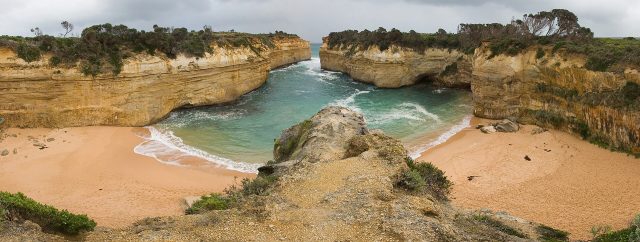
Even in peak season, the Grotto rarely feels crowded. Port Campbell National Park is vast enough that everyone finds their own corner. Some head to the Twelve Apostles, others to Loch Ard Gorge, while a few, like you, make their way here. Maybe that’s why it retains its magic. It doesn’t try to impress with grandeur or spectacle. It simply exists—quiet, unassuming, a little mysterious.
If you visit, bring something warm. The wind off the ocean cuts through even on summer days, and the cave stays cool. It’s best not to climb on the rocks or stand too close to the edge—the limestone is fragile, and collapses aren’t uncommon. Instead, find a spot on one of the boulders near the entrance and watch the light shift, the waves rise and fall, leaving behind trails of foam and seaweed.
The Grotto isn’t a place you can describe. You have to see it for yourself, feel the salt spray on your skin, hear the echo of the waves inside the cave. It doesn’t ask for much—just a little patience, a little respect. And perhaps that’s why it stays with you long after you’ve left.