Krujë’s foothills cradle Qafë Shtama National Park, a quiet expanse where the Albanian Alps begin their slow rise from the earth. The park unfolds across a thousand hectares of undulating terrain, where dense beech and oak forests give way to rocky slopes and sunlit clearings. In spring, wildflowers carpet the meadows; in summer, the canopy filters the sunlight into dappled shade. There are no crowds here, no guided tours with rehearsed scripts—just the steady rhythm of wind through leaves and the murmur of mountain streams cutting through the silence.
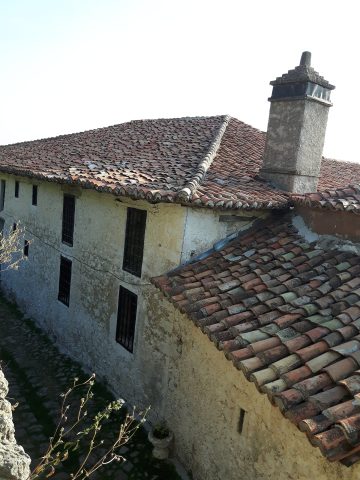
The land has always been a refuge. Centuries ago, traders moved through these passes, their mule trains winding along paths still visible today. During World War II, partisan fighters took shelter in the forests, their presence lingering in the crumbling stone walls of abandoned shepherd huts. The park itself was established in 1996, not just to protect the landscape but to preserve the layers of history embedded in it. You might stumble upon an old trail leading to a forgotten outpost or a cluster of moss-covered boulders that once marked a boundary. These traces remind you that the land has always been more than scenery—it’s a witness.
The forests of Qafë Shtama are among the best-preserved in Albania. Ancient beech trees, their trunks wide enough to shelter several people, stretch toward the sky, their leaves whispering in the breeze. The underbrush is thick with ferns and wild herbs, some rare enough to catch the eye of botanists. If you’re patient, you might spot a roe deer stepping cautiously through the undergrowth or hear the distant call of a fox. The streams here are clear, fed by springs high in the mountains, and in places they cascade over rocks into shallow pools where the water is so transparent it seems to disappear. Autumn turns the forest into a blaze of gold and russet, while spring softens the landscape with fresh green.
Hiking trails weave through the park, offering routes for different levels of experience. The most popular leads to the summit of Mount Skanderbeg, where the view opens up across the valley and the jagged peaks beyond. The path climbs gradually, winding past boulders and through stands of oak before emerging onto a ridge where the wind carries the scent of pine. Another trail follows the river, passing small waterfalls and caves carved into the limestone. The walks aren’t strenuous, but the mountain air can be deceptive—what feels like an easy stroll at first may leave you catching your breath by the end. Sturdy shoes and a bottle of water are all you really need.
There’s a particular kind of stillness in Qafë Shtama, the kind that makes you slow down without realizing it. You might spend an hour sitting by a stream, watching the water slip over smooth stones, or find a spot on a rocky outcrop where the only sound is the occasional cry of a bird. Locals sometimes come here to gather herbs or mushrooms, their presence fleeting, leaving no trace behind. On clear days, the Adriatic Sea glimmers in the distance, a thin blue line on the horizon. It’s the sort of place where time doesn’t just pass—it expands.
Winter transforms the park into something almost unrecognizable. Snow blankets the trees and rocks, muffling sound and softening edges. The trails become quieter, the air sharper. Few people venture here in the cold months, which makes it feel even more remote, as if you’ve stumbled into a landscape untouched by the outside world. The silence is deeper then, broken only by the crunch of snow underfoot or the distant creak of a branch bending under its weight. It’s a different kind of beauty, one that demands you slow down even more.
Qafë Shtama isn’t the kind of place you visit for luxury or convenience. There are no hotels, no restaurants, no signs pointing you toward the next attraction. What it offers instead is something harder to find: a sense of being part of the land rather than just passing through it. The park doesn’t cater to tourists—it simply exists, indifferent to whether anyone sees it or not. That indifference is its gift. Here, you’re not a visitor so much as a temporary inhabitant, free to wander, to sit, to listen.
If you come, it’s best to do so in the warmer months, when the roads are clear and the forest is alive with birdsong. The drive from Krujë takes you through villages where life moves at its own pace, past terraced fields and old stone houses. Once inside the park, there’s no infrastructure to speak of—no visitor centers, no marked picnic spots. You’ll need to bring your own supplies, though locals might offer directions or a story if you ask. The lack of amenities isn’t a drawback; it’s part of the experience. This is a place that asks you to meet it on its own terms.
What stays with you after leaving isn’t a checklist of sights seen or photos taken. It’s the memory of standing on a ridge with the wind in your face, or the way the light slanted through the trees in the late afternoon. Qafë Shtama doesn’t reveal itself all at once. It unfolds slowly, the way a landscape does when you’re not in a hurry. And that, perhaps, is why it feels like a discovery—because in a world where so much is mapped and measured, here is a place that still holds a little mystery.