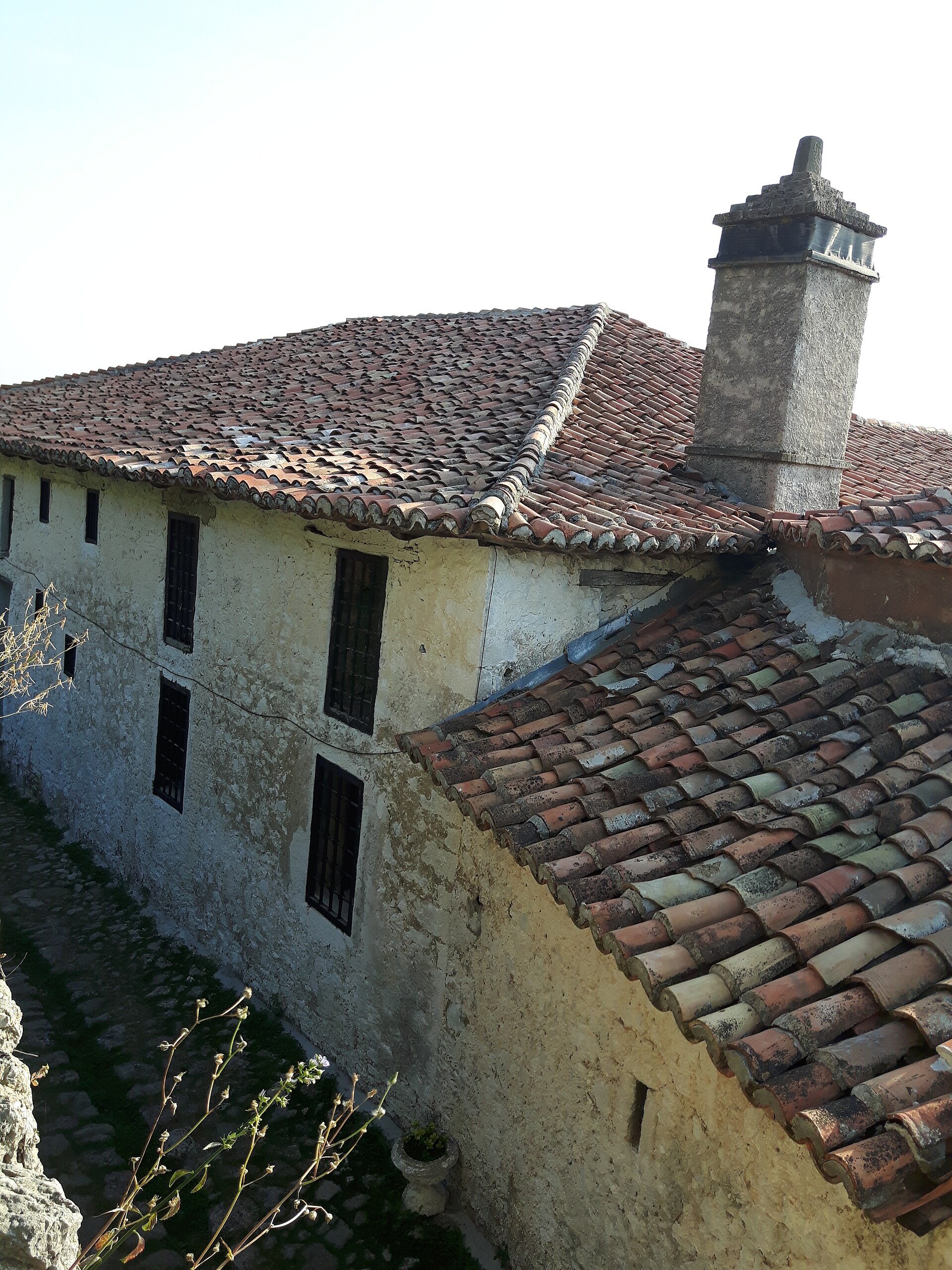
The Ethnographic Museum in Krujë offers more than just a glimpse into Albania’s past—it’s a doorway into the everyday lives of people who shaped this land over centuries. Housed in an 18th-century Ottoman mansion, the building itself is a piece of history, with its thick stone walls, intricately carved wooden balconies, and shaded inner courtyards. These features weren’t just for show; they reflected the practical needs of a large, hospitable household, where family and guests gathered in spaces designed for both comfort and tradition. The architecture tells its own story, one of craftsmanship and adaptation to the rhythms of daily life in a town that has always been a crossroads of cultures.
The mansion once belonged to the Toptani family, one of Krujë’s most prominent clans, whose influence stretched far beyond these walls. Walking through the rooms, you can still sense the original layout—a home built for functionality, where every space had its purpose. The living quarters, kitchen, storerooms, and workshops remain largely unchanged, offering a rare chance to see how a well-to-do family lived in this part of Albania. The sitting room, for instance, displays woven rugs and embroidered throws that weren’t just decorative but served a practical role, keeping out the winter chill. The bedrooms feature low wooden beds with coarse wool blankets, a reminder of how recently such simple furnishings were the norm. The kitchen, with its massive hearth and generations-old clay pots, speaks to the communal nature of meals, where food was prepared for large gatherings and shared with warmth.
Beyond the domestic spaces, the museum’s collection spans the tools and objects that sustained life in this region. Farming implements, spinning wheels, and looms reveal the labor that went into producing food and textiles, while displays of traditional clothing highlight the diversity of Albania’s regional cultures. Women’s dresses from the north burst with vibrant colors and intricate patterns, while those from the south favor more subdued tones. Men’s attire is equally distinctive, with wide-legged trousers, embroidered vests, and felt caps or fezzes that once signaled social standing. Each piece carries the weight of custom, showing how identity was woven into fabric and stitch.
Krujë’s history as a fortress town is impossible to ignore, and the museum’s collection of weapons underscores this legacy. Old rifles, daggers, pistols, and even cannons once used to defend the city line the displays, alongside armor and shields adorned with heraldic symbols. These aren’t just relics of conflict; they’re reminders of a time when Krujë stood as a bulwark against invaders, its walls echoing with the struggles of those who fought to preserve their way of life. The weapons, though silent now, carry the stories of resistance and resilience that define the town’s character.
What makes this museum special, though, is how it immerses visitors in the atmosphere of old Krujë. The inner courtyard, with its trickling fountain and stone benches, was once the heart of the home—a place where families gathered, work paused, and conversations flowed. Even today, the courtyard offers a quiet respite, cool in summer and sheltered in winter. It’s easy to imagine the sounds of children playing, the clatter of pots in the kitchen, or the murmur of men discussing the day’s affairs. Some rooms still bear traces of their original charm, like the floral and avian frescoes in the sitting room, remnants of Ottoman artistic influence that add a layer of beauty to the practicality of the space.
Unlike larger museums in the capital, this one doesn’t overwhelm with size or crowds. Instead, it invites a slower, more thoughtful exploration, where each object has room to speak. There’s no rush here—just the quiet hum of history unfolding through the things people used, wore, and cherished. It’s a place where the past feels tangible, not through grand narratives or dramatic events, but through the small, human details that often go unnoticed.
A visit to the museum pairs naturally with a stroll through Krujë’s old town, where the Ottoman era lingers in the narrow, cobbled streets and the wooden balconies of the houses. The town has a way of making time feel suspended, with its small shops selling handmade crafts and local goods, just as they might have centuries ago. From the museum, it’s a short walk to the fortress, where the views stretch across the town and the surrounding mountains. As evening falls, the scent of traditional Albanian dishes—slow-cooked stews, grilled meats, and fresh bread—drifts from nearby cafés, offering a taste of the region’s culinary heritage.
More than a collection of artifacts, the Ethnographic Museum is a conversation with the past. It reminds us that behind every object lies a story—a person’s labor, their creativity, their connection to a place and its traditions. In a world that moves too quickly, places like this offer a chance to pause, to reflect on where we’ve come from, and to understand the threads that bind us to those who came before. For anyone seeking to know Albania beyond its postcard images, this museum is a quiet revelation.