Krujë feels like a town suspended in time, and nowhere is that sense more vivid than in its old bazaar. Nestled at the foot of the fortress, the market is far more than a place to shop—it’s an open-air museum where every cobblestone, every shopfront, and even the scent of spices and coffee carries a story. The narrow lanes, paved with uneven stones, wind between low-arched galleries and workshops where craftsmen still work as their ancestors did centuries ago. There’s no modern gloss here, no neon signs or hurried crowds. Instead, the bazaar moves at its own unhurried pace, a living piece of Albania’s cultural fabric where Ottoman traditions, local customs, and the legacy of resistance intertwine. After all, this was once the domain of Skanderbeg, the national hero who defied the Ottomans from his stronghold above the town.
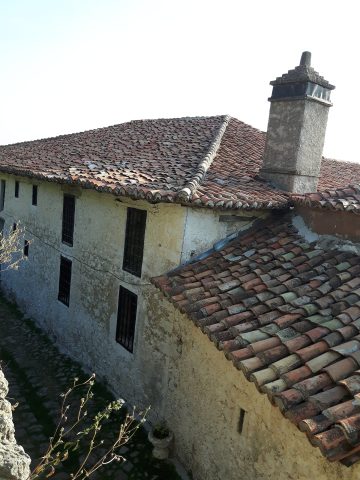
The architecture of the bazaar is a testament to history carved in wood and stone. Wooden balconies jut over the streets, their railings worn smooth by time, while covered walkways shield visitors from the sun and rain. Arched doorways lead into small shops where the past lingers in the original masonry, faded murals, and intricate carvings that have survived the centuries. Unlike a preserved museum exhibit, the bazaar is alive—its buildings bear the marks of daily use, their walls holding the echoes of generations. There’s a quiet dignity to the place, a sense that it has always been this way and always will be.
Trade has thrived here since the Ottoman era, and little has changed in the way business is done. The same families still sell handwoven carpets, embroidered linens, and ceramics adorned with traditional patterns. Copper and silver jewelry glint in the dim light of the shops, while wool and felt goods—staples of Albanian households—are stacked in neat piles. Some artisans still work using age-old methods, their hands moving with practiced ease over looms, chisels, or hammers. If you’re lucky, you might catch a craftsman in the middle of creating something new, the rhythmic clatter of tools filling the air. Prices here aren’t inflated for tourists; the focus is on preserving traditions rather than turning a profit.
Food is as much a part of the bazaar’s charm as the crafts. Small cafés and eateries serve dishes that have been cooked the same way for centuries. There’s *tavë kosi*, lamb baked with yogurt and eggs in a clay pot, or *flija*, a layered pancake dish drizzled with butter and served hot. The scent of freshly baked bread mingles with the aroma of grilled meat and spices, drawing you deeper into the maze of streets. Coffee is a ritual here—strong, thick, and served in small cups with the grounds settled at the bottom. Locals sip it slowly, lingering over conversations or simply watching the world go by. In the warmer months, tables spill onto the streets, turning the bazaar into an even more inviting space.
But the bazaar is more than just a place to shop or eat—it’s where the soul of Krujë reveals itself. History isn’t confined to plaques or guided tours; it’s woven into the fabric of daily life. Elderly men sitting on benches near the shops might share stories of the town’s past if you show interest. Artisans take pride in explaining the significance of their work, whether it’s the symbolism behind a particular embroidery pattern or the technique used to forge a copper pot. These moments make it clear that the bazaar isn’t just a tourist attraction—it’s a living, breathing entity that connects the past to the present.
Krujë and its bazaar are inseparable from the legacy of Skanderbeg, the 15th-century leader who became a symbol of Albanian resistance against the Ottomans. His fortress looms over the market, a constant reminder of the town’s defiant history. In Skanderbeg’s time, the bazaar wasn’t just a commercial hub; it was a gathering place where warriors, craftsmen, and farmers came to hear news or receive orders. That spirit of independence still lingers in the air, a quiet pride that permeates the streets. The bazaar doesn’t just commemorate history—it embodies it.
Time moves differently in Krujë’s bazaar. Mornings are quiet, with shopkeepers opening their stalls and artisans preparing for the day ahead. By midday, the streets fill with visitors, their voices blending with the sounds of bargaining and laughter. The air hums with activity, but there’s no rush—just the easy rhythm of a town that refuses to be hurried. As evening falls, the bazaar settles into a different kind of quiet, the kind that feels like a collective exhale. The lights dim, the crowds thin, and the town seems to pause, gathering its energy for the next day.
What makes the bazaar special isn’t just its history or its crafts—it’s the authenticity that’s increasingly rare in today’s world. There’s no polished tourist experience here, no scripted interactions or overpriced souvenirs. Instead, there’s the real Krujë: a place where people live, work, and go about their lives as they always have. You could spend hours wandering the lanes, peering into shops, sampling food, or simply watching the world go by. It’s in places like this that travel feels less like ticking off a checklist and more like stepping into a story that’s still being written. The bazaar doesn’t just show you Krujë—it lets you feel it.