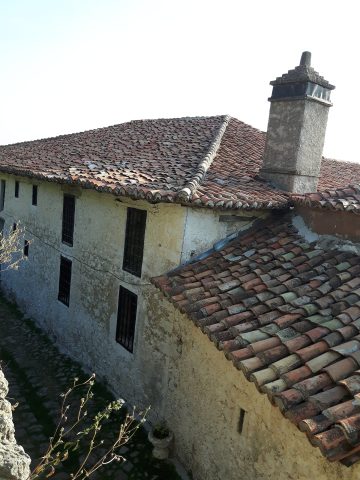
Perched on a rocky hill overlooking the town of Krujë, the Skanderbeg Museum is more than just a collection of artifacts—it’s a place where Albania’s past feels tangible. The museum sits within the walls of Krujë Castle, a fortress that has stood as a symbol of resistance for centuries. From its heights, the view stretches across the valley, where time seems to slow, and the echoes of history linger in the stone.
The museum itself opened in 1982, designed by architect Prishtina Rama to blend seamlessly with the medieval surroundings. Its structure resembles a traditional Albanian tower, with high ceilings and thick stone walls that evoke the era it commemorates. Inside, the exhibits unfold like a story, beginning with the broader context of 15th-century Albania—its culture, daily life, and the growing tension with the Ottoman Empire. The displays don’t just present facts; they immerse visitors in the world of Skanderbeg, the national hero who led Albania’s fight for independence.
At the heart of the museum is the legacy of Gjergj Kastrioti, better known as Skanderbeg. His name is synonymous with defiance, and the exhibits bring his struggles to life through weapons, armor, and maps of key battles. A replica of his iconic horned helmet—a symbol of strength—draws particular attention, though the original remains in Vienna. Personal items, letters, and engravings offer glimpses into his life, while detailed descriptions help visitors grasp why his leadership became a cornerstone of Albanian identity.
Yet the museum isn’t solely focused on war. It also paints a vivid picture of 15th-century Albanian society, with displays of traditional clothing, household tools, and jewelry. A collection of manuscripts and books reveals a society that valued literacy and learning, even amid constant conflict. These artifacts remind visitors that behind the battles, there was a culture that endured, preserving its language, customs, and sense of self.
The castle itself is a monument worth exploring. Its walls have witnessed centuries of history, from ancient fortifications to the sieges Skanderbeg endured. Walking along its ramparts, visitors can imagine the strategic importance of this stronghold. Within the grounds, remnants of Ottoman-era mosques and baths stand alongside a small church, a testament to the region’s layered past. The castle’s layout, with its narrow paths and hidden corners, invites curiosity, making it easy to picture the defenders who once stood guard here.
Beyond the museum, Krujë is a town that feels untouched by time. Its cobbled streets wind past stone houses with red-tiled roofs, while small cafés and workshops offer a taste of local life. Artisans here still craft traditional carpets, jewelry, and pottery, keeping centuries-old skills alive. The town’s unhurried pace and preserved architecture make it the perfect complement to the museum, offering a glimpse of how the past continues to shape the present.
For those interested in the Balkans, the Skanderbeg Museum is more than a stop on a tourist itinerary—it’s a chance to understand what shaped Albania. There’s no grandstanding here, just a straightforward presentation of history through objects that speak for themselves. The museum doesn’t just tell the story of a hero; it shows how a nation’s identity was forged in struggle and resilience.
Visiting the museum is an experience that lingers. The weight of the stone walls, the stories behind each artifact, and the quiet pride of the place leave a lasting impression. It’s a reminder that history isn’t just something read in books—it’s something felt, carried forward by those who remember.