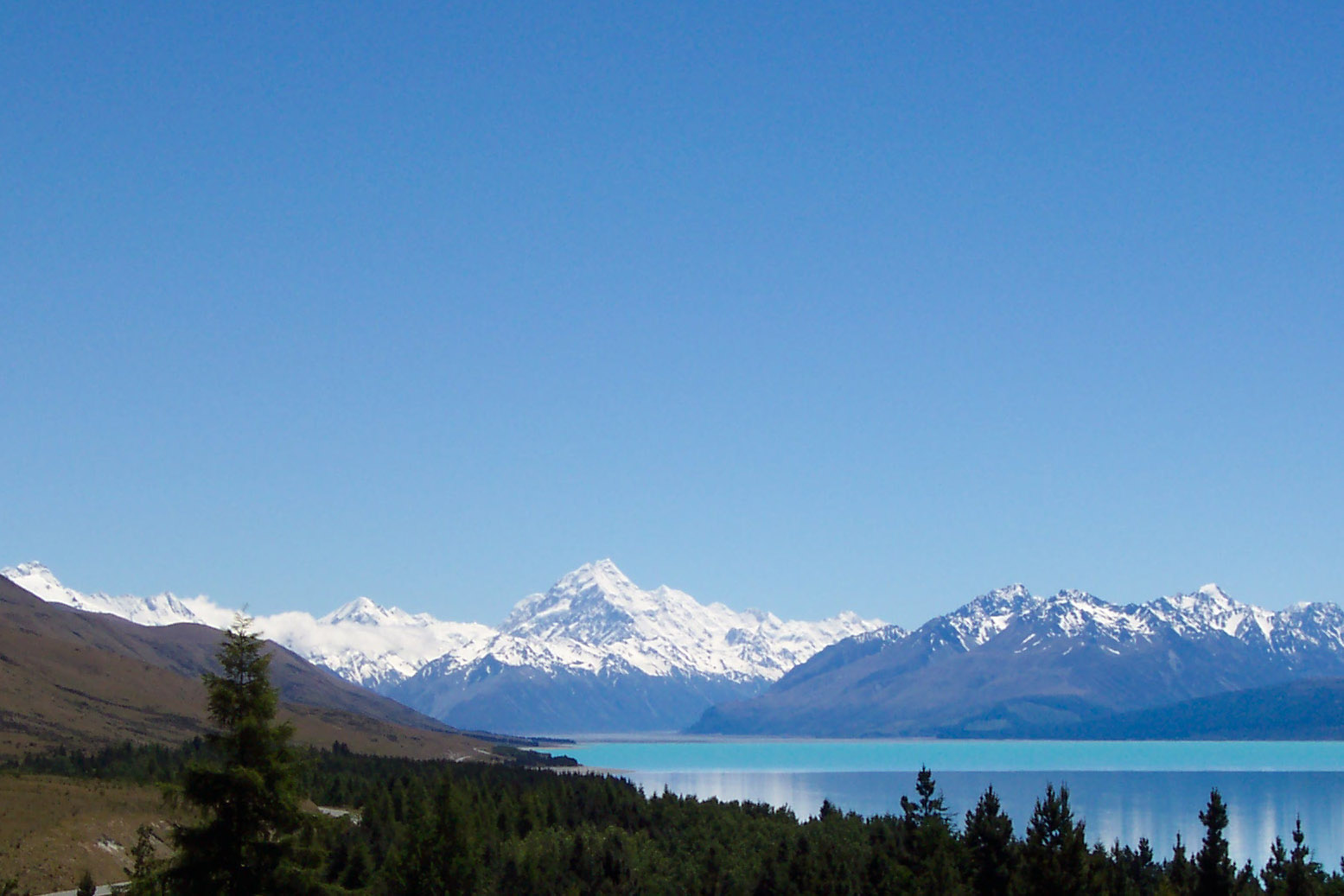
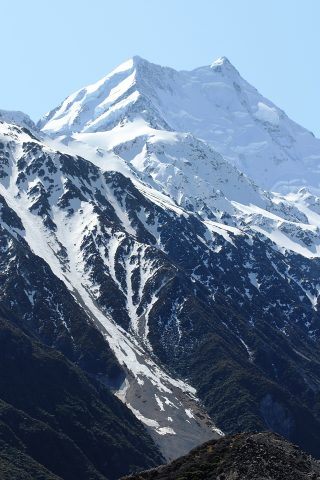
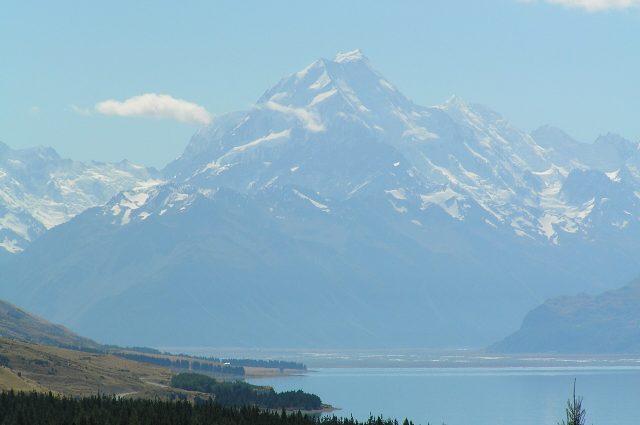
Aoraki/Mount Cook National Park is where the earth stretches upward to meet the sky in the most literal sense. Here, on New Zealand’s South Island, some of the planet’s most imposing peaks rise from the landscape, their sheer scale making the world feel untouched by time. The park takes its name from Aoraki, the country’s highest mountain, known to most as Mount Cook. For the Māori, this peak is sacred, born from legend when Aoraki, the son of the sky father Ranginui, and his brothers were turned to stone after their canoe capsized. Aoraki became the tallest of them all, frozen forever between the heavens and the land below.
Covering over seven hundred square kilometres, much of the park is dominated by glaciers, the most striking of which is the Tasman Glacier. Stretching twenty-seven kilometres, its slow-moving ice carves through the valley, feeding lakes with water so milky and pale blue it seems almost unreal. The colour comes from finely ground rock particles suspended in the meltwater, and on clear days, the reflections of the mountains in these lakes are so perfect they could be mistaken for a trick of the light. The effect is mesmerising, as if the landscape has been flipped upside down.
Long before European explorers arrived, Māori travelled through these mountains, using the passes for hunting and trade. The first European to lay eyes on Aoraki was Dutch navigator Abel Tasman in 1642, though he never set foot on shore. It wasn’t until the mid-1800s that attempts to climb the peak began in earnest, and in 1894, three mountaineers—Tom Fyfe, George Graham, and Jack Clarke—finally reached the summit. Since then, Aoraki has drawn climbers from around the world, though its unpredictable weather and demanding slopes mean success is never guaranteed. Even experienced alpinists can find themselves humbled by the mountain’s moods.
The park’s architecture is deliberately understated, designed to blend rather than dominate. The Hermitage Hotel, built in the early 1900s and expanded over the years, sits low against the mountainside, its long, low profile almost disappearing into the landscape. Inside, the rooms offer views of glaciers and peaks, while the communal spaces provide warmth and shelter after a day spent in the elements. Nearby, a visitor centre offers information on trails, weather conditions, and the park’s history, though most people come here for the land itself, not the buildings.
Walking in Aoraki/Mount Cook is less about covering distance and more about stepping into a world where every turn reveals something new. One of the most popular routes is the Hooker Valley Track, a three-hour return hike that begins near Lake Pukaki and winds through alpine meadows. In summer, the trail is lined with vibrant native flowers; in winter, it’s buried under snow. The reward at the end is a viewpoint overlooking the Hooker Glacier and Aoraki itself, its icy surface appearing almost fluid in the shifting light. For those who prefer shorter walks, the Mueller Hut route offers equally stunning views with less effort, though even the gentlest paths here demand respect for the terrain.
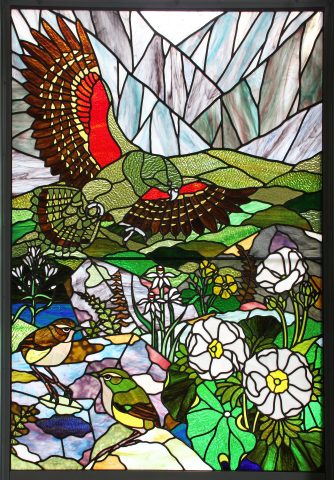
Winter transforms the park into a realm of ice and silence. Climbers come for serious ascents, while skiers and snowboarders tackle the slopes of the Tasman Glacier, though this is no resort—there are no lifts or groomed runs, just raw, untouched snow. Summer brings a different kind of life, with hikers, photographers, and travellers drawn to the trails and lakes. The only sounds are the wind, the distant rumble of shifting ice, and the occasional screech of a kea, the mischievous alpine parrot known for its curiosity. These birds, with their olive-green feathers and sharp intelligence, are as much a part of the park’s character as the mountains themselves.
The night sky over Aoraki/Mount Cook is among the clearest in the world. With no light pollution and crisp mountain air, the stars appear brighter here than almost anywhere else. On cloudless nights, the Milky Way stretches overhead in such detail that it feels almost within reach. The park is part of an International Dark Sky Reserve, and guided stargazing tours offer a chance to learn about Māori astronomy and the constellations that have guided navigators for centuries. For many, these moments—standing beneath an endless sky, surrounded by silence and the faint glow of distant peaks—are the most unforgettable part of the visit.
This is not a place that can be rushed. Aoraki/Mount Cook demands time and attention, rewarding those who slow down and let the landscape sink in. It’s not somewhere to stop briefly between other destinations; it’s a reason to linger. The air is thin and cold, the views constantly shifting with the light, and the sense of scale is humbling. Whether you come to climb, hike, or simply sit by a lake and watch the mountains change colour at dusk, the park leaves an impression that lasts long after you’ve left. It’s a reminder of how small we are in the face of something so vast—and how rare it is to find a place that still feels truly wild.