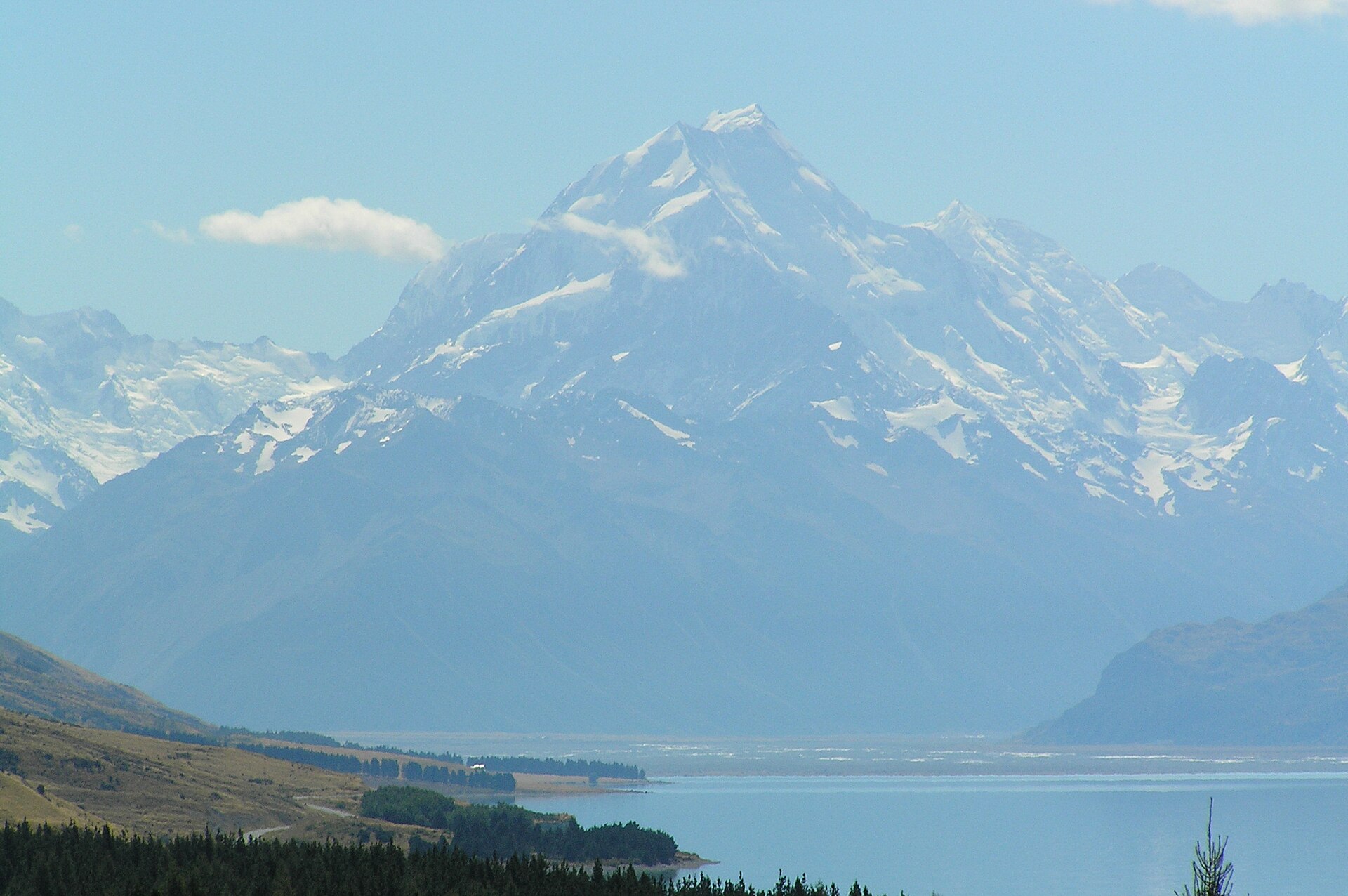
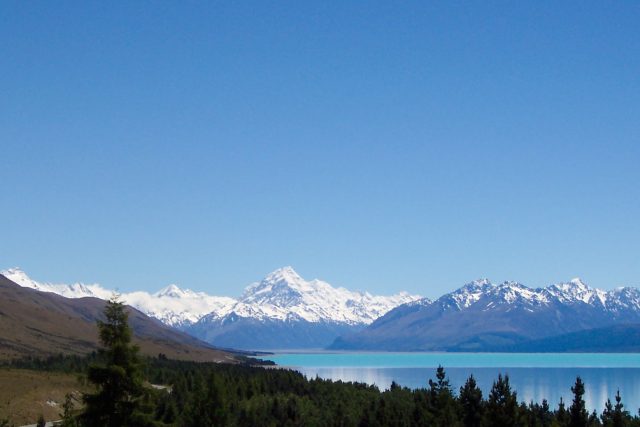
Lake Pukaki sits in the high country of New Zealand’s South Island, where the Southern Alps rise like a wall of stone and ice. The water here isn’t just blue—it shifts between pale turquoise and deep sapphire depending on the light, as if the lake itself is alive, reflecting the sky above. It’s smaller than nearby lakes Tekapo or Ohau, but its colour and setting make it unforgettable. The effect is so striking that it’s hard not to stop and stare, especially on a clear day when the water seems to glow from within.
The lake was formed thousands of years ago by glaciers carving out the valley. Today, it’s fed by meltwater from the Tasman Glacier, the longest in New Zealand. The water carries fine glacial silt, known as rock flour, which scatters light in a way that intensifies the blue. The brighter the sun, the more vivid the colour becomes. On still days, the lake mirrors the surrounding peaks so perfectly that the boundary between water and mountain blurs. It’s a place where the landscape feels both ancient and ever-changing.
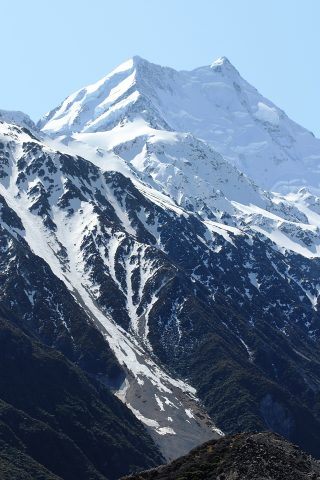
Surrounding Pukaki is a stark, windswept terrain—low shrubs, tussock grass, and weathered rocks, all part of Aoraki/Mount Cook National Park. There are no forests here, just open space and the towering presence of the Alps. Aoraki, or Mount Cook, the highest peak in New Zealand, dominates the skyline. Its summit is often shrouded in cloud, but when it emerges, the snow-covered peak catches the light in a way that makes it seem almost luminous. The sheer scale of the mountains makes everything else feel small, including the people who stand at the water’s edge.
The road to Pukaki winds through the Mackenzie Basin, one of the driest regions in the country. The landscape is a contrast to the lush forests of the West Coast—golden hills, vast skies, and a sense of emptiness that’s rare in a world crowded with noise. Along the way, there are sheep stations, old stone cottages, and the occasional cluster of buildings where life moves at a slower pace. The road hugs the shore of the lake, offering the best views, and it’s common to see cars pulled over so people can step out, breathe in the crisp air, and take in the scene.
This isn’t a place for crowds or distractions. There are no beaches, no boats for hire, no cafes—just the lake, the mountains, and the wind. That simplicity is part of its appeal. In summer, hikers come to walk the trails leading to the Tasman Glacier or to viewpoints overlooking the water. Winter brings a quieter beauty, with snow dusting the peaks and the lake’s surface darkening under heavy skies. On clear nights, the stars above Pukaki are some of the brightest in the world, unspoiled by light pollution. It’s a reminder of how little stands between you and the vastness of the universe.
For the Māori people, this land holds deep significance. Aoraki is more than a mountain—it’s a sacred ancestor, a guardian of the land. According to legend, Aoraki and his brothers arrived by waka (canoe) from the heavens, but their vessel capsized, turning them to stone and forming the Southern Alps. Their stories live on in the names of places and in the traditions passed down through generations. The national park’s dual name, Aoraki/Mount Cook, reflects the respect given to this heritage. Visitors can learn more about these connections at the park’s visitor centre, where the relationship between the land and its original people is woven into the exhibits.
Pukaki isn’t a place you rush through. It demands time—to sit by the water, to listen to the wind, to feel the cold bite of the lake if you dare dip a hand in. The water is freezing even in summer, but some still wade in briefly, as if testing the edge of something wild. Most people simply stay on the shore, watching how the light shifts across the water, how clouds cast moving shadows over the mountains. There’s a quiet understanding here, a sense that this place exists beyond the reach of time. It’s why people return—not for the photos, but for the feeling that lingers long after they’ve left.
Tourism here hasn’t yet turned into an industry. There are no crowds, no souvenir shops, just a handful of campsites and small lodges where travellers can stay if they want to linger. The locals—farmers, park rangers, and those who’ve chosen to live in this remote corner—are welcoming but unobtrusive. They know the value of this land and work to keep it as it’s always been: wild, beautiful, and a little untamed. It’s a balance that feels rare in a world where so many places have been smoothed over for convenience.
If you continue south from Pukaki, the landscape gradually softens. The Mackenzie Basin gives way to forests and rivers, and the mountains lose some of their imposing height. But those who’ve been to Pukaki carry something of it with them. Maybe it’s the memory of the water’s colour, or the way the light plays on the peaks, or the silence that settles in when you stand alone by the shore. It’s a place that doesn’t just exist in the world—it feels like a part of something much larger, something that hasn’t changed in centuries. And in a time when so much moves too fast, that stillness is its own kind of gift.