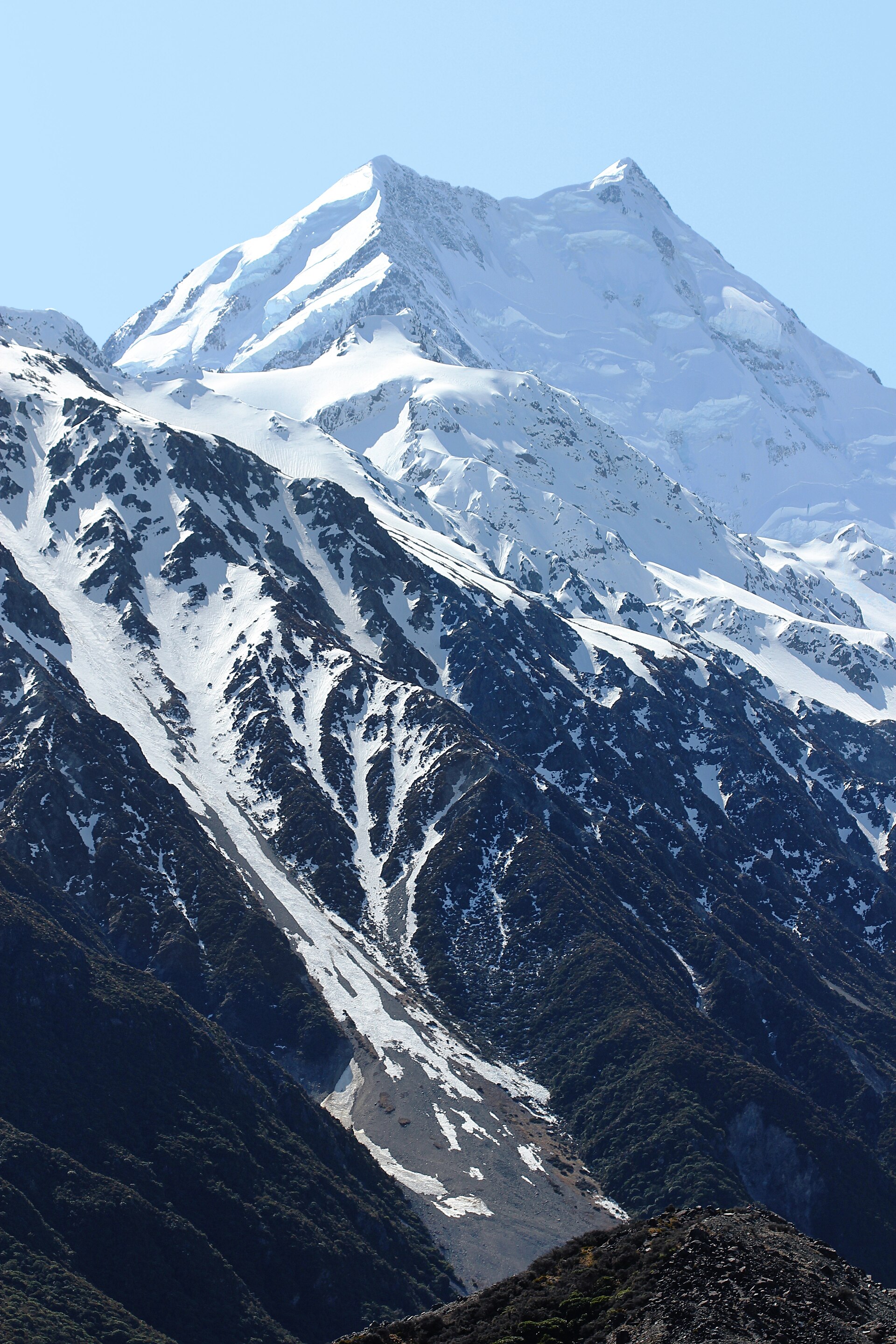
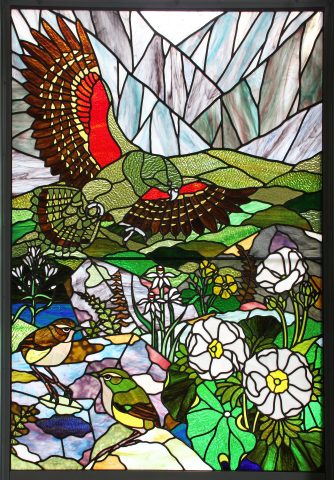
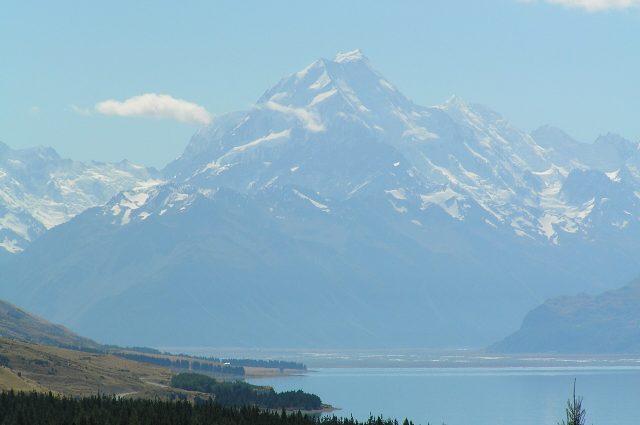
Aoraki, known to many as Mount Cook, stands as New Zealand’s tallest peak, a place where the raw power of nature is on full display. Rising 3,724 meters above sea level, it dominates the Southern Alps, its jagged silhouette cutting through the sky like a sentinel over Aoraki/Mount Cook National Park. There are no cities here, no crowds—just the wind sweeping across glaciers, the distant cries of kea parrots echoing through the valleys, and the quiet that settles over the landscape like a second skin. For the Māori, the mountain is sacred, a living ancestor. According to legend, Aoraki and his brothers were the sons of the sky father, Ranginui, who became frozen in stone, forming the peaks of the Southern Alps. Europeans later named it after Captain James Cook, though the explorer never set foot on its slopes—he only glimpsed it from the deck of his ship, a distant marvel on the horizon.
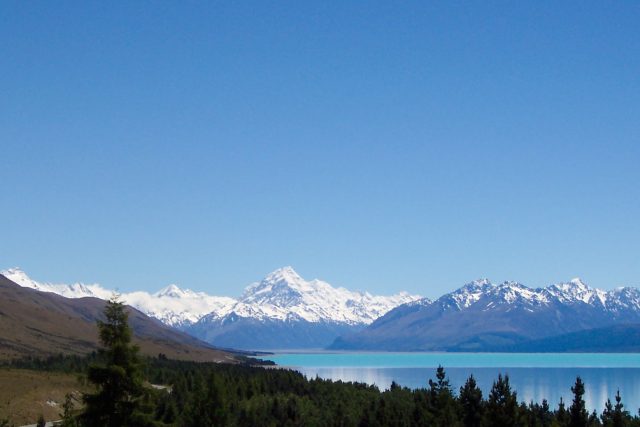
Climbing Aoraki is no small feat. The routes are demanding, the weather unpredictable, and the terrain—glaciers, sheer cliffs, and shifting ice—requires experience and respect. But even those who never set foot on the summit find something unforgettable in its presence. The Tasman Glacier, one of the largest in New Zealand, spills down its flanks in a river of blue-tinged ice, a stark contrast to the grey rock and the emerald valleys below. On clear days, the views stretch endlessly: snowfields glinting under the sun, sharp peaks piercing the sky, and the mirror-like surface of Lake Pukaki reflecting the heavens. It’s a landscape that feels almost unreal, as if the world has been distilled into its most essential, breathtaking form.
The national park surrounding Aoraki isn’t just for climbers and thrill-seekers. There are trails for every level of ability, from short walks to multi-day treks. One of the most rewarding is the path to the Hooker Glacier viewpoint, a three-hour return journey that feels like stepping into another world. In summer, the valleys burst with wildflowers; in winter, snow transforms the land into a quiet, frozen dreamscape. Accommodation is simple—campsites, basic huts, or small cottages—but that’s part of the appeal. Here, the focus isn’t on luxury but on the chance to disconnect, to stand in a place where the earth feels untouched and vast.
The history of Aoraki’s conquest is one of determination and loss. The first successful ascent came in 1894, when three New Zealanders, including local guide Jack Clarke, reached the summit after years of failed attempts. Before that, European climbers had tried and failed, some never returning. Today, memorials on the mountain honor those who lost their lives in pursuit of its heights. For the Māori, Aoraki remains a sacred site, and any climbs are undertaken with respect for its spiritual significance. In 1991, a massive rockfall altered the summit, reducing its height slightly, but the mountain’s grandeur remains undiminished. It’s a reminder that even the mightiest peaks are shaped by forces far greater than human ambition.
At night, the park reveals another kind of magic. The skies here are among the darkest in the world, free from light pollution, and the Milky Way stretches overhead like a luminous ribbon. On clear nights, visitors gather at viewpoints to watch the stars, their brilliance so vivid it feels as if you could reach out and touch them. Occasionally, the aurora australis flickers above the Southern Alps, a rare and mesmerizing display. In 2012, the park was designated an International Dark Sky Reserve, and now astronomers lead stargazing tours, offering glimpses of distant planets and galaxies through telescopes. It’s a humbling experience, a reminder of how small we are in the vastness of the universe.
Aoraki is a place where time moves differently. There are no crowds, no billboards, no distractions—just the mountains, the ice, the rivers, and the wind carrying stories of those who came before. For some, it’s a place of spiritual connection; for others, a challenge to be met; and for many, simply a corner of the wild where the modern world fades away. The mountain doesn’t change to suit its visitors. It stands as it always has, a testament to the enduring power of nature, its beauty too vast to be captured in words alone.
The best way to experience Aoraki is to let it unfold at its own pace. Walk the trails, breathe in the crisp alpine air, and watch how the light shifts across the glaciers as the day progresses. Stay in a hut or pitch a tent under the stars, listening to the distant rumble of ice calving into the valleys below. There’s no need to rush. The mountain has been here for millennia, and it will remain long after you’ve left. That sense of permanence is part of what makes it so compelling—a place where the earth feels ancient, and every view is a reminder of how small our lives are in the grand scheme of things.
Yet for all its grandeur, Aoraki isn’t untouchable. It’s a place where people have left their mark, for better or worse. The climbers who’ve summited, the scientists who’ve studied its glaciers, the Māori who’ve revered it for generations—all have shaped its story. Even the name itself is a compromise, a blend of colonial history and indigenous heritage. But perhaps that’s fitting. The mountain doesn’t belong to any one group or era. It belongs to the wind, the ice, the sky, and to anyone who stands in its shadow and feels the weight of something greater than themselves.
If you come here, you won’t find answers. But you might find something just as valuable—a sense of perspective. Aoraki doesn’t offer easy comforts or grand revelations. It simply is. And in a world that moves too fast, that’s enough.