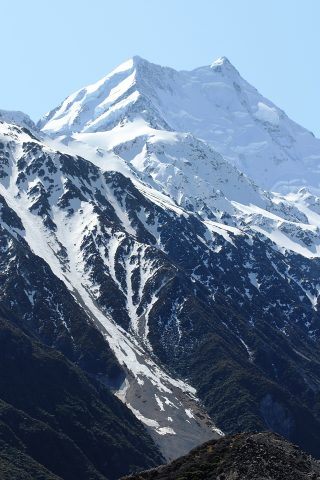
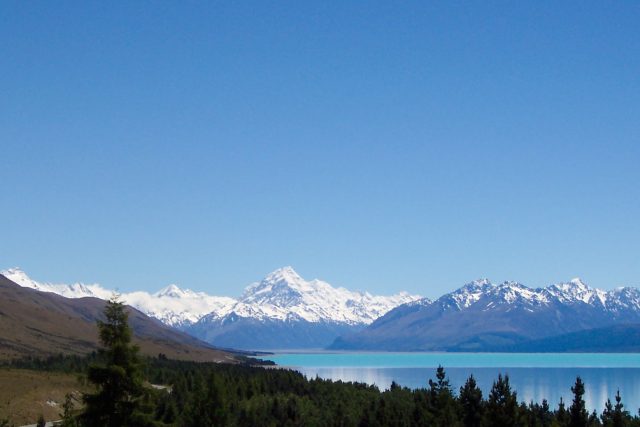
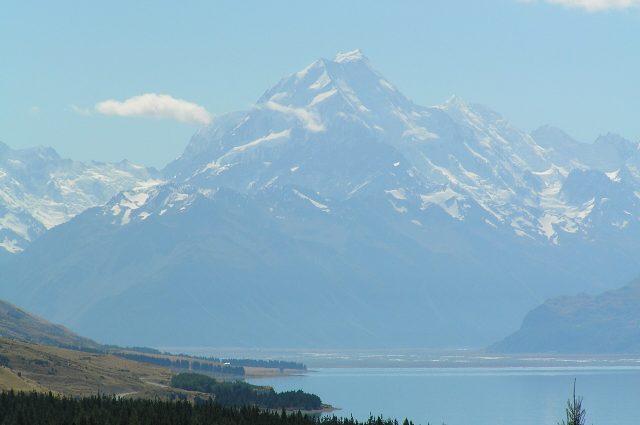
The Aoraki/Mount Cook National Park Visitor Centre is where the earth feels closest to the sky. Tucked into the heart of New Zealand’s Southern Alps, it serves as the quiet gateway to one of the country’s most breathtaking landscapes. The centre sits at the foot of Aoraki, the tallest peak in New Zealand, a mountain that means far more than its height to the Māori people. For them, it is a sacred ancestor, a living presence woven into the stories and traditions of the land. The name itself carries weight, evoking a connection to something deeper than geography.
The building doesn’t demand attention—it doesn’t need to. Designed to blend into the surroundings rather than compete with them, it feels like a natural extension of the landscape. Inside, though, the space opens up with purpose. Large windows frame the snow-capped slopes and the Hooker Valley, where clouds often drift down like slow-moving rivers, softening the edges of the peaks. The exhibits here tell the story of the park without overwhelming you with technical details. They explain how these mountains, young by geological standards, were shaped by glaciers over millennia, and why the alpine plants here are unlike anywhere else in the world. The information feels like a conversation rather than a lecture, inviting you to look closer at the land outside.
One of the most compelling parts of the centre is its focus on the people who have been drawn to Aoraki over time. For the Māori, the mountain is not just a landmark but a spiritual entity, a link to their ancestors. Then came the European explorers, who saw it as a challenge to conquer. Among them was Edmund Hillary, whose name is forever tied to Everest, but whose climbing journey began here in New Zealand. The centre preserves fragments of that history—photographs of early expeditions, gear from the early 1900s, and stories of those who never returned. There’s a quiet reverence in the way these stories are told, a reminder that this is a place where nature has always had the final word.
For many, the visitor centre is the starting point for exploring the park. Staff can help you choose a trail based on the weather and your experience level, whether it’s a gentle walk to the Hooker Glacier, where meltwater pools into turquoise lakes in summer, or a more demanding climb to Mueller Pass, where the views draw photographers from around the world. Even if you don’t venture far, just sitting outside with a view of Aoraki’s slopes is enough. The light here changes constantly, turning the snow and rock into something almost alive.
The weather in this part of the world is famously unpredictable. A clear morning can give way to fog within an hour, or a sudden shower might sweep through the valley. Locals joke that you can experience all four seasons in a single day, and it’s not far from the truth. The visitor centre is a place to wait out the shifts—warm up with a hot drink, swap stories with other travellers, or just watch the clouds roll over the mountains. The small café serves simple, hearty food—sandwiches, soups, fresh baking—that’s perfect for refuelling before or after a hike.
At night, the park transforms. Far from city lights, the sky becomes a vast, shimmering canvas. Aoraki/Mount Cook is part of the world’s first International Dark Sky Reserve, and on a clear night, the Milky Way feels close enough to touch. Sometimes the centre offers evening programmes about the southern constellations, but even without them, stepping outside to look up is enough. On rare occasions, the Aurora Australis paints the sky in soft greens and purples, a quiet spectacle that feels like a secret shared only with those who are here.
Winter turns the park into a different world. Snow blankets not just the peaks but the valleys, creating a landscape of stark, silent beauty. The visitor centre becomes a hub for skiers, snowboarders, and mountaineers preparing for climbs. The slopes here are quieter than those in the European Alps, but that only adds to the sense of adventure. Even if you’re not planning to strap on skis, the winter views of Aoraki are worth the trip. The crisp air, the crunch of snow underfoot, and the stillness make it feel like time has paused.
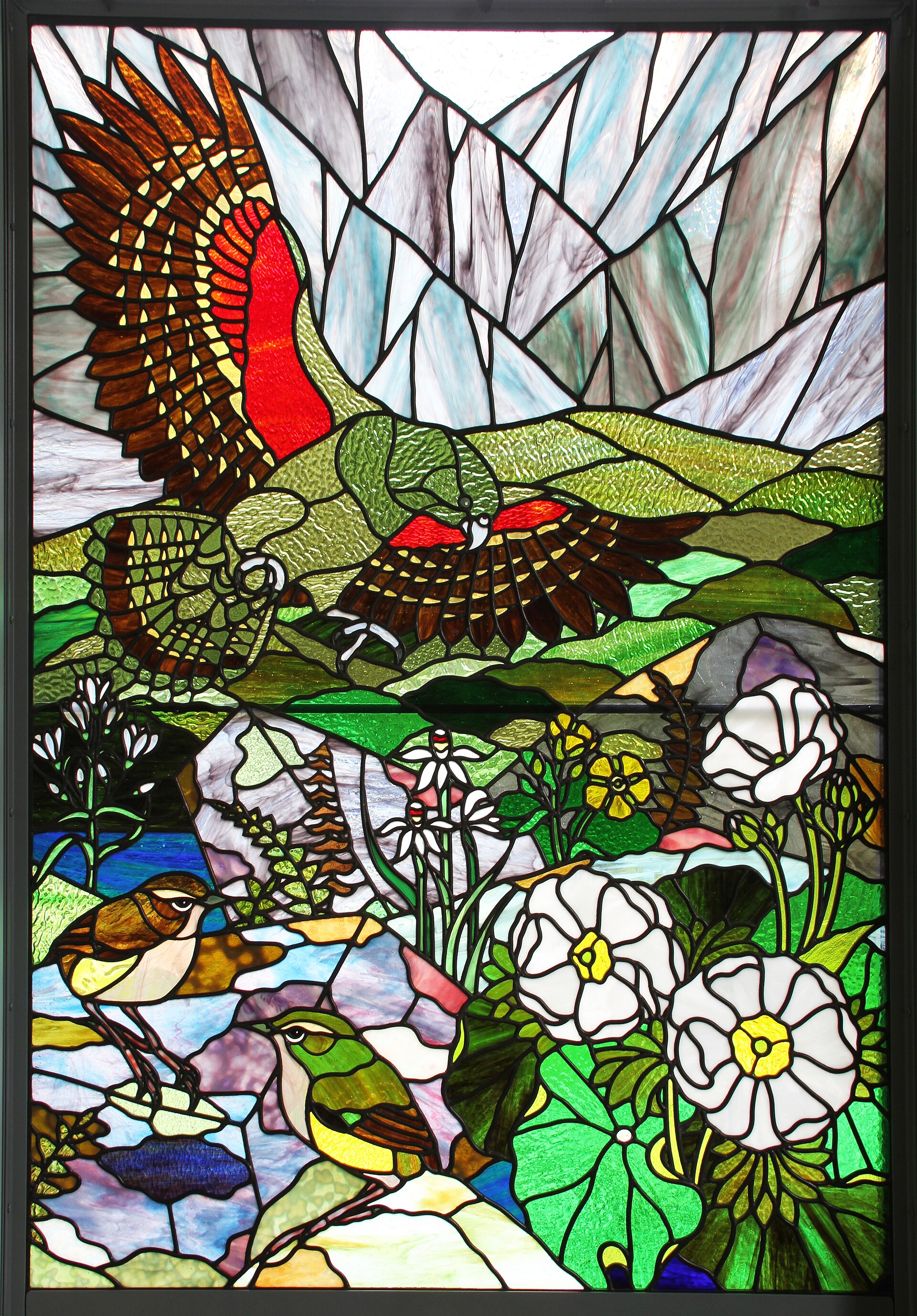
In summer, the park comes alive in a different way. Alpine meadows burst into colour, and wildflowers dot the landscape. Scientists—botanists, geologists, ornithologists—arrive to study the unique ecosystem. The visitor centre becomes a meeting place for those who share a fascination with the natural world. Exhibits explain how plants and animals have adapted to the harsh alpine environment, and there are hands-on activities for children, helping them understand the delicate balance of this high-altitude world.
Aoraki/Mount Cook is more than just a mountain or a park. It’s a place where the raw power of nature is on full display, where every visitor finds something different—whether it’s solitude, adventure, or a glimpse of a world untouched by time. The visitor centre isn’t just an information desk; it’s part of the experience. It helps you see why these mountains matter, why they’ve inspired artists and writers, and why those who come here once often find themselves returning. The land doesn’t need to shout to be heard. It just is, and that’s enough.