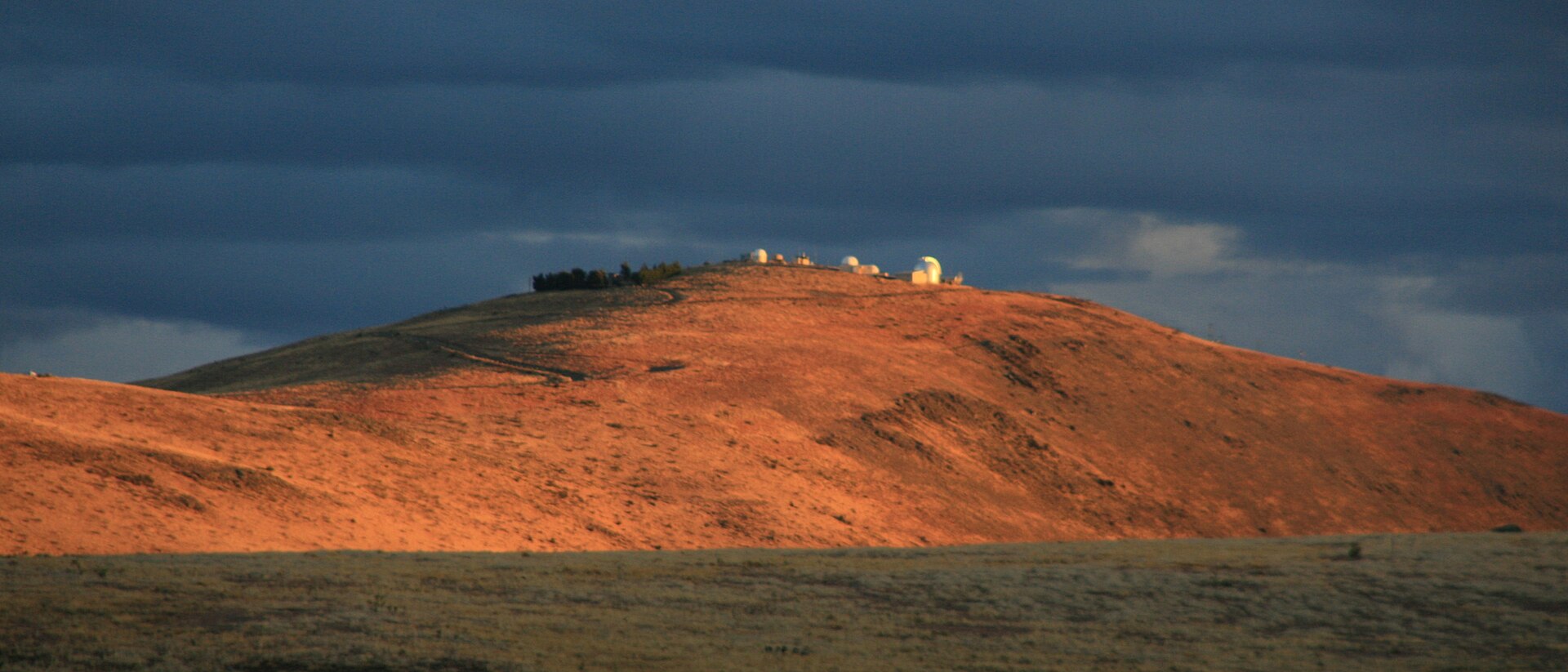
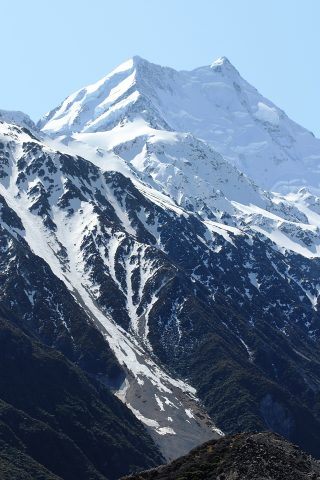
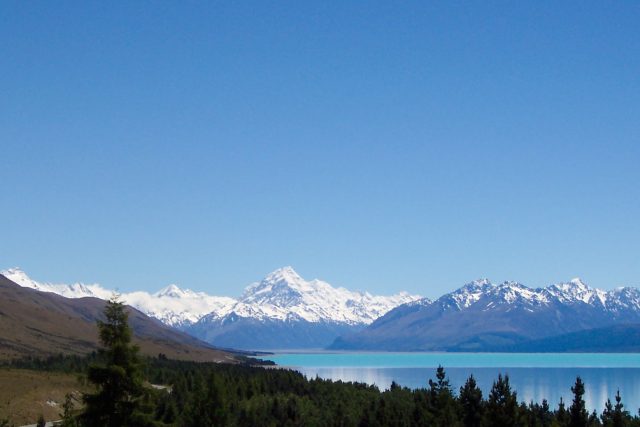
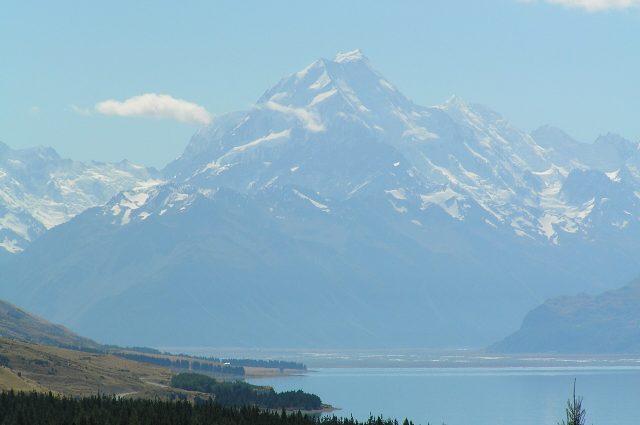
Perched on the edge of the Southern Alps, Mount John Observatory sits above the turquoise waters of Lake Tekapo, where the air is thin and the sky feels impossibly close. This isn’t just a place for scientists to study the cosmos—it’s where the vastness of the universe becomes tangible, where the Milky Way stretches overhead like a river of light, and where the silence of the mountains makes the stars seem even brighter. The observatory’s position on the South Island, far from the glow of cities, offers some of the clearest night skies in the world, a fact that hasn’t gone unnoticed by astronomers or travelers seeking a different kind of wilderness.
The story of Mount John began in the 1960s, when New Zealand and Japanese researchers were searching for a site to observe the southern hemisphere’s skies. The location was chosen for its high altitude, dry climate, and minimal light pollution—conditions that remain rare even today. The first telescopes were installed not long after, and over the decades, the observatory grew into a key hub for astronomical research. While its primary purpose has always been scientific, the sheer beauty of the night sky here soon drew visitors, turning Mount John into a place where curiosity about the universe could be shared with anyone willing to look up.
What makes this observatory unusual is how seamlessly it blends into its surroundings. The buildings, constructed from local stone and timber, don’t dominate the landscape but rather seem to rise from it. There’s no grand architecture here, just functional spaces designed for observation and research. Inside, the atmosphere is one of quiet focus—laboratories hum with equipment, and the occasional murmur of astronomers discussing data drifts through the halls. For visitors, the experience is more about the sky than the structures beneath it. Special viewing platforms offer panoramic views of Lake Tekapo, its waters shifting between blue and green depending on the light, while the jagged peaks of the Southern Alps frame the horizon.
Lake Tekapo itself is worth exploring, even if you never step inside the observatory. The lake’s striking color comes from glacial flour—fine particles of rock suspended in the water—and it changes with the weather, from pale turquoise on sunny days to deep indigo under overcast skies. The shoreline is dotted with wildflowers in summer, and the surrounding hills are crisscrossed with walking trails that offer sweeping views of the landscape. It’s a place where time slows down, where the only sounds are the wind in the tussock grass and the distant call of birds. At night, the lake reflects the stars, doubling the sense of being suspended between earth and sky.
The observatory’s role in education and public outreach has grown alongside its scientific work. Regular tours and stargazing sessions allow visitors to peer through telescopes, learning about distant galaxies, nebulae, and the tools astronomers use to study them. For many, it’s the first time they’ve seen the rings of Saturn or the craters of the moon up close, and the experience often sparks a deeper interest in astronomy. Schools and universities frequently bring groups here, and some visitors return years later as researchers or volunteers, drawn back by the place’s unique blend of science and wonder.
What sets Mount John apart from other observatories is its setting. This isn’t a sterile research facility tucked away in a remote desert—it’s a place where the natural world and human curiosity intersect. The absence of light pollution means the night sky here is as dark as it was centuries ago, and the stars appear with a clarity that’s hard to find anywhere else. On a clear night, the Milky Way is so bright it casts faint shadows, and the Southern Cross, the Coal Sack Nebula, and the Magellanic Clouds are visible to the naked eye. It’s a reminder of how small we are in the grand scheme of things, and how much there is still to discover.
The observatory’s significance was formally recognized when the surrounding area was designated a Dark Sky Reserve by UNESCO, one of the first in the world. This status isn’t just about preserving the night sky for astronomy—it’s also about protecting a natural resource that’s increasingly rare. In an age where artificial light drowns out the stars in most places, Mount John offers a rare glimpse of the universe as it was meant to be seen. The reserve extends beyond the observatory, encompassing the entire Mackenzie Basin, where strict lighting regulations ensure that the darkness remains unspoiled.
For those who visit, Mount John is more than just a stop on a travel itinerary. It’s a place that invites reflection, where the quiet of the mountains and the immensity of the night sky make everyday concerns feel distant. Whether you spend an evening gazing at the stars, a day hiking around the lake, or a few hours listening to an astronomer explain the mysteries of the cosmos, the experience lingers long after you leave. There’s something humbling about standing under a sky so vast, about realizing that the light from some of those stars has traveled for thousands of years just to reach your eyes. It’s a place that doesn’t just show you the universe—it makes you feel a part of it.