Australia’s National Portrait Gallery isn’t like other museums. It doesn’t collect landscapes or still lifes, nor does it exist simply to display art for art’s sake. Instead, it gathers the faces of those who have shaped the country—people who left their mark on its culture, politics, science, and identity. From early settlers and Indigenous Australians to contemporary figures, the gallery presents a living record of the nation, told not through grand events or sweeping narratives, but through the quiet power of individual stories. Some are triumphant, others complicated, but all are deeply human.
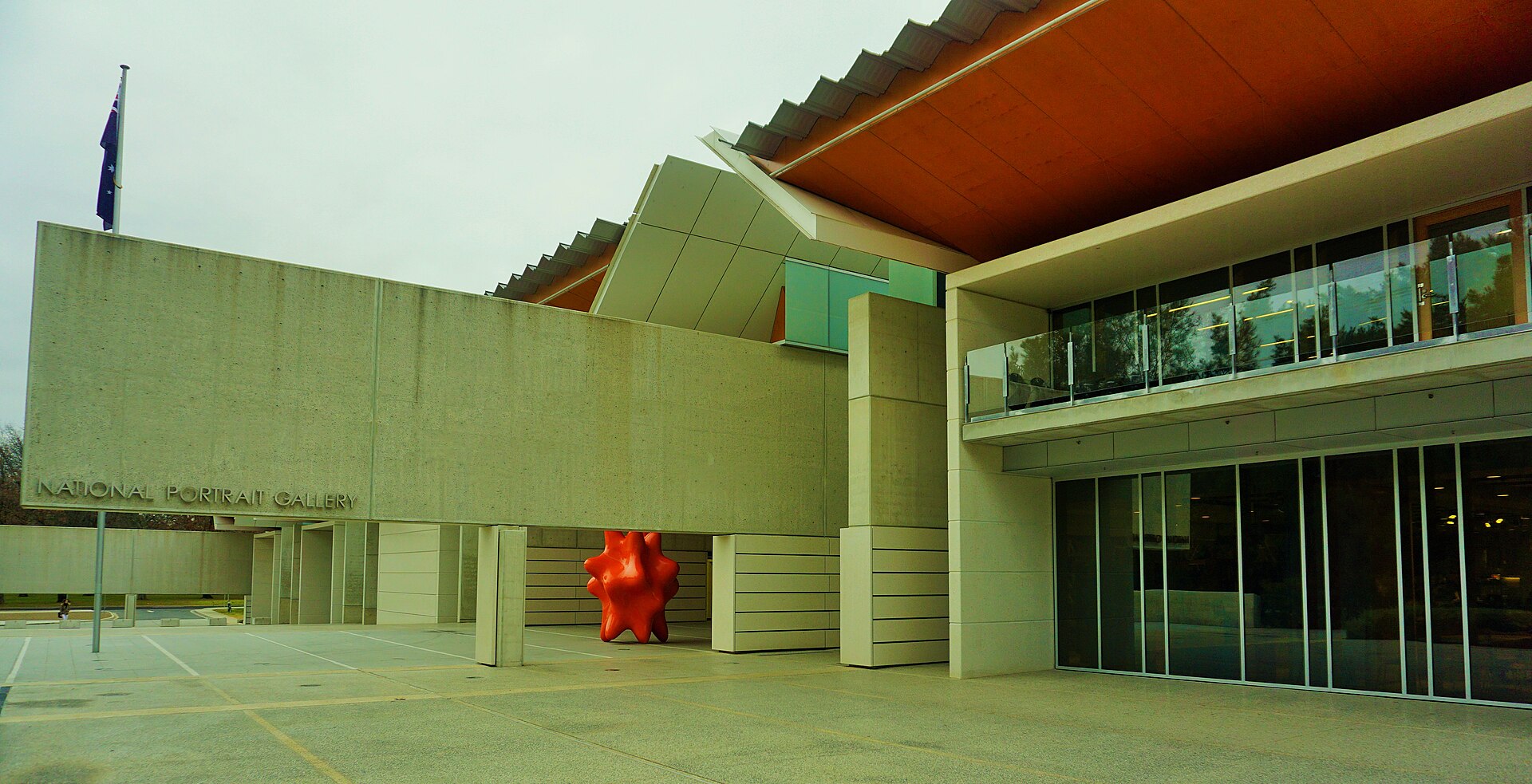
The building itself reflects this approach. Designed with clean lines and expansive glass, it feels open and uncluttered, as if inviting visitors to step into a conversation rather than a traditional museum. Inside, the space is arranged to let the portraits speak for themselves. Natural light filters through high windows, softening the edges of the works and creating a sense that these images are not relics of the past, but active participants in the present. There’s no sense of crowded halls or forced reverence—just a thoughtful, almost intimate setting where each piece has room to breathe.
The collection spans more than two centuries, offering a visual timeline of Australia’s evolution. Early works depict the captains of the First Fleet, the convicts and settlers who arrived on unfamiliar shores, and the politicians who later shaped the nation’s path. Writers, artists, and scientists appear alongside them, their contributions preserved in paint, charcoal, and photography. But some of the most striking portraits belong to Indigenous Australians, whose presence serves as a reminder that the country’s history stretches far beyond European arrival. Traditional techniques sit beside modern interpretations, each reflecting the era in which it was created.
What makes the gallery unusual is its refusal to limit itself to one medium. Paintings share space with photographs, sculptures, video installations, and even digital works. This diversity isn’t just for variety—it shows how the way we see and represent people has changed over time. A solemn black-and-white photograph from the early 1900s might hang near a vibrant pop-art piece from the 1960s, while a contemporary digital portrait offers a stark contrast in style and tone. Together, they create a sense of movement, as if the nation’s story is unfolding in real time.
The gallery doesn’t shy away from complexity. It doesn’t present a single, sanitized version of history, but rather a collection of perspectives—some celebratory, others critical. Portraits of colonial governors, for instance, might be displayed alongside works depicting the Indigenous communities whose lives were irrevocably altered by their arrival. This isn’t about assigning blame or praise, but about acknowledging the layers of experience that make up Australia’s past. The result is a space that feels less like a museum and more like a place for reflection, where visitors are encouraged to engage with the stories behind the faces.
Walking through the gallery is like stepping into a conversation about what it means to be Australian. There’s no single narrative here, just a mosaic of voices—athletes, scientists, musicians, activists, and ordinary people who became symbols of their time. Some visitors might recognize their own family histories in these portraits; others might find inspiration in the achievements of those who came before. For many, it’s an opportunity to consider how the country was shaped, and how its identity continues to evolve. The experience is deeply personal, yet also collective, as if each portrait is a thread in a larger tapestry.
The gallery isn’t static. It grows and changes, regularly adding new works to its collection. Temporary exhibitions often focus on contemporary issues—social movements, scientific breakthroughs, or cultural shifts—ensuring that the institution remains relevant. In recent years, this has included portraits of modern activists advocating for Indigenous rights, or artists exploring environmental concerns. By doing so, the gallery doesn’t just preserve the past; it reflects the present, making it a place where history feels alive and ongoing.
Canberra is often seen as a city of politicians and bureaucrats, but the National Portrait Gallery offers a different perspective. Located near other major cultural institutions, like the National Gallery of Australia and the National Library, it’s part of a cluster of spaces that celebrate creativity and history. After a visit, it’s easy to wander along the shores of Lake Burley Griffin or stop for coffee in one of the nearby cafés, letting the quiet rhythm of the city settle in. There’s a sense of openness here, a feeling that the capital isn’t just about power, but about the stories that define a nation.
This isn’t a place to rush through in search of a single masterpiece. The power of the National Portrait Gallery lies in its details—the way a brushstroke captures a fleeting expression, the story behind a photograph, the unspoken emotions in a sculpture. It’s where art and history intersect, where the past meets the present in a way that feels immediate and personal. And perhaps that’s why it resonates so deeply. It doesn’t just show faces; it invites you to look beyond them, to consider the lives, choices, and legacies that have shaped Australia—and continue to do so.