The Skógar Transport Museum is one of those quiet places that tells Iceland’s story not through grand events or towering monuments, but through the ordinary objects that shaped daily life. There are no gilded artifacts or rare treasures here—just the tools, vehicles, and household items that people relied on for decades. The collection isn’t meant to impress; it exists to preserve the memory of how Icelanders lived and worked in the last century, when the country was just beginning to emerge from isolation and build the foundations of modern life.
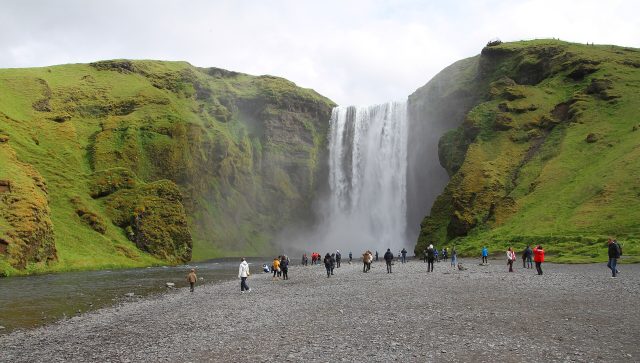
The museum sits in the small village of Skógar, best known for Skógafoss, one of Iceland’s most spectacular waterfalls. Most travelers pass through on their way to the next scenic stop, but those who take a detour into the museum discover a different side of the region. The building itself is unassuming, with no architectural flourishes, yet inside, it feels less like a museum and more like a working garage or workshop. The exhibits aren’t sealed behind glass—many can be examined up close, and some even invite touch. The atmosphere is lived-in, as if the place is still in use, just paused in time.
The heart of the collection is a mix of vehicles, not just Icelandic but also American and European models that once symbolized progress on the island. In the mid-20th century, Iceland began developing its road network, and cars started appearing even in remote areas. Since the country never had its own auto industry, most vehicles were imported. The museum’s collection includes trucks that hauled goods over rough dirt roads, passenger cars that ferried farmers to market, and buses that carried travelers along routes now replaced by modern highways. Some of these machines are still in working condition, their faded paint and worn interiors hinting at years of hard use.
Agricultural tools and machinery take up another significant part of the museum. Iceland has always been a country of farmers and fishermen, and even today, much of the population depends on sheep farming and the sea. The exhibits include old tractors, hay mowers, milking machines, and other equipment that made life on the land a little less grueling. Some of these machines look almost too simple to be effective, but for generations of Icelanders, they were essential. Alongside them are hand tools—axes, saws, hoes—that speak to a time when work was done by muscle and endurance, especially in a climate that offered little mercy.
Aviation has its own corner in the museum, reflecting Iceland’s role as a crossroads between Europe and North America. The exhibits include models of small propeller planes that once connected remote villages, as well as larger aircraft that linked the island to the outside world. In the mid-20th century, flights to Iceland were rare, and each arrival was an event. These planes tell the story of how air travel transformed the country, making it less isolated and more connected to global networks. Today, Iceland’s airports are busy hubs, but back then, aviation was still a novelty, and every flight carried a sense of possibility.
What makes the Skógar Transport Museum special isn’t just the objects themselves, but the stories they carry. There are no famous names or historic battles here—just the quiet narrative of how life on the island changed. Roads were built, machines replaced manual labor, and people adapted to new ways of living. The exhibits don’t just sit there; they feel alive, as if the hands that once used them are still nearby. A tractor might have been someone’s livelihood, a car the only way to reach the next town, a plane the first step toward seeing the world beyond Iceland’s shores.
A visit here doesn’t take long, but it lingers in a way that grander museums often don’t. There’s no pomp or spectacle, just a sense of authenticity. You can spend time examining the details of an old engine, reading the handwritten notes on display, or simply sitting on a bench, listening to the occasional local who stops by to share a memory. For travelers drawn to Iceland’s natural wonders, the museum might come as a surprise. It doesn’t fit the usual idea of what a museum should be, and that’s precisely why it stays with you. It’s a reminder that history isn’t just made of big moments—it’s also built from the small, everyday things that shape how people live.