Skógar
Iceland · 4 places
Photo: Andreas Tille, CC BY-SA 4.0
Skógar is one of those places that feels like it exists just beyond the edges of the map—a quiet settlement on Iceland’s southern coast where the rhythm of life moves to the sound of wind and water rather than the hum of engines. It’s not a town in the usual sense, just a handful of houses scattered along the road, their brightly painted roofs standing out against the muted greens and grays of the landscape. Most travelers pass through on their way to somewhere else, drawn by the promise of Skógafoss, the waterfall that looms over the village like a natural monument. But those who linger, even for a day, begin to understand that this place has a quiet magic all its own.
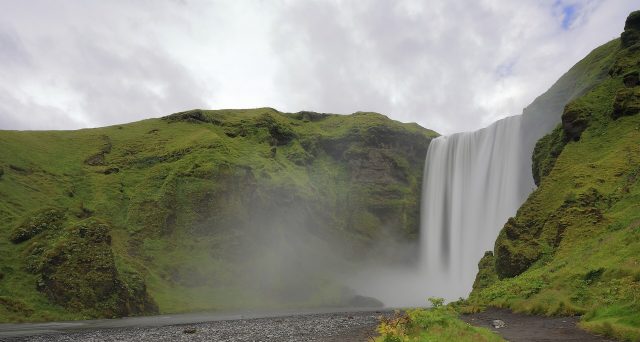
Skógafoss isn’t just another waterfall—it’s a force of nature. Sixty meters of cascading water crash into the pool below with such power that the air itself seems to vibrate. On sunny days, the mist rises like smoke, and rainbows arc through the spray, fleeting but vivid. The locals say that behind the falls lies a chest of Viking treasure, hidden there centuries ago and never retrieved. Whether the story is true hardly matters; the real reward is the climb. A steep staircase leads to the top, where the view stretches out over the coastline, the black sand beaches, and the endless expanse of the North Atlantic. On clear days, the ocean shimmers in the distance, a reminder of how small this little village really is in the grand scheme of things.
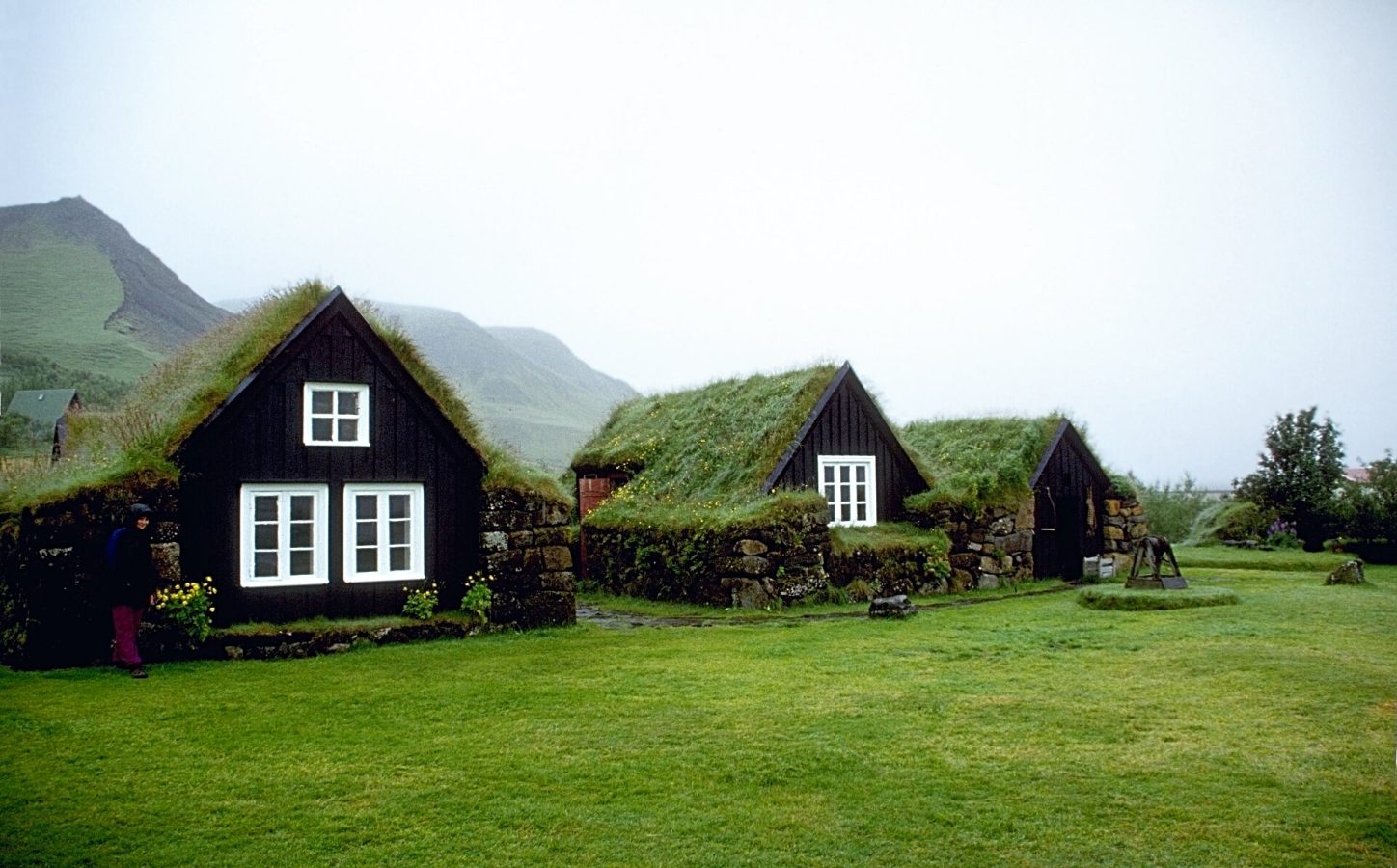
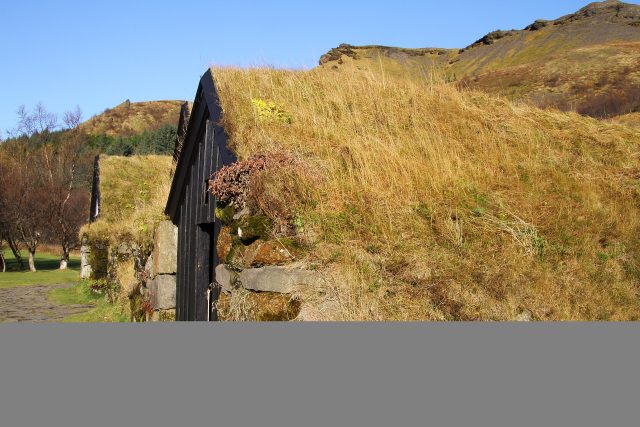
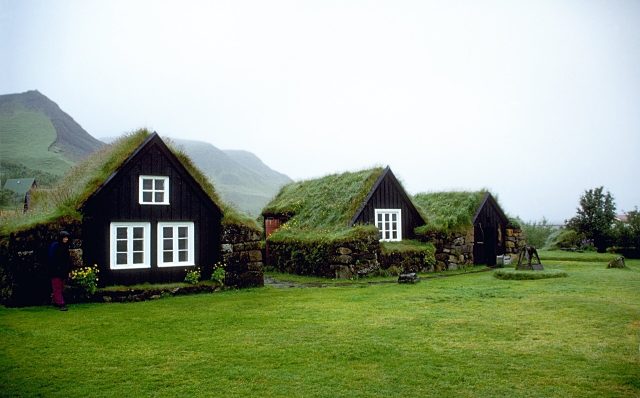
Life in Skógar moves at its own pace. There’s no rush here, no need to fill the silence with noise. The village’s open-air museum offers a glimpse into Iceland’s past, a collection of old turf houses, fishing boats, and farming tools that tell the story of a people who lived by the land and the sea. It’s not a polished tourist attraction but something more authentic—a place where the past feels tangible, where the weight of history isn’t just observed but felt in the creak of wooden floors and the scent of aged wool. The locals are used to visitors, but they don’t perform for them. They go about their days, offering a nod or a quiet word, content to let the landscape speak for itself.
The seasons transform Skógar completely. In winter, snow blankets the hills, and the waterfall freezes into jagged ice sculptures that glint in the pale sunlight. The roads become treacherous, and the village can feel cut off from the rest of the world, a tiny outpost in a vast white wilderness. Summer, on the other hand, brings endless daylight, the kind that makes time feel fluid. The nights never fully darken, and the air is filled with the sound of birds and the distant roar of the falls. It’s the perfect time to explore the surrounding trails, where every turn reveals something new—rolling green valleys, cliffs carved by the wind, or the stark beauty of the black sand beaches that stretch toward the horizon.
This isn’t a place for those seeking luxury or entertainment. There are no high-end hotels or bustling restaurants, just a few guesthouses where the owners serve homemade bread and fresh fish for breakfast. The real draw is the chance to step into a way of life that feels untouched by time. If you’re lucky, someone might share a story about the old days—how families survived the long winters, how they celebrated the brief summers, how the land shaped everything they did. Skógar doesn’t try to impress; it simply exists, as it always has, on its own terms. And perhaps that’s why it lingers in the memory long after you’ve left.
See & Do
All of them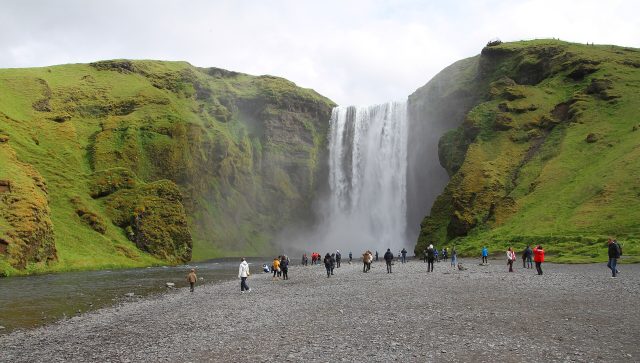
Places on the map
Marker colour follows the categoryClimate and weather
Detailed weather: Skógar- Average temperature
- 6 °C
- Precipitation per year
- 490 mm
Average air temperature
°C
2
3
3
5
7
9
11
11
9
6
4
2
Jan
Feb
Mar
Apr
May
Jun
Jul
Aug
Sep
Oct
Nov
Dec