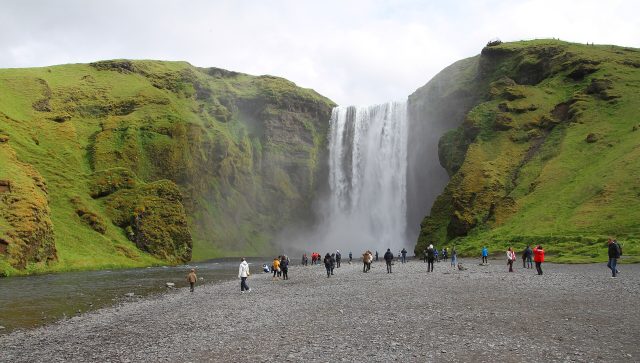
The Folk Museum in Skógar feels like a place where time has quietly settled into the landscape. Tucked beneath the towering Skógafoss waterfall, the village itself seems suspended between the past and the present, its green hills and the constant roar of falling water creating a sense of isolation from the modern world. This isn’t a museum in the usual sense—no glass cases or neatly labeled exhibits. Instead, it’s a collection of old houses, barns, and everyday objects that tell the story of Iceland as it was centuries ago, when the country was one of the poorest and most remote in Europe.
The museum began with a local schoolteacher, Þórður Tómasson, who in the mid-20th century started gathering tools, household items, and documents that were at risk of disappearing forever. As Icelanders moved to cities in growing numbers, abandoned farms and forgotten belongings were left behind. Þórður understood that these objects held the memory of how his ancestors had lived, and today his collection includes thousands of items, each one a piece of a larger puzzle that reveals the daily rhythms of rural Icelandic life.
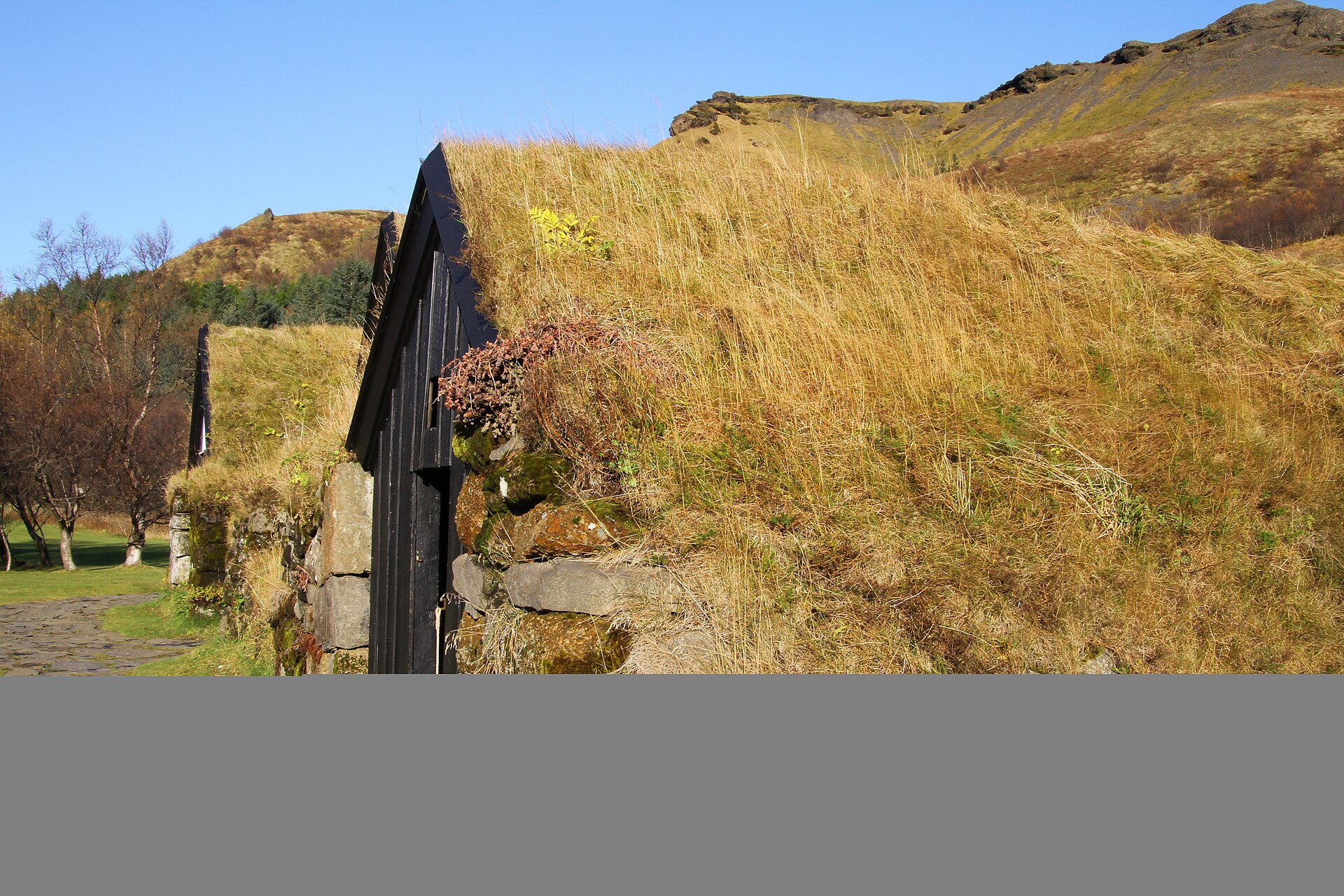
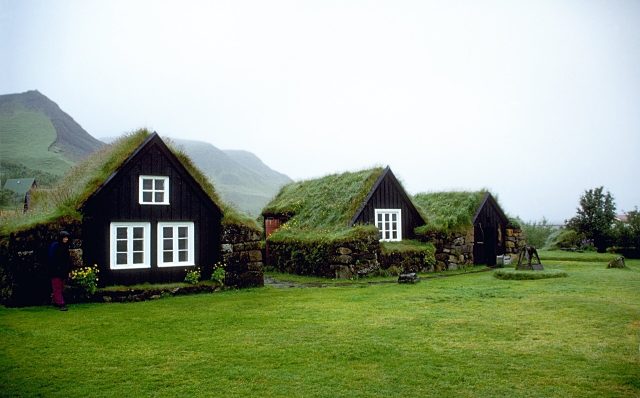
The museum is made up of several buildings relocated from different parts of the country. Among them is a 19th-century church, its simple wooden interior still intact, and a turf-roofed farmhouse with low ceilings and thick walls designed to withstand the harsh climate. There are workshops where tools were once made, their workbenches still scattered with the implements of old trades. Inside the houses, everything remains as it was when the last inhabitants left—dishes on shelves, clothes hanging on pegs, tools laid out as if someone had just stepped away. The old schoolhouse is particularly striking, with its worn desks, chalkboards, and yellowed maps of Iceland still pinned to the walls.
Life in Iceland was never easy. The climate was unforgiving, volcanic eruptions were a constant threat, and fertile land was scarce. The museum shows how people adapted to survive. Fishing, the backbone of Iceland’s economy for centuries, is well represented here—old boats, nets, hooks, and even dried fish, which was once a dietary staple. In one of the houses, you can see the tools used to process wool, from spinning wheels to looms. Icelandic wool was highly prized, and its production was a vital source of income for many families.
The museum also highlights the role of Icelandic horses, small but hardy animals that were essential to farm life. Saddles, harnesses, and old photographs show how these horses were used for everything from plowing fields to transporting goods. Icelanders have always held these animals in high regard, and they remain a symbol of the country’s heritage. Near the farmhouse, a small enclosure sometimes holds live horses, a living reminder of traditions that endure.
What makes the Skógar Folk Museum special is its ability to preserve not just objects, but the atmosphere of old Iceland. There’s no rush here, no crowds jostling for space. The narrow paths between the buildings invite slow exploration—peering through windows, running a hand along weathered wood, breathing in the scent of aged timber and dried herbs. On quiet days, when few visitors are around, it’s easy to imagine the lives of those who once called these houses home.
A visit on a rainy day is especially atmospheric. Low clouds drift over the hills, and the roar of Skógafoss grows louder, wrapping the village in a misty hush. The old houses feel even more intimate then, their interiors warm and inviting. You can almost picture winter evenings, when families gathered by the fire, telling stories and reading sagas by the light of oil lamps. Some of those sagas are on display in one of the houses, their pages yellowed with age, a reminder of how these ancient tales were once the main source of entertainment and knowledge.
The Folk Museum in Skógar isn’t just a place to learn about the past—it’s a place where the past feels alive. There’s no clear boundary between the exhibits and the visitors; everything here is part of the same story, told by the walls, the objects, and even the air itself. That’s why many people return, drawn back by the quiet charm of the place. Whether it’s to linger by an old spinning wheel, wander the paths between the houses, or simply stand by the waterfall and listen to its endless rush, the museum offers a chance to step into a world that, in many ways, still feels very much present.