Skógar is one of those rare places in Iceland where time seems to slow down, where the rush of modern life fades into the background. Tucked along the country’s southern coast, this small village feels far removed from the bustle of Reykjavík or the well-trodden tourist trails. Instead, the landscape here is raw and unfiltered—rolling green meadows, black sand beaches stretching into the distance, and low-hanging clouds that cling to the hills like mist. The sound of Skógafoss, the towering waterfall just beyond the village, fills the air long before you see it, a constant reminder of nature’s presence. In Skógar, the land isn’t just something you pass through; it shapes every moment, from the first sip of coffee in the morning to the quiet conversations around a campfire at night.
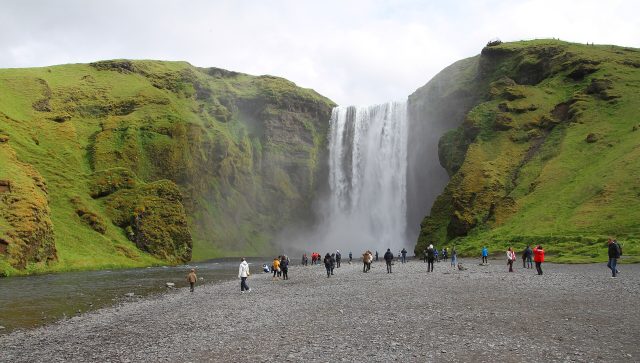
The Skógar campsite sits at the foot of the mountains, a short walk from Skógafoss, one of Iceland’s most powerful waterfalls. Sixty meters high, its sheer force sends water crashing down in a thunderous roar, shaking the ground beneath your feet. On sunny days, the mist creates rainbows that arch over the falls, while in the early morning or late evening, when the crowds thin, you can stand close enough to feel the spray on your face. The waterfall isn’t just a landmark here—it’s the heartbeat of the village, dictating the rhythm of life for those who stay at the campsite. In winter, when the edges of the falls freeze and the surrounding landscape is blanketed in snow, the scene transforms into something almost otherworldly, with the northern lights painting the sky in swirls of green and violet.
The campsite itself is simple but well thought out, with level pitches for tents and campervans, electricity for those traveling on wheels, and clean, well-maintained facilities. In summer, it’s a lively place, filled with travelers from all over the world—families, solo backpackers, and groups of friends sharing stories around picnic tables. Winter, though, is a different story. The campsite empties out, and those who brave the cold are rewarded with a quieter, more intimate experience of Iceland. The grass is covered in frost, the waterfall’s roar is muffled by the snow, and the long nights offer some of the clearest views of the aurora borealis.
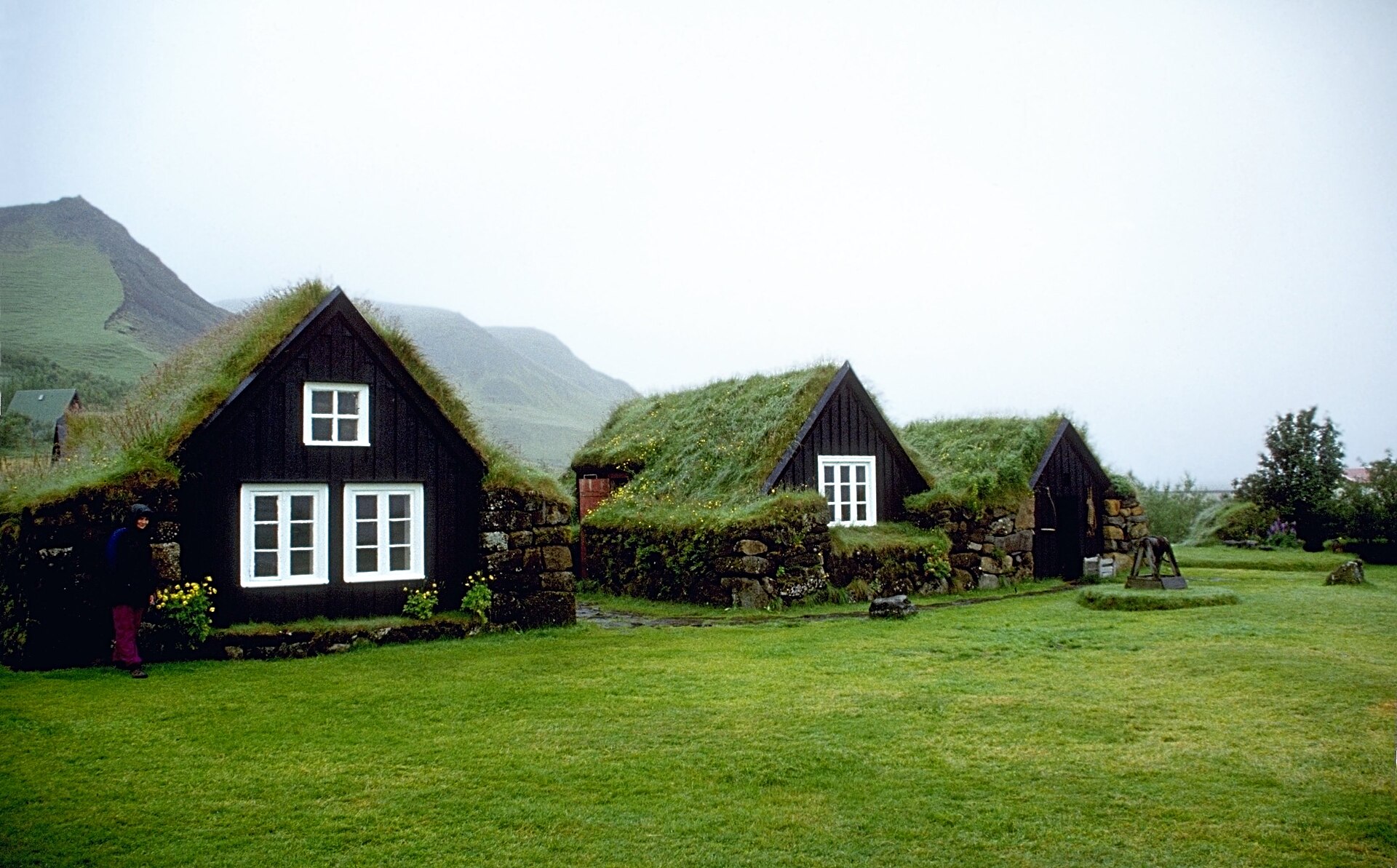
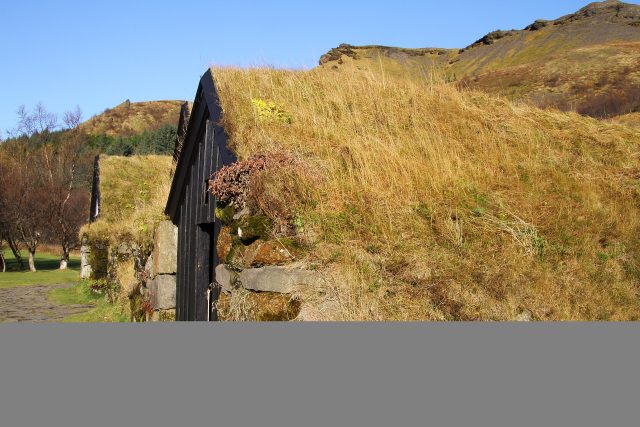
Skógar isn’t just about the waterfall. The village is a gateway to some of the region’s most striking landscapes. From here, you can walk along the coast, where the Atlantic Ocean crashes against black sand beaches, or hike into the mountains for sweeping views of glaciers and valleys. The area was once home to fishermen and farmers, and though modern roads have connected it to the rest of the country, there’s still a sense of the old Iceland here. The local museum, just a short walk from the campsite, offers a glimpse into the past, with exhibits on traditional life—fishing boats, tools, and photographs that tell the story of a community that once thrived in isolation.
Staying at Skógar campsite is less about luxury and more about immersion. There are no high-end hotels or multilingual menus, just the quiet hum of nature—the rush of the waterfall, the whistle of the wind, the occasional call of a seabird. In summer, the nearly endless daylight means you can hike or explore well into the night, watching as the sun barely dips below the horizon before rising again. Winter brings long, dark nights, but also the chance to see the northern lights in all their glory, their colors reflecting off the snow and ice. It’s a place where you can wake up at dawn and set out on a walk without encountering another soul, where the landscape feels vast and untouched.
For many travelers, Skógar isn’t just a stop along the southern coast—it’s a place they find themselves returning to. Maybe it’s the authenticity of it all: the raw power of the waterfall, the wind sweeping in from the ocean, the feel of the earth beneath your feet. There are no artificial attractions here, just the land and the people who come to experience it. The campsite often draws those traveling light—backpackers, cyclists, and adventurers who gather around shared fires, cook meals on portable stoves, and swap stories about the road ahead. It’s a place where connections are made over simple things, like the warmth of a cup of coffee or the shared awe of a sunset over the mountains.
If you come here, don’t rush. Stay for a few days, or even a week. Visit the waterfall not just in daylight, but at night, when its roar blends with the wind and the darkness makes the experience feel even more primal. Walk along the coast, where the waves crash against the rocks and glaciers loom in the distance. Stop by the museum to understand how people once lived in this harsh but beautiful land. And take the time to talk to the locals—they’ll tell you about the weather, which can shift in minutes, or how the roads become impassable in winter, or why Skógar is one of the most breathtaking places in Iceland.
There’s nothing superfluous here. Just earth, water, sky, and the people who come to step away from the noise of the world. Skógar campsite isn’t just a place to sleep—it’s a chance to experience Iceland as it has always been: wild, majestic, and just a little mysterious. Whether you’re here for the waterfalls, the northern lights, or simply the quiet, it’s a place that lingers in your memory long after you’ve left.