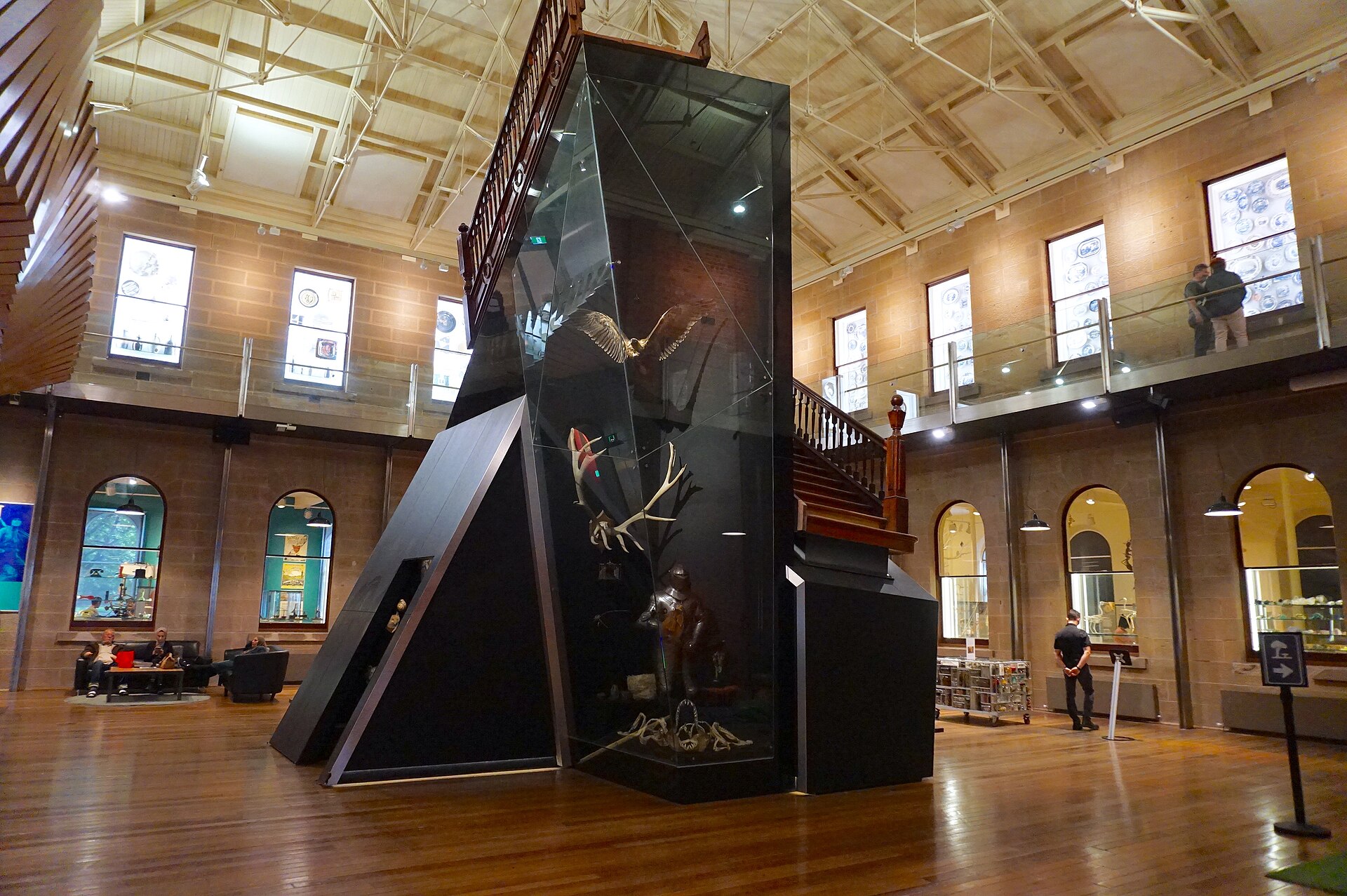
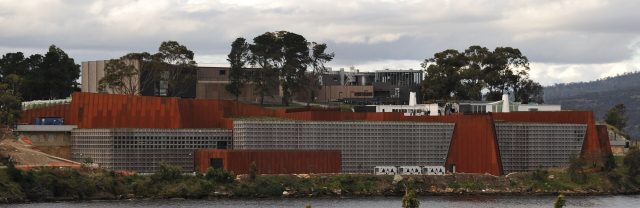
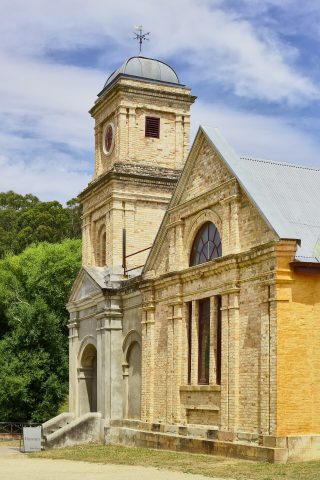
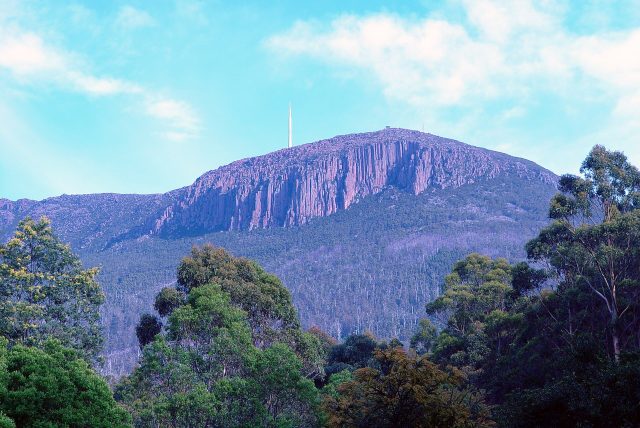
Tasmania’s Museum is one of those rare places in Hobart where people return not just to see objects, but to feel the weight of time. It doesn’t follow the usual museum script of glass cases and labels, where everything is frozen in place. Instead, the past here feels alive—the buildings themselves tell stories, and the exhibits, from ancient Aboriginal artifacts to colonial relics, weave together like pieces of a living puzzle. Each detail carries meaning, not just as a historical record, but as something that still resonates today.
The museum began in the mid-1800s as a modest collection of curiosities gathered by local enthusiasts. Back then, Tasmania was a remote and unforgiving place, a penal colony where convicts were sent and free settlers struggled to carve out a life on the edge of the known world. The early exhibits weren’t just oddities—they were attempts to document the island’s strange and unique nature. Over time, the collection grew, and today the museum occupies several historic buildings in Hobart’s center, each one a chapter in its own story.
The oldest of these is a former colonial warehouse, built in 1808. Its thick stone walls, low ceilings, and heavy timber beams still hold the echoes of its past life, when it stored wool, wine, and other goods bound for Britain. Now, it houses exhibits on Tasmania’s natural history, from the bones of extinct thylacines to the fossilized remains of ancient trees that once towered over the island. The displays on Aboriginal culture are particularly striking—stone tools, rock art, and everyday objects that offer a glimpse into life long before European arrival. These aren’t just artifacts; they’re fragments of a world that still exists in the land itself.
Another key building is the old customs house, constructed in the 1840s. Its architecture reflects the British influence of the time, with high ceilings, large windows, and a more formal design. Inside, the exhibits focus on Tasmania’s colonial era, tracing the lives of settlers, convicts, and the gold rush that briefly transformed the island. There are old maps, weapons, and pieces of furniture, but also personal items belonging to figures who shaped the colony’s early years. One of the most moving sections deals with the fate of Tasmania’s Aboriginal people—photographs, documents, and objects that bear witness to the devastating collision between two cultures.
The museum’s art collection, though smaller than those in major galleries, has its own quiet power. It features works by Tasmanian artists who captured the island’s rugged beauty over the centuries. Nineteenth-century oil paintings show wild landscapes—mountains, rivers, and dense forests that still define much of Tasmania. Contemporary artists continue this tradition, but their work often grapples with modern concerns: urbanization, environmental threats, and the challenge of balancing progress with preservation. The collection isn’t just about aesthetics; it’s about how people have seen and understood this place over time.
What makes the museum feel different is its sense of connection—not just to the past, but to the present. Temporary exhibitions often tackle current issues, from climate change to the protection of Tasmania’s unique wildlife. There are lectures, workshops, and discussions with scientists and researchers working to safeguard the island’s natural heritage. For many locals, the museum is more than a place to visit; it’s a gathering spot, a forum for ideas, and a reminder of what makes Tasmania distinct.
Walking through the museum is like moving through layers of time. One moment, you’re standing in front of the skeleton of a Tasmanian devil; the next, you’re examining a governor’s antique desk or listening to stories about how Aboriginal people used native plants for medicine. The exhibits don’t follow a strict chronological order—they overlap, just as history does. That’s why the museum doesn’t feel like a tourist attraction. It feels like a conversation, one that’s still unfolding.
Hobart is a city where history is never far away, but the Tasmania Museum gives it a voice. It doesn’t just display objects; it tries to explain why they matter, how they’re connected, and what they can tell us about who we are now. This isn’t a place for those who want a quick snapshot of Tasmania as a travel destination. It’s for anyone who wants to understand the island as part of a larger, ongoing story—one that’s still being written.