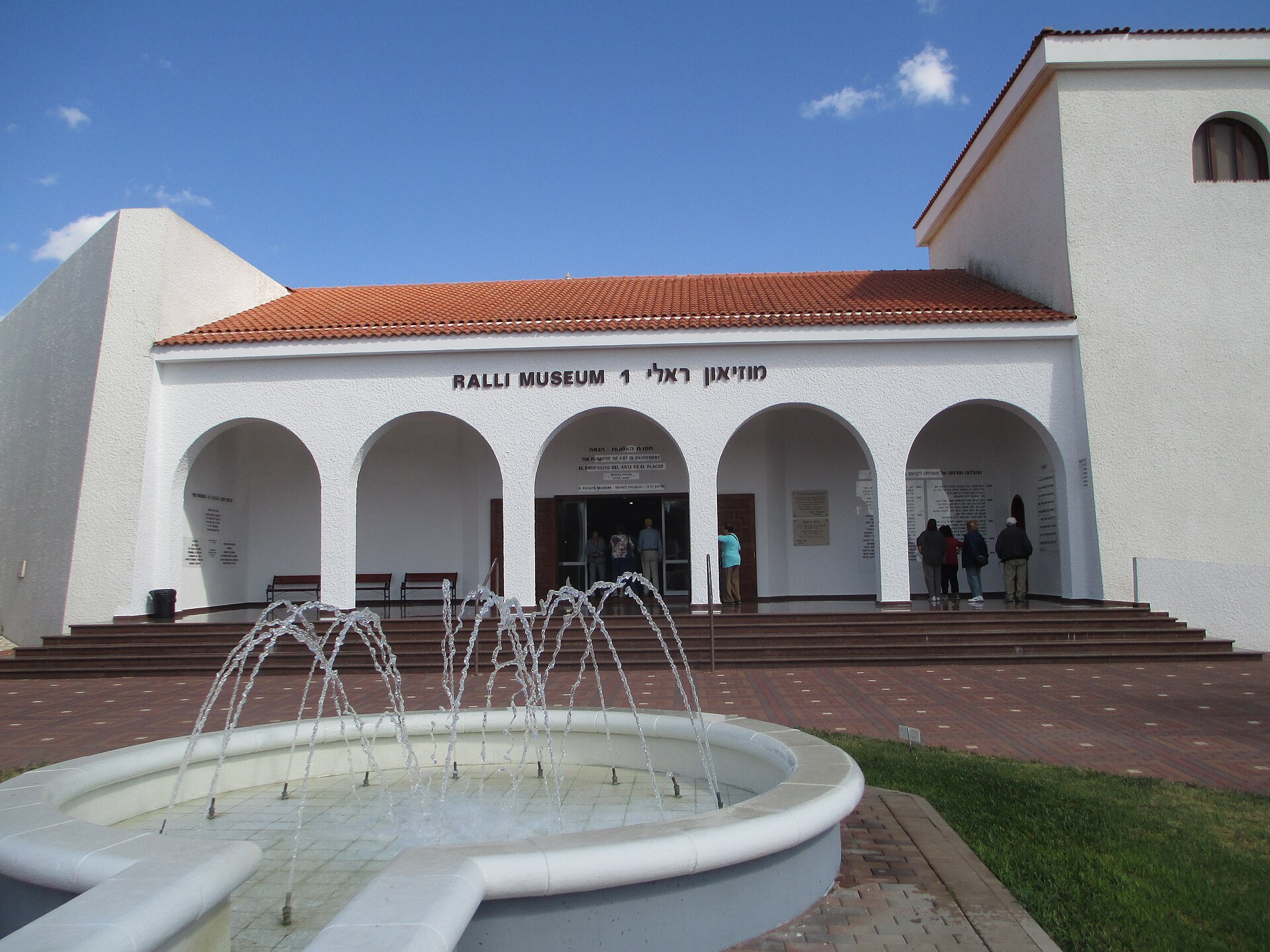
The Ralli Museum in Caesarea is one of those rare places where the experience matters more than the exhibits themselves. Tucked away in a quiet corner of this ancient city, it feels like a world apart. The buildings, with their whitewashed walls and terracotta roofs, resemble Mediterranean villas, blending seamlessly into the landscape of pine and cypress trees. There are no crowds here, no guided tours rushing you along, no audio guides buzzing in your ear. Instead, there’s a sense of stillness, the soft light filtering through tall windows, the feeling that art isn’t just something to observe but something to inhabit.
The museum was founded in the late 1980s by Harry Recanati, a philanthropist whose passion for art and Latin American history led him to create a space where European and Latin cultures could intersect. Recanati, whose family were Sephardic Jews who fled Spain for the Ottoman Empire before eventually settling in Argentina, wanted to preserve the story of Jewish life in the Spanish-speaking world. Caesarea, with its layers of history, became the perfect setting for his collection.
The museum’s galleries are organized thematically, each one offering a different perspective on this cultural narrative. The first hall focuses on European art from the 16th to the 19th centuries, featuring paintings, engravings, and sculptures that depict Jewish life in Spain and Portugal before and after the expulsion of 1492. Here, you’ll find portraits of rabbis, scenes from daily life in Jewish communities, and biblical stories reimagined through the eyes of artists. The cities of Toledo and Córdoba loom large in these works, their streets and synagogues serving as a reminder of a time when Jewish, Christian, and Muslim cultures coexisted, however uneasily.
The second hall shifts the focus to Latin America, showcasing works from the 19th and 20th centuries by artists like Diego Rivera and Raúl Soldi. These pieces capture the spirit of Jewish neighborhoods in Buenos Aires and Rio de Janeiro, as well as the agricultural colonies in Argentina where Eastern European Jews settled in the late 1800s. The art here is vibrant, often raw, reflecting the struggles and triumphs of communities carving out new lives in unfamiliar lands.
A separate gallery is dedicated to contemporary Israeli artists, many of whom explore themes of memory, identity, and displacement. Their work is diverse—abstract compositions, installations, photographs—some blending traditional motifs with modern materials, others grappling with the weight of the Holocaust or the complexities of nation-building. These pieces feel alive, as if the past is still unfolding in front of you.
The museum also hosts temporary exhibitions, which might feature retrospectives of Latin American masters or new projects by Israeli artists. There’s no rush here; the curators allow each piece the space it needs, letting visitors linger as long as they like. The building itself, with its inner courtyards, fountains, and arched galleries, evokes the architecture of old Arab homes. The white walls and red-tiled roofs create an airy, open atmosphere, while the garden—filled with olive trees, cacti, and flowering shrubs—offers a quiet place to reflect. From certain spots, you can even glimpse the Mediterranean Sea in the distance.
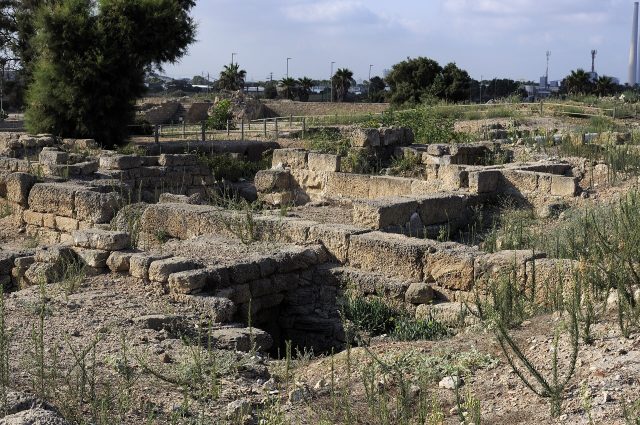
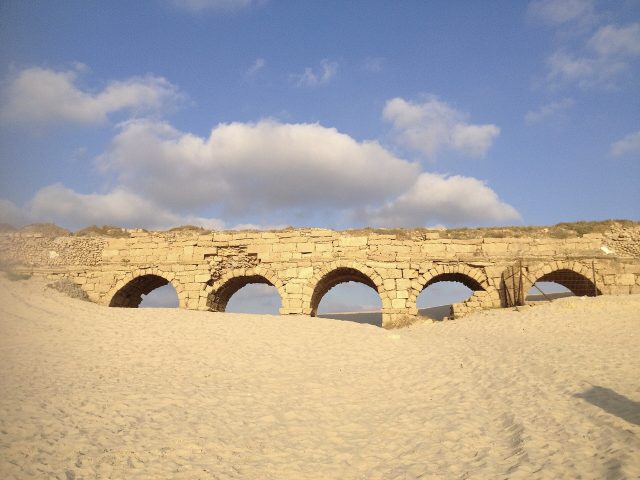
Caesarea, of course, is a city steeped in history. Founded in the 1st century BCE by King Herod the Great, it was once the largest port in the Roman Empire on the eastern Mediterranean. Today, its ruins—an amphitheater, an aqueduct, the remnants of palaces and an ancient harbor—stand as a testament to its former glory. The Ralli Museum sits in the modern part of the city, but the echoes of the past are never far away. Nearby, columns and mosaics from antiquity peek out from the landscape, a reminder of how deeply layered this place is.
Visiting the museum feels less like a tour and more like a journey through time. The art here serves as a bridge between continents and eras, connecting the stories of those who left Spain centuries ago with those who built new lives in Latin America, and eventually, in Israel. There are no strict rules—you can spend hours in front of a single painting or wander through the galleries at your own pace. Some visitors come for the art, others for the quiet, but everyone leaves with the sense that they’ve stepped into a space where history isn’t just remembered; it’s felt.