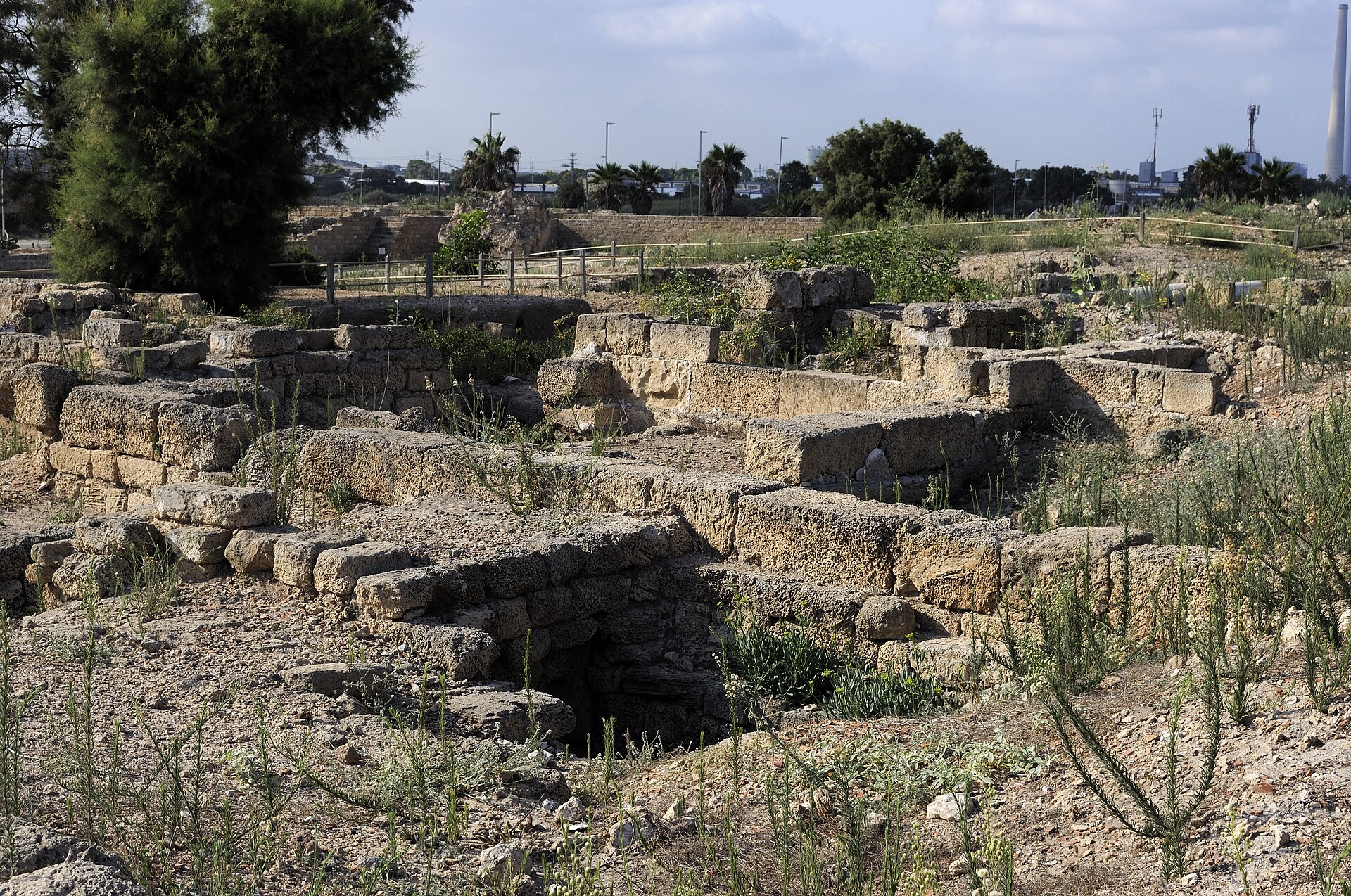
Caesarea is one of those rare places where history isn’t just preserved in stone—it lingers in the air, carried by the salt breeze and the murmur of the sea. Perched along Israel’s Mediterranean coast, this ancient city was first established in the 3rd century BCE, but its golden age came later, when Herod the Great transformed it into a grand Roman port. Today, Caesarea National Park is an open-air museum where the past and present coexist, where crumbling ruins stand beside quiet beaches, and where the rhythm of the waves seems to echo the footsteps of those who walked here centuries ago.
Walking through the park, you can’t help but notice how seamlessly different eras blend together. The massive amphitheater, built by Herod, still hosts audiences—though now they come for concerts and plays rather than gladiator battles. Its weathered stone steps bear the marks of time, a silent witness to the crowds that once gathered here for public spectacles. Nearby, the remains of Herod’s palace jut out over the sea, offering a view that must have impressed even the most jaded Roman dignitaries. It’s easy to imagine the clink of goblets, the murmur of political debates, and the distant roar of the waves below.
One of Caesarea’s most striking features is its ancient harbor, once considered an engineering marvel. Herod constructed it using Roman techniques, including hydraulic concrete that hardened underwater. Though little remains of the original docks and breakwaters, their outlines are still visible, hinting at the bustling trade that once flowed through here. Ships from Rome, Egypt, and Greece would have arrived laden with spices, wine, and textiles, while merchants exchanged not just goods but stories and ideas. The harbor was the heart of the city, a place where cultures collided and fortunes were made.
The Middle Ages left their own mark on Caesarea in the form of Crusader fortifications. Built atop the ruins of older structures, these walls and gates tell a different story—one of conquest and faith. The citadel, in particular, offers a sweeping view of the coastline, its Gothic arches and vaulted halls once home to the Knights Hospitaller. Nearby, the remnants of a medieval church serve as a reminder that Caesarea was a key stop for pilgrims traveling to the Holy Land. The Crusaders saw the city as a strategic stronghold, but they also repurposed its stones, leaving behind a layered history that’s still visible today.
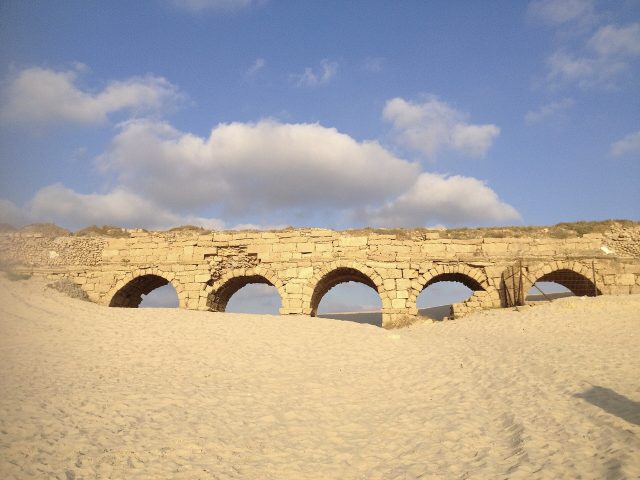
Beneath the surface, Caesarea’s ingenuity is even more apparent. The city’s water supply relied on an intricate system of aqueducts, some of which still stretch along the coast. These ancient channels, built to carry fresh water from distant springs, are a testament to the engineering skills of the past. Though they no longer serve their original purpose, they remain a striking feature of the landscape, especially at sunset, when the light softens the rough edges of the stone.
Modern life in the park is just as compelling as its history. Archaeological excavations are ongoing, and visitors might catch a glimpse of researchers carefully uncovering artifacts from the earth. The open-air museum displays some of these finds—coins, pottery, and sculptures—offering a tangible connection to the past. Among the most notable discoveries is a stone slab bearing the name of Pontius Pilate, one of the few surviving references to the man who played a pivotal role in biblical history.
But Caesarea isn’t just about ruins. The park’s natural beauty is just as captivating. The beaches here are quiet and pristine, with fine golden sand and clear, warm water. Rocky outcrops along the shore provide a perfect spot for fishing or simply watching the sunset. The park is lush with greenery—palm trees, olive groves, and flowering shrubs create shaded nooks where visitors can relax. Unlike some of Israel’s more crowded coastal destinations, Caesarea retains a sense of tranquility, even in the height of summer.
As evening falls, the park takes on a different character. The ruins, bathed in soft lighting, become almost magical, their shadows stretching across the sand. The amphitheater occasionally hosts concerts, where the strains of classical music drift over the ancient stones, blending with the sound of the waves. If you’re lucky, you might stumble upon a festival or an open-air performance, adding another layer to the city’s long tradition of public gatherings.
Caesarea National Park is more than just a collection of ruins—it’s a place where history feels alive. Here, you can walk in the footsteps of Roman soldiers, merchants, and pilgrims, or simply sit by the sea and let the wind carry the voices of the past. It’s not just a visit; it’s a journey through time, one that leaves you with the sense of having touched something enduring.