
Caesarea
Israel · 8 places
Photo: דורית למברוזו, CC BY-SA 3.0
Caesarea is one of those rare places where the past doesn’t just linger in museums or history books—it breathes through the very ground beneath your feet. Tucked along Israel’s Mediterranean coast between Tel Aviv and Haifa, the city feels suspended in time, a quiet blend of crumbling grandeur and modern ease. There’s no rush here, no relentless hum of traffic or crowded streets. Instead, the rhythm is set by the sea, the warm breeze carrying the scent of salt and wild herbs, and the sense that every step you take is shared with those who walked this same shore centuries ago.
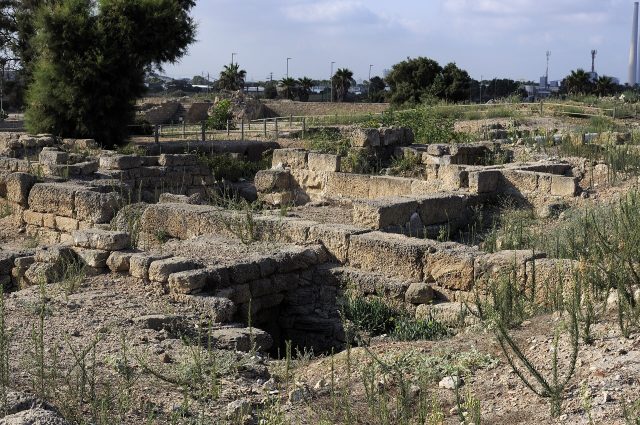
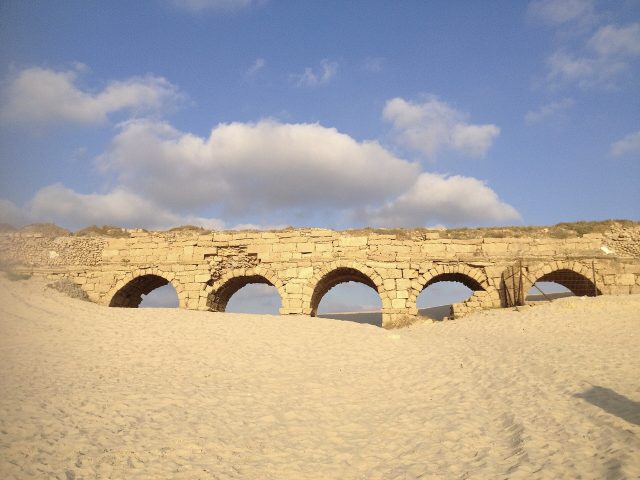
Founded in the 1st century BCE by King Herod the Great, Caesarea was named in honor of the Roman emperor Augustus. Herod, a ruler known for his ambitious building projects, transformed the city into one of the most important ports in the eastern Mediterranean. He constructed an amphitheater, a hippodrome, aqueducts, and an artificial harbor—an engineering marvel of its time. Today, the ruins of these structures are the city’s main draw. The Roman theater, still in use for open-air concerts and festivals, is particularly striking. Sitting on its ancient stone steps, it’s easy to imagine the voices of actors echoing across the stage two thousand years ago, the sea murmuring just beyond.
The Middle Ages left their own mark on Caesarea. By the 12th century, the city had become a key stronghold for the Crusaders, who fortified it with walls and towers. The remains of their fortress still loom over the coastline, a reminder of the time when Caesarea was a Christian outpost in the Holy Land. After the Crusaders fell, the city faded into obscurity, only to reemerge in the 19th century with Arab and later Jewish settlements. Now, Caesarea is both an archaeological park and a modern residential area, where manicured villas and golf courses coexist with ancient stones.
Life here moves at the pace of the tides. There are no bustling markets or crowded alleys, just quiet promenades where the sunset paints the sky in soft hues and small cafés serving grilled fish and local wine. The beaches are some of the cleanest in Israel, with fine golden sand and gentle waves, perfect for families or anyone looking to unwind. Divers are drawn to the underwater ruins—remnants of shipwrecks and submerged ports that tell their own silent stories.
Caesarea doesn’t try to impress. It simply exists, a place where past and present stand side by side without conflict. You can spend the morning wandering through ruins, listening to tales of emperors and knights, then head to a seaside restaurant for dinner as the last light fades over the water. Or you might just sit on the shore, watching the waves roll in, and wonder how many others have stood in this same spot, breathing the same salt-tinged air over the centuries. There’s no need for spectacle here. The city’s charm lies in its quiet persistence, in the way it holds time like an old, well-worn book—one you can open to any page and lose yourself in.
See & Do
All of them
Places on the map
Marker colour follows the categoryClimate and weather
Detailed weather: Caesarea- Average temperature
- 21 °C
- Precipitation per year
- 0 mm
Average air temperature
°C
14
14
16
19
22
25
28
28
27
24
20
16
Jan
Feb
Mar
Apr
May
Jun
Jul
Aug
Sep
Oct
Nov
Dec


