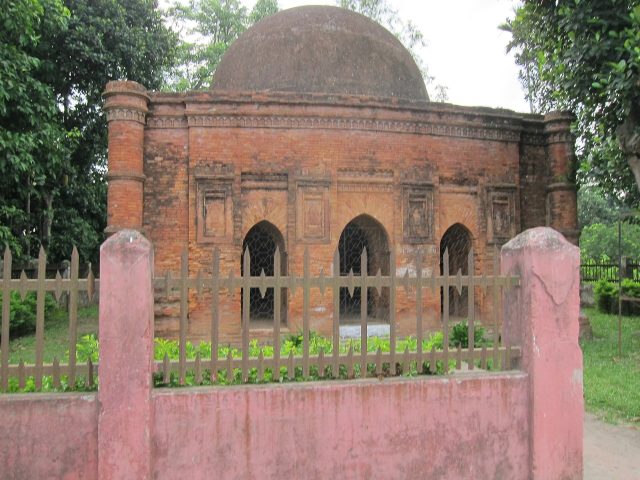
Sonargaon feels like a place where time has settled into a slower rhythm. Once the capital of Bengal’s medieval sultans, this small town has managed to hold onto its quiet charm amid the rush of modern Bangladesh. The Folk Art and Crafts Museum sits at its heart, not as a static display of artifacts, but as a living workshop where traditions are still practiced, passed down, and preserved. The buildings themselves tell a story—low-slung structures with terracotta roofs, shaded courtyards, and narrow lanes that wind past open-air studios. It’s easy to imagine this place centuries ago, when it was a bustling center of trade and craftsmanship, its streets filled with the sounds of looms, hammers, and bargaining voices.
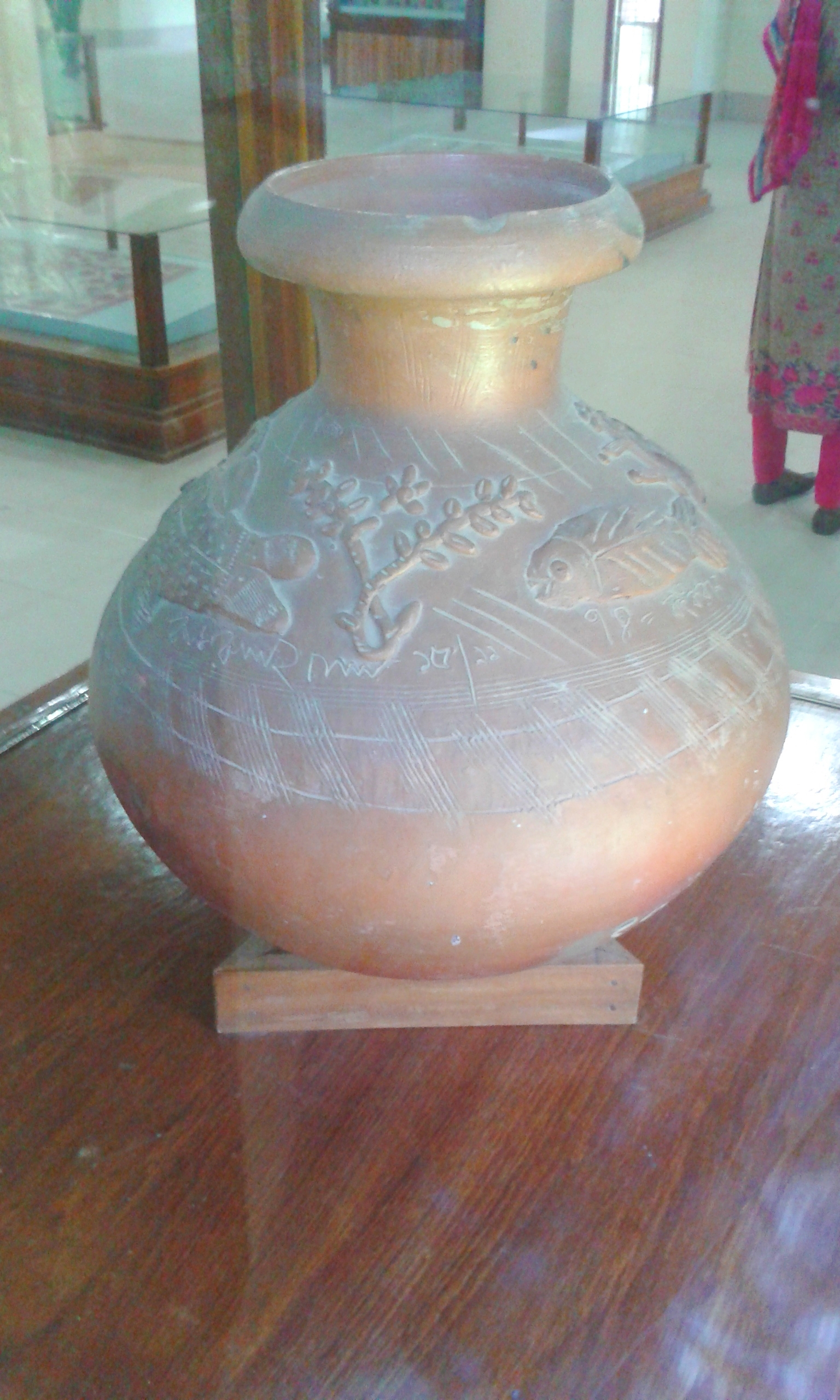
The museum’s collection is a testament to the skill and creativity of Bengali artisans. Here, you’ll find everyday objects that have shaped life in this region for generations: intricately woven textiles, handcrafted jewelry, tools of ancient trades, and pottery adorned with delicate patterns. The fabrics are particularly striking—Bengal was once famous for its muslin, a cloth so fine it could pass through a ring, and its jute, which was exported across the world. Nearby, wooden panels carved with floral motifs hint at the craftsmanship that once decorated the homes of nobility. These aren’t just relics behind glass; many are still made in the same way, using techniques that have barely changed over the centuries.
The architecture of the museum grounds reflects the traditional Bengali style, with its emphasis on open spaces and natural ventilation. Wide verandas wrap around the buildings, supported by wooden columns carved with geometric designs. The red-tiled roofs cast long shadows in the afternoon sun, while inner courtyards offer respite from the heat beneath the shade of old trees. Some walls are adorned with colorful glass mosaics or painted patterns, adding a touch of vibrancy to the earthy tones of the structures. It’s a style that feels both practical and elegant, designed for a climate where the air is thick with humidity and the sun beats down relentlessly.
What makes this place different from a typical museum is the way it blends exhibition with active craftsmanship. Workshops are scattered throughout the grounds, where artisans demonstrate their trades in real time. Weavers operate wooden looms, their hands moving with practiced ease as threads intertwine. Potters shape clay on spinning wheels, their fingers pressing patterns into wet surfaces. Metalworkers hammer out brass and copper into delicate ornaments, their tools striking in rhythmic precision. Visitors are often invited to try their hand at these crafts, though the skill required is humbling—what looks simple in the hands of a master becomes a tangled mess under an amateur’s touch.
Sonargaon’s museum isn’t just about preserving the past; it’s about keeping traditions alive in a country that’s rapidly modernizing. Bangladesh is a place of contrasts—where gleaming high-rises rise beside centuries-old villages, and where ancient crafts compete with mass-produced goods. Here, though, the focus is on continuity. Many of the artisans come from families who have practiced the same trades for generations, their knowledge handed down through apprenticeships rather than textbooks. The museum serves as both a showcase and a sanctuary, ensuring that these skills don’t disappear in the face of changing times.
A visit here is less about ticking off a tourist attraction and more about stepping into a different pace of life. There’s no rush, no crowds jostling for the best photo spot—just the steady hum of activity as craftsmen work and visitors wander at their own speed. The air carries the scent of damp clay, fresh wood shavings, and the faint tang of metal. It’s a place where you can sit on a low wooden bench in a shaded courtyard, watching a weaver at work, and feel the weight of history in the simplest of objects. For anyone curious about the roots of Bengali culture, this is where it feels most tangible.
Getting to Sonargaon is straightforward—it’s about two hours from Dhaka by car or bus, a journey that takes you from the capital’s chaotic energy into the quieter rhythms of rural Bangladesh. The town itself is small, and the museum is its focal point, easy to find once you arrive. The best time to visit is in the morning, when the light is soft and the day’s work is just beginning. The artisans are often more talkative then, willing to share stories about their craft or the history of the place. If you’re lucky, one might even offer you a cup of sweet, milky tea as they explain the finer points of their trade.
This isn’t a place to breeze through in an hour. To really appreciate it, you need to linger—wander the lanes, peer into workshops, and maybe even buy something directly from the person who made it. The small shops on the grounds sell everything from rough-hewn clay pots to finely embroidered textiles, each piece unique. There’s no pressure to buy, but if you do, you’re not just taking home a souvenir; you’re supporting a tradition that might otherwise fade away. The prices are usually fair, negotiated with a smile rather than a sales pitch.
What makes Sonargaon’s museum special is its lack of pretense. There are no velvet ropes or "do not touch" signs, just the quiet understanding that these crafts are meant to be used, admired, and passed on. It’s a reminder that culture isn’t something frozen in time—it’s alive, evolving, and deeply human. For those who want to see Bangladesh beyond its mosques and monuments, this is where the country’s soul feels most present: in the hands of its artisans, the stories of its people, and the everyday beauty of things made with care.