Sonargaon’s Folklore Park is where Bangladesh reveals itself in its most unguarded, traditional form. A short distance from Dhaka, in the historic district of Sonargaon, the park feels like a step back in time—an era when life moved at a slower pace, and craftsmanship was woven into the fabric of daily existence. There are no city crowds here, just quiet lanes lined with wooden houses, their shutters carved with intricate patterns, and workshops where artisans still work using methods passed down through generations.
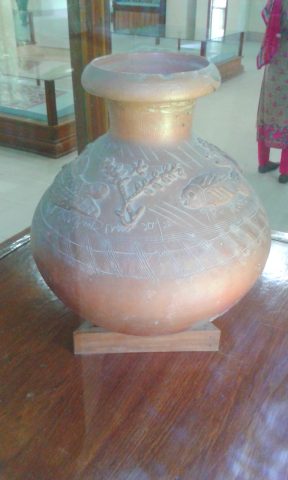
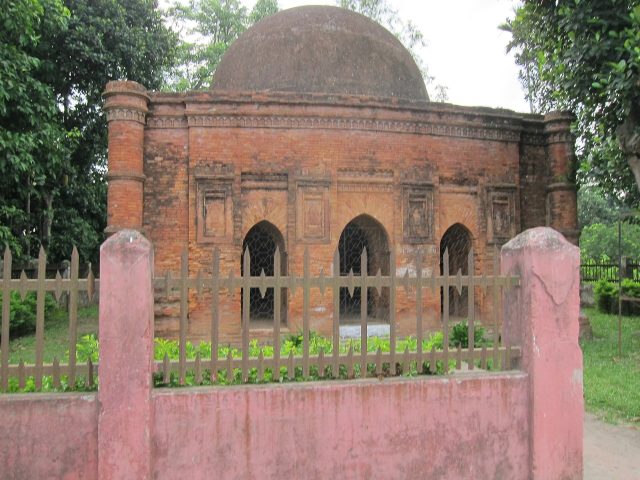
Sonargaon itself has long been a place of significance. During the medieval period, it served as the capital of Bengal’s sultans, later becoming a key trading hub on the route between Dhaka and Chittagong. The folklore park emerged as an effort to preserve and showcase this bygone era, when the region was renowned for its weavers, potters, and goldsmiths. Today, it isn’t just an open-air museum but a living exhibition where visitors can watch the creation of Dhaka muslin, the painting of clay pots, or the weaving of bamboo baskets—crafts that once defined the area’s identity.
The park’s architecture recreates the essence of a traditional Bengali village. Houses are built from wood, clay, and thatch, their sloping roofs designed to withstand the heavy monsoon rains. Many of these structures double as workshops, where local artisans not only demonstrate their skills but live by them, passing techniques from one generation to the next. Visitors are welcome to step inside, chat with the craftspeople, and even try their hand at a craft under patient guidance.
Music holds a special place in the park’s offerings. A collection of folk instruments—like the ek tara, dhol, and baul dotara—is on display, their sounds echoing through the lanes. Occasionally, musicians gather for small performances or workshops, sharing the history behind their instruments and teaching simple melodies. For many, this is a rare chance to engage with Bengal’s rich musical heritage, one that has shaped the region’s cultural identity for centuries.
Beyond crafts and music, the park brings to life the everyday rhythms of old Bengal. Traditional kitchens with clay stoves, wells with hand-operated pulleys, and tiny shops selling spices and sweets all contribute to an atmosphere that feels timeless. The early mornings are particularly evocative, when artisans begin their work and the air is filled with the scent of fresh tea and sawdust. It’s easy to imagine the lives of people who once called this place home, their routines shaped by the land and its seasons.
The park isn’t just a tourist attraction; it’s a cultural hub for Bangladeshis themselves. Festivals celebrating folk arts, craft fairs, and educational programs for schoolchildren are regularly held here. For many from Dhaka and the surrounding areas, it’s a place to reconnect with their roots, to remember—or discover—how their ancestors lived. In this way, the park serves a deeper purpose, preserving cultural memory in a world that often moves too quickly to hold onto it.
A visit here is a slow, immersive experience. There are no flashy attractions or staged performances, just the quiet authenticity of a way of life that has endured. Walking through the park’s lanes, watching artisans at work, and listening to their stories offers a glimpse of Bangladesh that most travelers never see. For those who want to understand the country beyond the usual tourist spots, Sonargaon’s Folklore Park is a rare and rewarding discovery.